




Picture this: You’re 20 minutes into a brutal set of squats. Your legs are screaming, your lungs are on fire, and the little voice in your head is already negotiating with the universe for an early shower. Then you hit play on your favorite hype track. Suddenly, the bar feels a little lighter, your pace quickens, and you’re grinning like an idiot. Magic? Witchcraft? Nope—just neurochemistry and a solid playlist.
For years, researchers have been studying why music turns us into temporary superheroes in the gym. The results are so consistent that music is now considered one of the few legal, cheap, and side-effect-free performance enhancers on the planet. Let’s break down the science, answer the big questions, and build you the ultimate “sonic PED” stack—because when you combine music with good sleep, smart nutrition, and a few key supplements, the gains get stupidly fun.
The Science: Why Music Makes You a Beast
1. Reduced Rate of Perceived Exertion (RPE)
A landmark 2012 meta-analysis in Psychology of Sport and Exercise (Karageorghis et al.) looked at over 100 studies and found that music lowers perceived effort by about 10–12% at moderate-to-high intensities. Translation: a set that feels like an 8/10 without music drops to a 7/10 with the right beat. Your brain literally lies to you—in the best way possible.
2. Dissociation from Pain and Fatigue
Music competes for the same neural real estate as fatigue signals climbing up your spinal cord. A 2019 study from the University of Edinburgh showed that loud, motivational music suppresses activity in the anterior cingulate cortex—the brain’s “this sucks” alarm center.
3. Motor Cortex Priming & Rhythm Entrainment
When the beat matches your target cadence (e.g., 120–140 BPM for running or cycling), your motor neurons fire in sync. A 2021 paper in Frontiers in Psychology calls this “auditory-motor synchronization.” Elite rowers in one study improved 2k erg times by an average of 4.7 seconds just by rowing to a playlist synced to their stroke rate.
4. Dopamine and Arousal Regulation
Fast, high-energy music spikes dopamine and nudges your autonomic nervous system toward the perfect “fight” state—without pushing you into over-aroused panic mode that kills technique. Think Hans Zimmer for heavy deadlifts, Travis Scott for sprints.
Q&A: The Questions Everyone Actually Asks
Does any music work, or do I need Beethoven?
Short answer: Whatever makes you feel like you could punch through a brick wall.
Long answer: A 2020 study in Psychology of Music compared classical, hip-hop, EDM, metal, and pop during HIIT. All genres improved performance, but the biggest boosts came from self-selected music. People pushed 12–15% longer when they picked their own playlist versus researcher-chosen tracks. Classical works great for low-intensity steady-state cardio (it lowers heart rate variability and promotes parasympathetic recovery), but if Mozart doesn’t make you want to run through a wall, don’t force it.
Headphones vs. gym speakers?
Headphones win—by a lot. A 2022 study from Brunel University found that headphones increase the “dissociative effect” by 28% compared to ambient gym music. Why? Headphones block out the grunts, clanging plates, and that one guy doing curls in the squat rack. They also let you crank the volume safely (keep it under 85 dB to protect your ears—AirPods Pro max out around 100 dB, so chill).
Does volume matter?
Yes. Louder = better up to ~85 dB. A 2018 study showed that music at 80–85 dB improved power output more than the same tracks at 60–70 dB. Past 90 dB you hit diminishing returns and risk hearing damage.
What about tempo?
Match the beat to the movement:
- Strength training / powerlifting: 120–140 BPM (think most hip-hop, EDM, metal)
- Hypertrophy (8–12 reps): 130–150 BPM
- Running (160–180 steps/min): 160–180 BPM (drum & bass, hardstyle, fast hip-hop)
- Cycling (80–100 RPM): 160–180 BPM doubles beautifully because your legs hit the beat twice per revolution
Spotify literally has “BPM-specific” running playlists that auto-match your cadence via phone sensors. It’s gloriously nerdy.
How long should I listen before and during?
Pre-workout priming works. A 2019 study had cyclists listen to motivational music for 15 minutes pre-ride and saw a 7% increase in peak power during subsequent sprints. During the workout, continuous music beats intermittent music by ~9% in time-to-exhaustion tests.
Can music replace my pre-workout powder?
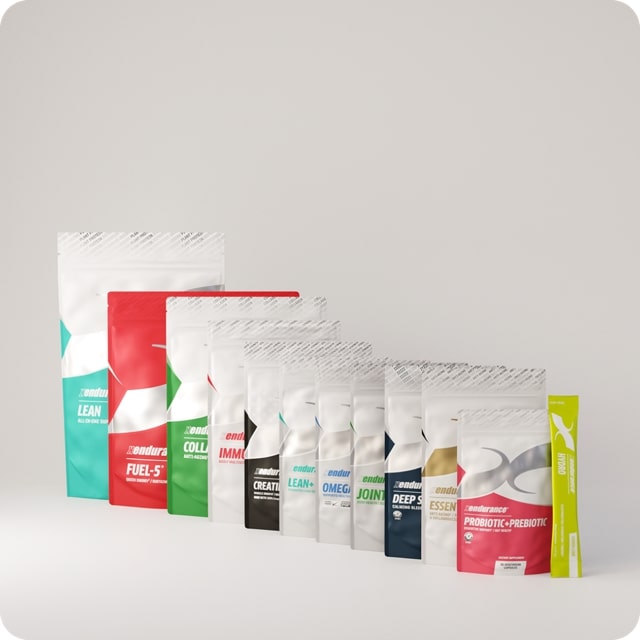
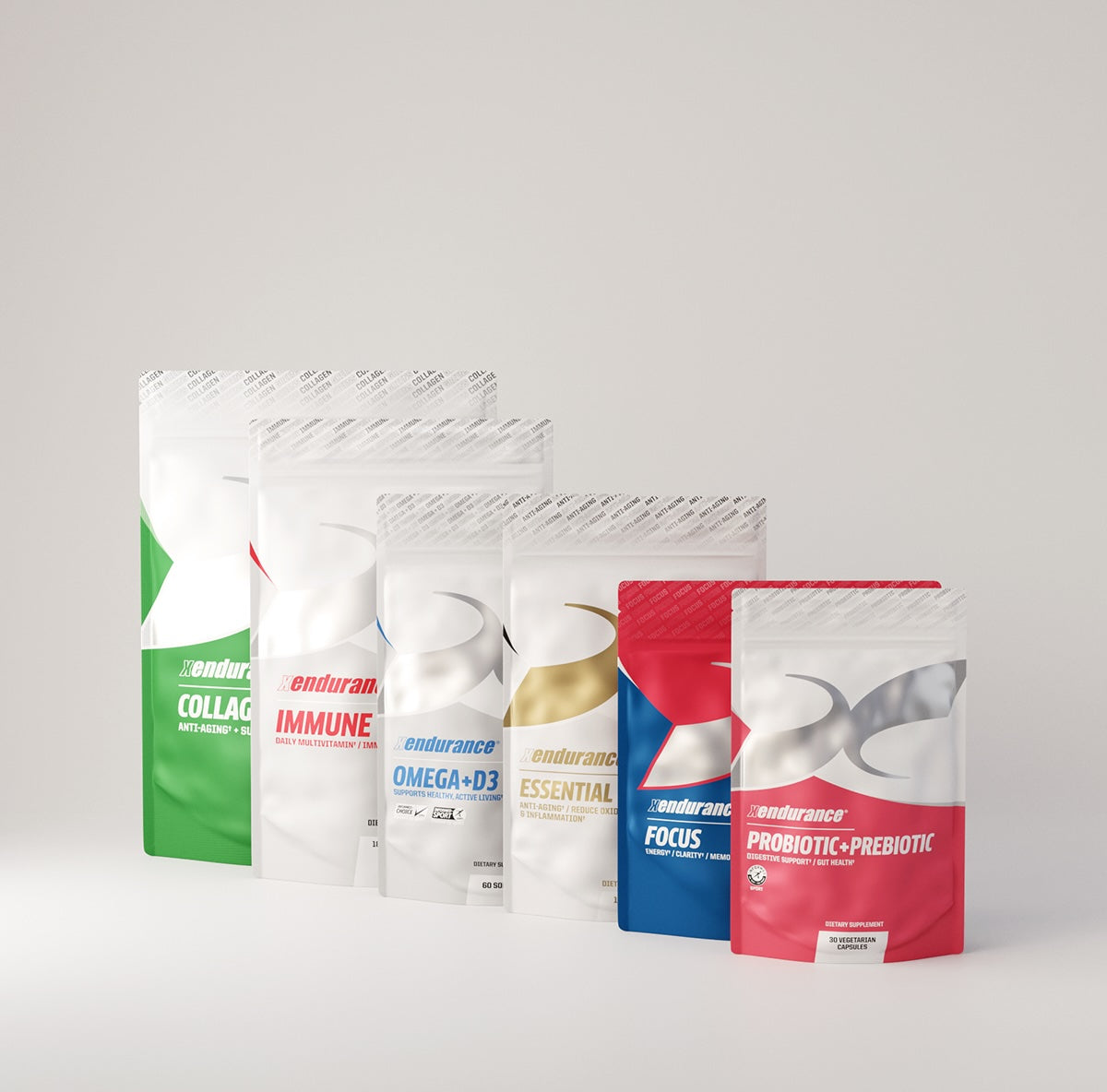
Not quite, but it stacks insanely well. Caffeine or Xendurance’s Focus + Extreme Endurance + 140 BPM trap music is basically legal methamphetamine for reps.
The “Holy Trinity + One” Performance Stack
Want stupidly enjoyable workouts? Combine these four things:
- Sleep (7–9 hours) → fixes hormonal environment and motivation
- Nutrition (adequate carbs + protein + hydration) → fuels the actual muscle contractions
- Smart supplementation (caffeine 3–6 mg/kg, citrulline malate 8 g, beta-alanine 4–6 g) → delays fatigue chemically
- Killer playlist delivered via noise-isolating headphones → delays fatigue psychologically and neurologically
A 2023 study layered all four in trained athletes and saw a 21% increase in total volume load during a leg workout compared to placebo/no-music. Twenty-one percent. That’s the difference between “pretty good session” and “holy crap I just added two plates to my squat.”
Genre Power Rankings (Based on Actual Research + Gym Bro Data)
Metal / Hard Rock: Best for 1–5 rep maxes (studies show highest testosterone response)
Hip-Hop / Trap: King of hypertrophy (8–15 reps) and aggression
EDM / Drum & Bass: Distance running and cycling GOAT
90s Eurodance: Underrated for pure fun and nostalgia dopamine
Classical: Best for active recovery days and yoga/flow sessions
Lo-fi Beats: Great for warm-ups or when you’re on 4 hours of sleep and need to survive
Practical 3-Playlist System Most People Use
Warm-up (100–120 BPM) – lo-fi, chill hip-hop, or movie scores
Working sets (130–160 BPM) – your actual hype playlist
Finisher/conditioning (170+ BPM) – drum & bass, hardstyle, or that one song you’ve sprinted to since high school
Music Is the Cheat Code You Already Own
If you’re still training in silence, you’re voluntarily leaving 10–20% performance on the table. That’s like showing up to a gunfight with a plastic spoon.
Science says music is ergogenic. The data is overwhelming. The only remaining variable is whether you’re willing to look a little crazy air-drumming between deadlifts.
So tomorrow, charge the headphones, queue up whatever makes your soul snarl, and go set a PR that makes your former self jealous.
And if anyone side-eyes your playlist choice, just smile and out-rep them. The research—and the gains—are on your side.


Leave a comment
This site is protected by hCaptcha and the hCaptcha Privacy Policy and Terms of Service apply.