




An older runner recently asked a simple but revealing question during a conversation about supplements: What’s the difference between the minerals in one product versus another? The discussion quickly turned to chelated minerals. Most people have never heard the term, even though they take multivitamins or mineral supplements regularly. That gap in knowledge is costly—literally and nutritionally.
Chelated minerals represent one of the clearest quality differences in the supplement aisle. Understanding them helps you stop wasting money on forms your body barely absorbs and start choosing products that actually deliver.
What Exactly Is a Chelated Mineral?
The word “chelate” comes from the Greek chele, meaning claw. In nutrition, a chelated mineral is a mineral atom chemically bound (or “clawed”) to an organic molecule—most commonly an amino acid such as glycine, methionine, or aspartic acid, or sometimes an organic acid. This creates a stable complex that protects the mineral as it travels through the digestive tract.
Non-chelated (or inorganic) forms appear on labels as oxides, sulfates, carbonates, or chlorides—for example, magnesium oxide, zinc sulfate, or calcium carbonate. These are the inexpensive bulk minerals used in many mass-market multivitamins. In the gut they can interact with phytates from plants, fiber, other minerals, or even stomach acid levels, forming insoluble compounds that pass through largely unabsorbed.
Chelated forms behave differently. Because the mineral is already attached to an amino acid, the body can often absorb it through the same pathways it uses for amino acids and peptides. The “claw” structure also reduces unwanted interactions with other food components. The result is higher bioavailability—the percentage of the nutrient that actually reaches the bloodstream and tissues.
Why Chelated Minerals Are Higher Quality
Bioavailability is the core issue. A supplement can list high milligram amounts on the label, but if most of it is excreted, the real dose is far lower. Studies comparing forms illustrate the difference:
Zinc citrate and zinc gluconate (organic/chelated-style forms) showed roughly 11% higher absorption than zinc oxide in adults.
Magnesium glycerophosphate raised blood magnesium levels more effectively than magnesium oxide.
Iron bisglycinate (a true amino-acid chelate) raised iron status in infants at doses far lower than ferrous sulfate, demonstrating that a well-absorbed form can achieve similar results with less total mineral.
Not every study shows dramatic superiority for every mineral in every population—absorption is complex and depends on individual digestive health, diet, and the specific chelate used. Still, the overall pattern favors properly chelated minerals for consistency, especially when stomach acid is lower (common with aging) or when the diet contains absorption inhibitors.
Chelated minerals are also generally gentler on the digestive system. Inorganic forms, particularly iron and magnesium oxides or sulfates, frequently cause stomach upset, constipation, or loose stools. Amino-acid chelates tend to cause fewer of these complaints because they do not rely as heavily on high stomach acid for dissociation and because a larger portion is absorbed rather than remaining in the gut lumen.
The Price Difference and Why It Exists
Chelated minerals cost significantly more to manufacture. Creating a true molecular chelate requires precise ratios, controlled conditions, and often patented processes. Simply mixing a mineral salt with an amino acid does not produce a stable chelate; the chemical bond must form. That complexity raises the raw-material cost, which is reflected in the finished product.
Non-chelated oxides and sulfates are commodity ingredients—cheap, widely available, and easy to tablet or encapsulate in high amounts. Many budget multivitamins rely on them so they can claim high percentages of the Daily Value at a low retail price.
Consumers see large numbers on the label and assume more is better. In reality, much of that “more” may never leave the digestive tract.
Paying more for a chelated form is often more economical once absorption is considered. If a chelated magnesium delivers two to four times the usable mineral of an oxide form, the effective cost per absorbed milligram can actually favor the higher-quality ingredient. Brands that use chelated minerals signal a deliberate choice to prioritize results over the lowest possible price.
Key Benefits of Choosing Chelated Minerals
Higher absorption translates into more reliable nutrient status. Minerals are cofactors in hundreds of enzymatic reactions. Zinc supports immune cell function and wound healing. Magnesium is required for muscle relaxation, energy production (ATP), and hundreds of other processes. Iron carries oxygen. Selenium and copper participate in antioxidant defense. When these minerals are chronically under-absorbed, subtle deficits accumulate—fatigue, slower recovery, weaker immunity, poorer sleep quality, or declining bone density.
For athletes and active people, the stakes are higher. Training increases mineral losses through sweat and elevates demand for repair and immune resilience. Runners, in particular, often restrict calories or follow plant-heavy diets that raise phytate intake, further challenging mineral absorption. Chelated forms help close that gap more efficiently.
Older adults benefit disproportionately. Stomach acid production declines with age, reducing the body’s ability to liberate minerals from inorganic salts. Chelated minerals that rely less on acid for absorption become especially valuable. The same logic applies to anyone with digestive disorders, low stomach acid, or who takes acid-reducing medications.
Chelated minerals can also allow lower total doses to achieve the same blood or tissue levels, reducing the risk of gastrointestinal side effects and potential interactions with other nutrients.
Why You Should Buy Supplements That Use Chelated Minerals
Label literacy is the practical takeaway. When you examine a multivitamin or mineral product, look past the total milligrams and read the form. Preferred names include:
- Magnesium glycinate, bisglycinate, or glycinate chelate
- Zinc glycinate, monomethionine, or picolinate
- Iron bisglycinate
- Calcium bisglycinate or citrate (organic forms)
- Chromium picolinate or nicotinate
- Selenium as selenomethionine
Avoid relying solely on oxide, sulfate, or carbonate forms if absorption and tolerability matter to you.
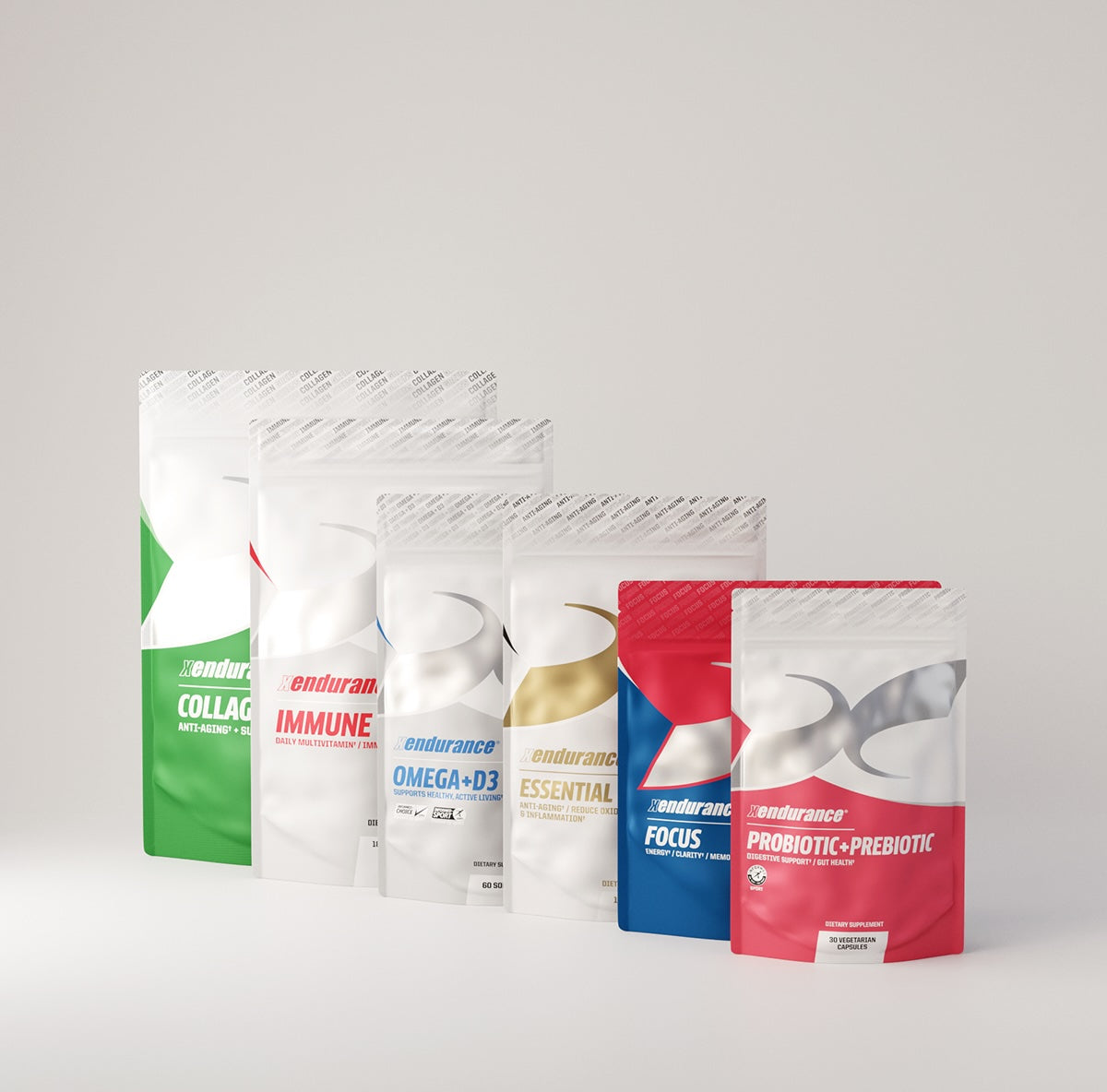
This principle is built into Xendurance Immune Boost, the company’s comprehensive multivitamin and immune-support formula. Immune Boost supplies a full spectrum of vitamins, minerals, antioxidants, and phytonutrients designed for daily foundational nutrition. The product deliberately incorporates chelated minerals because the company prioritizes bioavailability. As the product information explains, chelated minerals are bound to compounds such as amino acids or organic acids so the body can more effectively “smuggle” them into the system. These forms cost more, yet Xendurance uses them because the goal is usable nutrition, not impressive label claims that under-deliver.
Immune Boost pairs those better-absorbed minerals with research-supported doses of vitamins, carotenoids (lutein and zeaxanthin for eye health), and a suite of antioxidants and phytonutrients including acai, broccoli sprout extract, and curcumin, further supported by BioPerine® to enhance overall uptake.
The formula is intended to nourish cells, support immune function, help manage oxidative stress from training and daily life, and provide steady nutritional support for bones, tissues, and healthy aging. It is Informed Sport certified, manufactured in the United States, and formulated for both men and women who want more than a basic multivitamin.
For an endurance athlete, masters runner, or anyone concerned about nutrient density in modern food, a product that invests in chelated minerals addresses a real physiological bottleneck. Soil mineral content has declined over decades of intensive agriculture. Busy lives and training loads increase requirements. Choosing forms the body can actually use is a practical response.
Additional Points Worth Knowing About Chelation
True chelation is not the same as simply listing an amino acid next to a mineral on a label. Reputable manufacturers use validated chelation technology and often specify the form clearly. Third-party testing and transparent labeling help confirm quality.
Chelated minerals are not magic. They work best as part of an overall approach that includes a nutrient-dense diet, adequate protein, and attention to factors that impair absorption (excess alcohol, high-phytate meals without variety, certain medications).
They are also not necessary for every single mineral in every person; some inorganic forms perform adequately when stomach acid and diet are favorable. Still, when you are selecting a daily multivitamin or targeted mineral product, the presence of well-chosen chelated forms is a reliable marker of higher formulation standards.
Science continues to refine our understanding. Animal and human data consistently show advantages for many amino-acid chelates in bioavailability and tolerability, even if the magnitude varies by mineral and study design. The practical consensus among formulators focused on results is clear: when absorption matters, chelation is worth the investment.
Choose Chelated. Absorb More. Waste Less.
Most people do not know what a chelated mineral is because the supplement industry has long rewarded cheap ingredients and large label claims. That is changing as consumers become more sophisticated. A chelated mineral is simply a mineral that has been bound to an organic molecule so the body can absorb and use it more efficiently. The result is better nutrient delivery, fewer digestive complaints, and greater value for the money spent.
When an older runner—or any active adult—asks about the difference between supplements, the answer often begins with the forms of the minerals themselves.
Products such as Xendurance's Immune Boost illustrate the higher standard: chelated minerals chosen for bioavailability, combined with complementary vitamins, antioxidants, and phytonutrients, all aimed at real physiological support rather than marketing theater.
Next time you pick up a multivitamin or mineral formula, turn the bottle over and read the forms. If you see chelated, glycinate, bisglycinate, or similar designations, you are looking at a product formulated with absorption in mind. That knowledge alone puts you ahead of most people—and closer to the results you actually want from your supplements.



Leave a comment
This site is protected by hCaptcha and the hCaptcha Privacy Policy and Terms of Service apply.