




Picture this: You push your cart through the brightly lit aisles of a bustling grocery store, the air filled with the faint hum of refrigerators and the occasional beep of a scanner at checkout. Rows upon rows of colorful packages beckon—crispy chips in shiny bags promising bold flavors, ready-to-eat meals in microwaveable trays that boast convenience for your busy life, and sugary cereals with cartoon characters grinning from the shelves. It's a scene repeated in supermarkets across America every day, where the sheer abundance makes it easy to fill your basket without a second thought. But hidden among these temptations are ultra-processed foods, the silent saboteurs of our health.
In 2026, with fresh dietary guidelines shining a spotlight on their dangers, it's time we all learn to navigate these aisles with a keener eye.
Ultra-processed foods, often abbreviated as UPFs, aren't just any packaged items. They're the products that have been engineered in factories with a cocktail of additives, preservatives, and artificial ingredients to make them hyper-palatable, shelf-stable, and addictive. Think sodas laden with high-fructose corn syrup, frozen pizzas with emulsifiers and flavor enhancers, or snack bars packed with hydrogenated oils and synthetic sweeteners.
According to the Nova classification system, which categorizes foods based on processing levels, UPFs are formulations of ingredients, mostly of exclusive industrial use, that result from a series of industrial processes. They're not the minimally processed canned beans or frozen vegetables that retain their natural integrity; instead, they're the ones where you can't recognize the original food source just by looking at the label.
Spotting these culprits starts with a simple habit: flipping the package to read the ingredients list. If it reads like a chemistry experiment—words like monosodium glutamate (MSG), artificial colors (e.g., Red 40 - which should be disappearing), or hydrogenated fats—chances are it's ultra-processed. Look for lists longer than your grocery receipt; the more ingredients, especially those you can't pronounce or find in your kitchen pantry, the more processed it likely is.
Another red flag? Health claims on the front that scream "low-fat" or "fortified with vitamins," which often mask underlying junk.
In 2026, the updated Dietary Guidelines for Americans emphasize limiting these highly processed options, noting that they make up over 50% of the average U.S. diet. Why? Because they're designed to override our natural satiety signals, leading us to overeat without feeling full.
But why bother ditching them at all? The science is stacking up, and it's compelling. Recent studies, including those published in leading journals like The Lancet, link high UPF consumption to a laundry list of health woes. For starters, they're associated with increased risks of obesity, as their high calorie density and low fiber content make portion control a battle. Heart disease creeps in, too, thanks to the trans fats and excessive sodium that inflate blood pressure and cholesterol levels.
Type 2 diabetes is another big one; the refined sugars spike blood glucose, wearing down insulin response over time. Even mental health takes a hit—research from 2025 showed correlations between UPF-heavy diets and higher rates of depression and anxiety, possibly due to gut microbiome disruptions from additives. And let's not forget cancer: The World Health Organization has flagged certain preservatives and processing methods as potential carcinogens.
In a year like 2026, where longevity and preventive health are buzzing topics amid rising healthcare costs, swapping out UPFs isn't just a trend—it's a smart investment in your future self.
Transitioning away from ultra-processed foods doesn't have to feel like a deprivation diet. It's about reclaiming control and rediscovering the joy of real eating. Start small by auditing your kitchen: Go through your pantry and fridge, identifying the UPF offenders. That box of instant noodles? The fruit-flavored yogurt with added sugars? Time to say goodbye, or at least phase them out. Replace them gradually to avoid overwhelm. For instance, if breakfast is usually a sugary granola bar, try overnight oats made with whole rolled oats, fresh berries, and a dollop of nut butter. The key is building habits that stick, like meal prepping on weekends to have wholesome options ready during the week.
One of the biggest hurdles? Managing that nagging sweet tooth or those mid-afternoon hunger pangs that drive us back to vending machines. Ultra-processed foods excel at hijacking our cravings with their perfect balance of sugar, salt, and fat—what scientists call the "bliss point." To taper down, focus on nutrient-dense alternatives that satisfy without the crash. For sweetness, reach for nature's candy: fresh fruits like apples, bananas, or a handful of berries. Pair them with a source of healthy fat or protein to stabilize blood sugar—think apple slices with almond butter or Greek yogurt topped with strawberries. This combo curbs the urge for processed sweets by providing fiber that slows digestion and keeps you fuller longer.
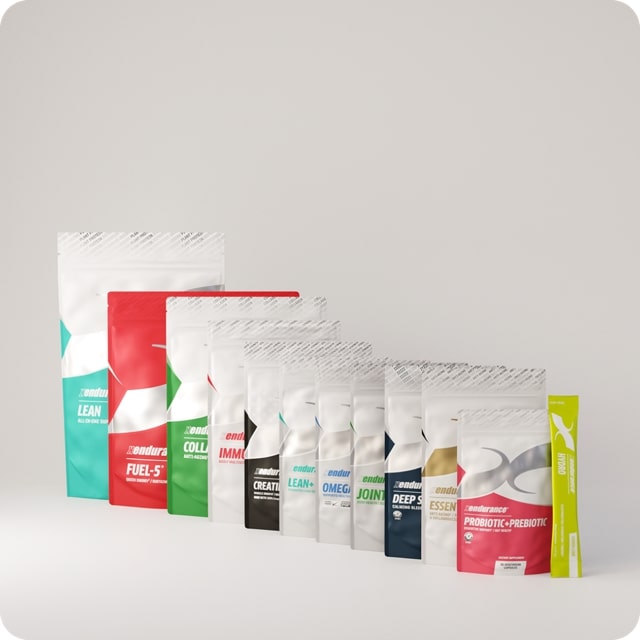
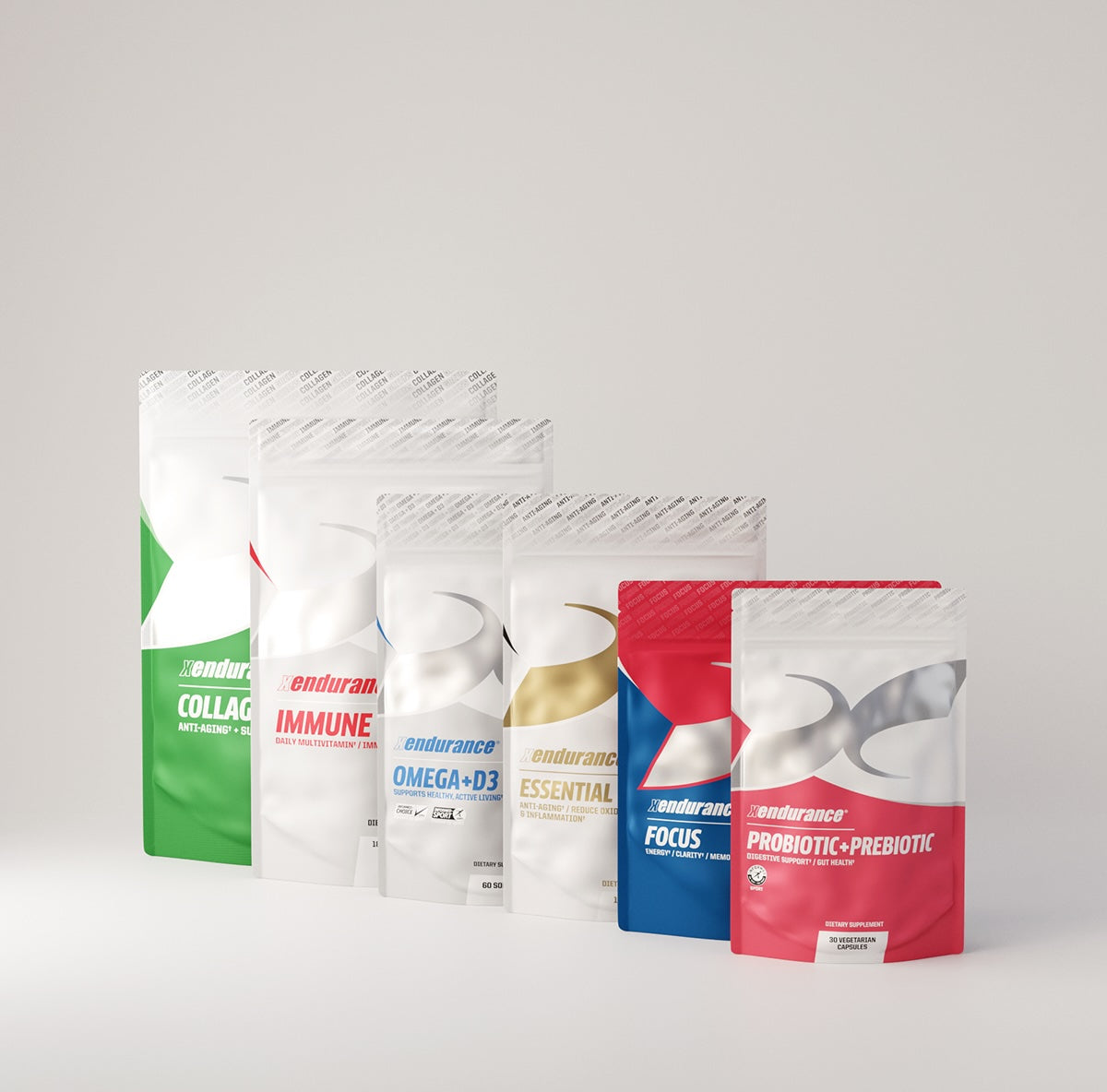
When hunger strikes, protein is your best ally. Whole food sources like eggs, nuts, seeds, and lean meats provide sustained energy without the empty calories. For a convenient boost, consider high-quality protein powders that align with clean eating principles. Xendurance Protein, for example, stands out as a supergrade blend featuring four types of protein, including over 70% whey hydrolysate for rapid absorption and recovery. It's free from artificial sweeteners and packed with BCAAs, making it ideal for athletes or anyone active. Mix it into smoothies with spinach, banana, and a splash of almond milk for a hunger-busting snack that tames cravings while supporting muscle repair—perfect for those tapering off UPFs in 2026's fitness-focused landscape.
Beyond proteins, stock up on veggies and whole grains to fill the void. Crunchy carrots or cucumber sticks with hummus offer that satisfying texture without the additives. For grains, opt for quinoa, brown rice, or farro over refined breads; they're hearty and versatile, helping regulate appetite through their fiber content. Healthy fats from avocados, olive oil, or fatty fish like salmon also play a role in satiety, signaling to your brain that you're nourished. Experiment with herbs and spices—cinnamon on oatmeal for sweetness, or chili flakes for a kick—to make these swaps exciting rather than bland.
Grocery shopping itself becomes an adventure once you shift your focus. Stick to the perimeter of the store, where fresh produce, dairy, and meats reside, and venture into the inner aisles only for staples like spices or canned goods without added junk. Apps and tools in 2026 make this easier; many now scan barcodes to reveal processing levels or suggest alternatives. Meal planning apps can generate UPF-free recipes based on your preferences, turning "what's for dinner?" into an opportunity for creativity.
Of course, social situations can test your resolve—office parties with donuts or family gatherings with chips. Prepare by bringing your own contributions, like a veggie platter or homemade trail mix with nuts, seeds, and dark chocolate pieces (at least 70% cocoa to minimize processing). Over time, your taste buds adapt; what once seemed irresistible starts tasting overly sweet or artificial. Studies show it takes about two weeks for palates to reset, so patience is key.
For families, involving everyone makes the transition smoother. Kids might resist at first, but framing it as a fun challenge— like "build your own salad bar" nights—can win them over. Emphasize benefits they'll notice: more energy for play, better focus at school.
In 2026, with schools incorporating nutrition education tied to the new guidelines, this aligns perfectly with broader societal shifts.
Hydration often gets overlooked, but it is crucial for ditching UPFs. Thirst can masquerade as hunger, leading to unnecessary snacking. Aim for water infused with lemon or cucumber slices instead of sugary drinks. Herbal teas provide flavor without calories, helping wean off sodas.
As you progress, track how you feel. Many report clearer skin, steady energy levels, and even weight loss without strict calorie counting. The environmental angle adds motivation too—UPFs contribute to waste through excessive packaging, so going whole reduces your footprint.
In wrapping up, remember that perfection isn't the goal; progress is. In 2026, with science and policy backing this movement, ditching ultra-processed foods empowers you to thrive. By spotting them wisely and reaching for nourishing alternatives, you're not just eating better—you're living better.



Leave a comment
This site is protected by hCaptcha and the hCaptcha Privacy Policy and Terms of Service apply.