



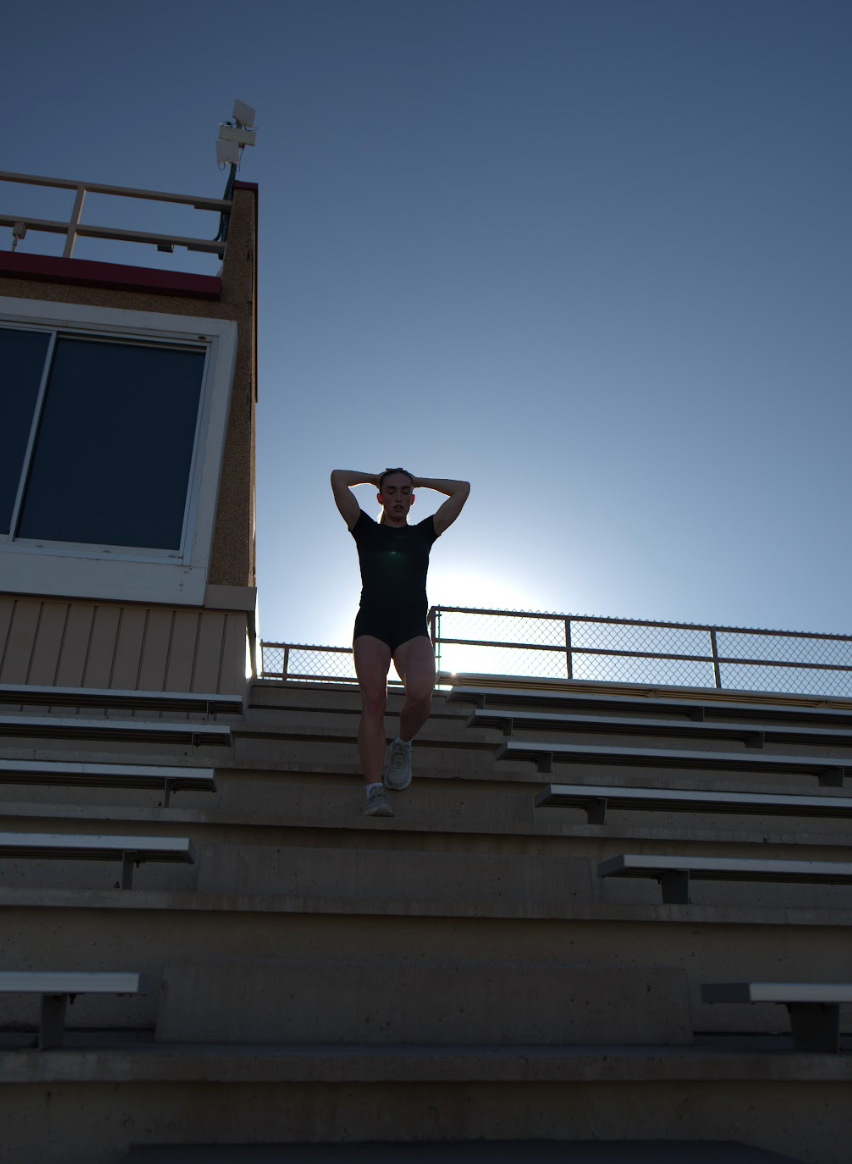
Overtraining isn't just "being tired from the gym." It's a serious imbalance where training stress outpaces recovery, leading to stalled progress, injury risk, and even long-term health issues. Many athletes and fitness enthusiasts push through thinking "more is better," only to hit a wall.
Overtraining Syndrome (OTS) sits at the severe end of a spectrum that includes functional overreaching (short-term fatigue with supercompensation after rest) and non-functional overreaching (longer recovery needed). True OTS can take weeks to months — or even years — to recover fully.
The Science Behind Overtraining
Intense training without adequate recovery disrupts the autonomic nervous system, hormones (like elevated cortisol and suppressed testosterone), immune function, and muscle repair processes. Studies show that OTS involves systemic inflammation, reduced glycogen stores, and altered mood-regulating neurotransmitters.
Research from the European College of Sport Science and American College of Sports Medicine highlights that OTS isn't just physical — it's a complex maladaptation affecting performance, psychology, and immunity. Elite runners face it at rates up to two-thirds in their careers.
19 Signs You're Overtraining
1. Persistent Fatigue Despite Rest
You wake up exhausted even after "easy" days or full nights of sleep. Science links this to impaired autonomic recovery and chronic cortisol elevation.
Fix: Track sleep with a wearable (e.g., Oura or Whoop). Prioritize 7–9 hours nightly and take a full rest day immediately.
2. Declining Performance or Plateau
Lifts feel heavier, runs slower, or you can't hit previous PRs despite consistent training. This is the hallmark of OTS.
Fix: Log workouts objectively. If performance drops 5–10% for over a week, implement a deload.
3. Elevated Resting Heart Rate
A 5–10+ bpm increase in morning heart rate signals incomplete recovery.
Fix: Measure resting HR daily before getting out of bed. If elevated, reduce volume by 50% for 3–7 days.
4. Prolonged Muscle Soreness or Stiffness
Normal DOMS fades in 48–72 hours. Overtraining soreness lingers or worsens.
Fix: Incorporate active recovery like walking, swimming, or yoga. Use foam rolling and ensure protein intake hits 1.6–2.2g/kg bodyweight.
5. Sleep Disturbances
Trouble falling asleep, staying asleep, or waking unrefreshed despite fatigue.
Fix: Establish a wind-down routine (no screens 1 hour before bed). Consider magnesium supplementation (consult a doctor).
6. Mood Changes — Irritability, Anxiety, or Depression
Short temper, lack of motivation, or feeling flat. Overtraining affects brain chemistry similar to chronic stress.
Fix: Practice mindfulness or journaling. Talk to a coach, therapist, or trusted friend. Short walks in nature help.
7. Frequent Illnesses or Slow Healing
Colds, infections, or nagging injuries that won't resolve. Immune suppression is well-documented in overtrained athletes.
Fix: Boost immunity with vitamin D, zinc, and a nutrient-dense diet. Reduce training intensity until sickness frequency drops.
8. Loss of Motivation or Enthusiasm
Workouts you once loved feel like chores. You dread the gym or skip sessions.
Fix: Reconnect with "why" — revisit goals or try a new activity temporarily. Sometimes a training partner helps.
9. Unexpected Weight Loss or Gain
Loss of appetite leading to weight drop, or stress-related gain from cortisol.
Fix: Eat in a slight surplus during recovery phases. Track macros to ensure you're fueling adequately.
10. Heavy Legs or Increased Perceived Exertion
Everything feels harder than it should — "heavy" muscles even on easy days.
Fix: Cut intensity. Focus on technique and lower volume for 1–2 weeks.
11. Recurrent Injuries
Stress fractures, tendonitis, or joint pain keep returning.
Fix: See a sports medicine professional. Address biomechanics and incorporate strength training for weak areas.
12. Hormonal Imbalances
In women: irregular periods. In men: low libido or energy. Both: disrupted sleep and recovery hormones.
Fix: Get bloodwork (cortisol, testosterone, thyroid). Prioritize sleep and stress management over training.
13. Increased Sweating or Overheating
Excessive sweating during normal sessions.
Fix: Stay hydrated and monitor the environment. Use it as a cue to ease off.
14. Poor Coordination or Motor Control
Clumsiness or declining technique.
Fix: Include mobility and balance work. Reduce load to rebuild neuromuscular efficiency.
15. Inability to Relax
Constant wired-but-tired feeling.
Fix: Try parasympathetic activities like deep breathing, meditation, or gentle yoga.
16. Loss of Appetite
Especially after hard sessions when you should be hungry.
Fix: Use liquid nutrition (shakes) if solid food feels unappealing. Eat smaller, more frequent meals.
17. Elevated Blood Pressure
Paired with higher resting HR in some cases.
Fix: Monitor at home. Reduce caffeine and prioritize recovery.
18. Lack of "Refreshed" Feeling After Rest Days
Rest days don't restore you anymore.
Fix: Extend recovery periods. A full week off may be needed.
19. Burnout and Joyless Training
Exercise no longer brings satisfaction or endorphins.
Fix: Take a mental break. Rebuild with fun activities before returning to structured training.
Real Stories: What Overtraining Feels Like
Olympic swimmer Simone Manuel was diagnosed with OTS before Tokyo 2020. She experienced extreme fatigue, irritability, and loss of appetite. Her story highlights how even elite athletes are dismissed until symptoms become severe.
Ultra-runner Geoff Roes described months of mysterious symptoms before accepting overtraining as the cause. Recovery took nearly a year of patience.
These stories show that early intervention prevents lost seasons.
How to Fix Overtraining: A Step-by-Step Recovery Plan
- Stop and Assess (1–3 Days): Complete rest or very light activity. Get bloodwork if symptoms are severe.
- Deload or Active Recovery (1–4 Weeks): Reduce volume/intensity by 40–60%. Focus on mobility, walking, and technique.
- Rebuild Nutrition and Sleep: Caloric surplus with balanced macros. Prioritize protein and carbs. Aim for consistent sleep.
- Gradual Return: Increase load by no more than 10% per week. Monitor HRV or resting HR.
-
Long-Term Prevention:
- Schedule deload weeks every 4–8 weeks
- Use periodization (build, peak, recover).
- Track total life stress (work, relationships).
- Incorporate variety and fun.
Full recovery can take weeks to months, depending on severity.
Prevention Tips for Sustainable Progress
- Monitor readiness: Use apps or journals for sleep, energy, and soreness.
- Balance training with life stress.
- Include strength training, mobility, and easy days.
- Work with a coach for personalized programming.
- Listen to your body over ego.
FAQ: Overtraining Questions Answered
How long does it take to recover from overtraining?
Mild cases: 1–4 weeks. Severe OTS: months. Patience is key.
Can you still train while recovering?
Light active recovery, yes; intense training, no.
Is overtraining the same as burnout?
Burnout has stronger psychological components, but they overlap.
Do beginners get overtraining?
Yes — rapid volume increases without base building is common.
Train Smarter: Your Path to Sustainable Progress
Recognizing these 19 signs early can save your progress and health. Training hard is great, but smart recovery is what builds long-term results. If you're experiencing multiple signs, take action today — your future self (and PRs) depend on it.

コメントを書く
このサイトはhCaptchaによって保護されており、hCaptchaプライバシーポリシーおよび利用規約が適用されます。