





Exercise is one of the most powerful tools for long-term health, but emerging research suggests that when you move may influence the specific benefits you receive. Recent large-scale data indicates that morning workouts, particularly in the 7–8 a.m. window, are associated with meaningfully lower risks of obesity, Type 2 diabetes, and cardiovascular disease compared to exercising later in the day—even when total daily activity levels are similar.
The idea isn’t new, but 2025–2026 studies have added robust observational and controlled-trial evidence. Here’s a clear, science-backed look at what the data currently show about exercise timing, its alignment with circadian biology and cortisol rhythms, performance considerations, and practical advice for real life.
Circadian Rhythms: Your Body’s Built-In Timing System
Your body operates on a roughly 24-hour circadian clock regulated by the suprachiasmatic nucleus in the brain, with peripheral clocks in muscles, liver, fat tissue, and blood vessels. These clocks control hormone release, metabolism, inflammation, and cellular repair. Exercise functions as a strong zeitgeber (time cue) that can help entrain or shift these rhythms.
Morning activity tends to reinforce natural daytime alertness and metabolic pathways that favor fat oxidation, especially after an overnight fast. Evening exercise can support vascular function and glycogen replenishment but may delay melatonin onset if performed too close to bedtime for some individuals.
The Cortisol Connection and Natural Morning Rhythms
Cortisol follows a clear daily pattern: it rises sharply upon waking (the cortisol awakening response, or CAR, peaking within 30–45 minutes) to mobilize energy, enhance focus, and prepare the body for the day. Levels then gradually decline toward evening, reaching a low at night to facilitate sleep.
Morning workouts align with this natural surge. They can leverage elevated cortisol for energy substrate mobilization (including fat breakdown) while potentially helping regulate the overall rhythm over time. Research shows that consistent aerobic exercise can modulate the CAR—sometimes increasing its robustness in older adults while associating with better stress management and sleep quality long-term.
By exercising in the morning, you work with rather than against your biology, potentially improving insulin sensitivity, metabolic flexibility, and daily energy regulation.
What the Data Says Now: Strong Signals for Morning Exercise
One of the most compelling recent findings comes from research presented at the American College of Cardiology’s Annual Scientific Session (ACC.26) in March 2026. Analysts examined minute-level heart-rate data from Fitbit devices worn by over 14,000 participants in the NIH’s All of Us research program, cross-referenced with health records.
After adjusting for total physical activity, age, sex, sleep, smoking, alcohol, and socioeconomic factors, morning exercisers showed significantly lower odds of several conditions compared to later-day exercisers:
- 31% lower likelihood of coronary artery disease
- 18% lower likelihood of high blood pressure
- 21% lower likelihood of hyperlipidemia (high cholesterol)
- 30% lower likelihood of Type 2 diabetes
- 35% lower likelihood of obesity
The strongest association for reduced coronary artery disease risk occurred when exercise was clustered between 7:00 and 8:00 a.m. These links held independent of how much exercise people accumulated overall, highlighting timing as an additional variable.
A complementary 12-week randomized controlled trial published in Scientific Reports (2025) assigned 58 sedentary men to moderate-intensity aerobic exercise either in the morning (6–8 a.m.) or evening (6–8 p.m.). Both groups improved, but the morning group experienced:
- Faster reductions in body fat (noticeable by week 4)
- Greater drops in total cholesterol and triglycerides
- An advanced sleep-wake cycle (earlier melatonin onset and reduced sleep latency)
The evening group showed superior improvements in vascular function and blood pressure metrics. This suggests morning sessions may excel for metabolic and fat-loss outcomes, while evening sessions can offer particular cardiovascular perfusion benefits.
Other studies add nuance. Some research in people with Type 2 diabetes or metabolic syndrome has found afternoon or evening bouts slightly more effective for acute glycemic control in certain contexts. A 2024 Australian cohort study of people with obesity linked evening moderate-to-vigorous activity to greater longevity benefits. Systematic reviews note that results can vary by population, exercise type (aerobic vs. resistance), and individual factors.
Overall, for broad cardiometabolic risk reduction in the general population, the recent large observational dataset and supporting RCT tilt toward morning exercise—with the 7–8 a.m. window emerging as particularly promising.
Performance, Chronotype, and Individual Differences
For pure athletic performance (maximal strength, power, or endurance), late afternoon or early evening often edges out due to peak core body temperature, muscle flexibility, and lower perceived exertion. However, most people exercise for health, weight management, and daily well-being rather than competition.
Your chronotype (natural preference for morning or evening) matters. “Night owls” may initially struggle with early sessions, but consistent morning exercise combined with bright light exposure can gradually shift rhythms earlier. Forcing a mismatched time often reduces long-term adherence.
Additional advantages frequently reported with morning workouts include:
- Higher consistency (fewer schedule conflicts)
- Enhanced mood and cognitive focus throughout the day
- Potential synergy with overnight fasting for fat utilization
Evening workouts remain excellent for stress relief, social group classes, and certain vascular adaptations.
Practical Takeaways: Aligning Exercise with Your Biology
Target the 7–8 a.m. window when feasible — Even 30–45 minutes of moderate cardio, strength training, or a mix in this period appears to offer strong cardiometabolic advantages based on current data.
Respect your chronotype and build gradually — If mornings feel impossible, start by shifting 15–30 minutes earlier each week while incorporating morning sunlight and consistent wake/sleep times.
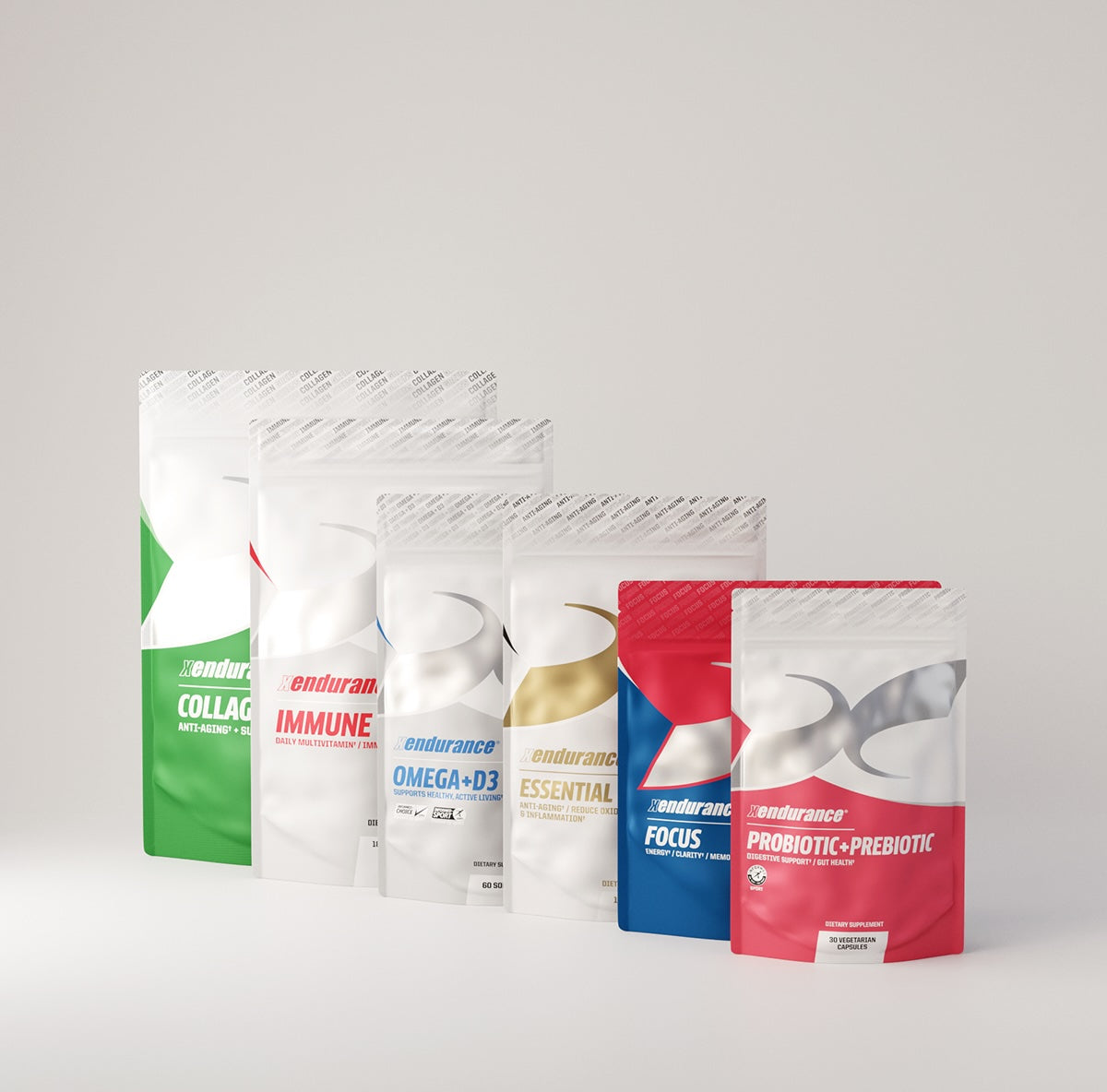
Fuel intelligently — A small pre-workout snack or drink, such as the Xendurance Focus, containing 130mg of caffeine from natural green tea (or black coffee) can support morning sessions without fully blunting fat oxidation. Post-workout protein, such as the Xendurance Protein, and carbohydrates aid recovery at any time of day.
Prioritize consistency above perfection — The greatest health returns come from regular movement you can sustain for years. A reliable evening routine beats an inconsistent morning one.
Stack other circadian cues — Get natural light soon after waking, keep meals on a consistent schedule, and dim lights in the evening to amplify exercise timing benefits.
Track and personalize — Monitor energy, sleep, recovery, fasting glucose, lipids, and body composition. Adjust based on how your body responds and consult a healthcare provider or trainer for personalized advice, especially with existing conditions.
Conclusion: Aligning Your Workouts with Your Body Clock for Maximum Results
Yes, the time of day you workout can matter. Large 2026 data from wearable trackers and health records, alongside a 2025 randomized trial, indicate that morning exercise—especially between 7 and 8 a.m.—aligns closely with natural cortisol rhythms and circadian biology. This timing is associated with reduced risks of obesity, Type 2 diabetes, and cardiovascular issues beyond the benefits of exercise volume alone.
That said, the science remains nuanced. Evening workouts deliver real advantages for vascular health, performance, and certain populations. Individual factors like age, health status, goals, and lifestyle will always influence the optimal choice.
The most important principle is consistency. Choose the window you can protect and enjoy, then consider fine-tuning toward morning if your schedule and biology allow. Your internal clock is listening—working with it may help you get more from every session.



コメントを書く
このサイトはhCaptchaによって保護されており、hCaptchaプライバシーポリシーおよび利用規約が適用されます。