




GLP-1 receptor agonists and dual agonists such as semaglutide (Ozempic, Wegovy) and tirzepatide (Mounjaro, Zepbound) have transformed obesity and type 2 diabetes care. Clinical trials routinely show average weight reductions of 5–18%, with meaningful improvements in metabolic health, cardiovascular risk factors, and quality of life. Yet the same mechanisms that drive success—strong appetite suppression, delayed gastric emptying, and substantially lower calorie intake—also create new nutritional challenges that many patients and even some clinicians underestimate.
A large retrospective claims analysis of more than 461,000 adults newly prescribed GLP-1 receptor agonists found that nutritional deficiency diagnoses rose to 12.7% at six months and 22.4% at twelve months. Vitamin D deficiency was the most frequent, reaching 13.6% by one year. Signals for iron deficiency anemia, other B-vitamin deficiencies, mineral shortfalls, volume depletion, and even diagnosed muscle loss also increased.
These findings do not mean every person on a GLP-1 will become deficient. They do mean that reduced food volume, altered food preferences, and gastrointestinal side effects can push already vulnerable intakes into the inadequate range—especially when energy intake falls below roughly 1,200 kcal for women or 1,800 kcal for men. A joint advisory from the American College of Lifestyle Medicine, the American Society for Nutrition, the Obesity Medicine Association, and The Obesity Society emphasizes that nutrition and lifestyle support are essential companions to GLP-1 therapy if patients are to achieve high-quality weight loss rather than simply a lower number on the scale.
This article outlines the science-backed priorities: protecting muscle with adequate protein and resistance training, closing the most common micronutrient gaps, maintaining hydration and electrolytes, and using practical, nutrient-dense strategies when appetite is low.
Protein First: Protecting Lean Mass During Rapid Weight Loss
Body-composition data from major trials show that while the majority of weight lost is fat, a clinically relevant portion (often estimated in the 20–40% range across studies) can come from lean mass. Older adults, those with lower baseline muscle, and people who do little or no resistance training are at higher risk.
Current expert guidance during active weight loss on GLP-1 therapy commonly targets 1.2–1.6 g of protein per kilogram of body weight per day (higher end for older adults or those training hard), distributed across meals or snacks at roughly 20–40 g per eating occasion. This level supports muscle protein synthesis and helps preserve metabolic rate.
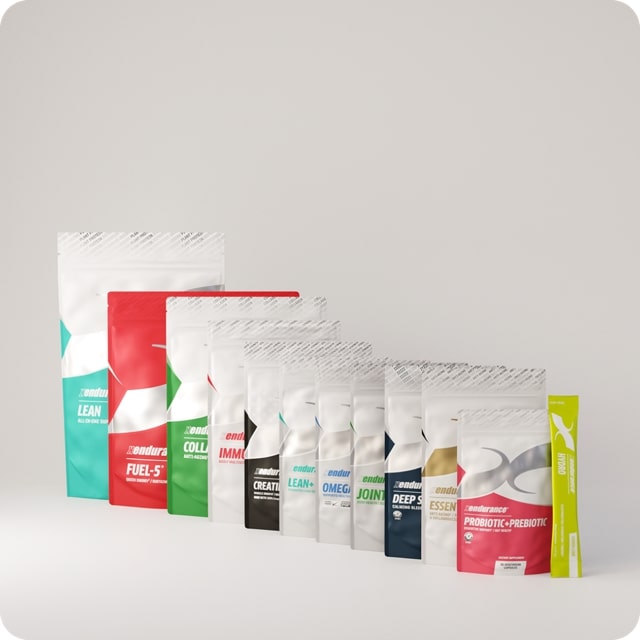
When solid food feels difficult, a high-quality, easily digested protein source becomes especially useful. Xendurance Protein delivers 20–23 g of a multi-source blend (heavily weighted toward whey hydrolysate for rapid absorption, plus isolate, micellar casein, and calcium caseinate for sustained release), full BCAAs, lactate, and electrolytes. Certain flavors also supply vitamins B6, B12, and D. It mixes smoothly in small volumes of liquid, making it practical on days when appetite is minimal.
Pair protein intake with progressive resistance training two to three or more times per week. The combination is far more effective at preserving lean mass than either strategy alone.
The Micronutrients Most Likely to Fall Short
Dietary intake studies of people on incretin-based therapies consistently show shortfalls relative to Dietary Reference Intakes for calcium, iron, magnesium, potassium, vitamins A, C, D, E, and K, and choline. Baseline inadequacies already common in obesity (particularly vitamin D, iron, and zinc) compound the problem when total food volume drops.
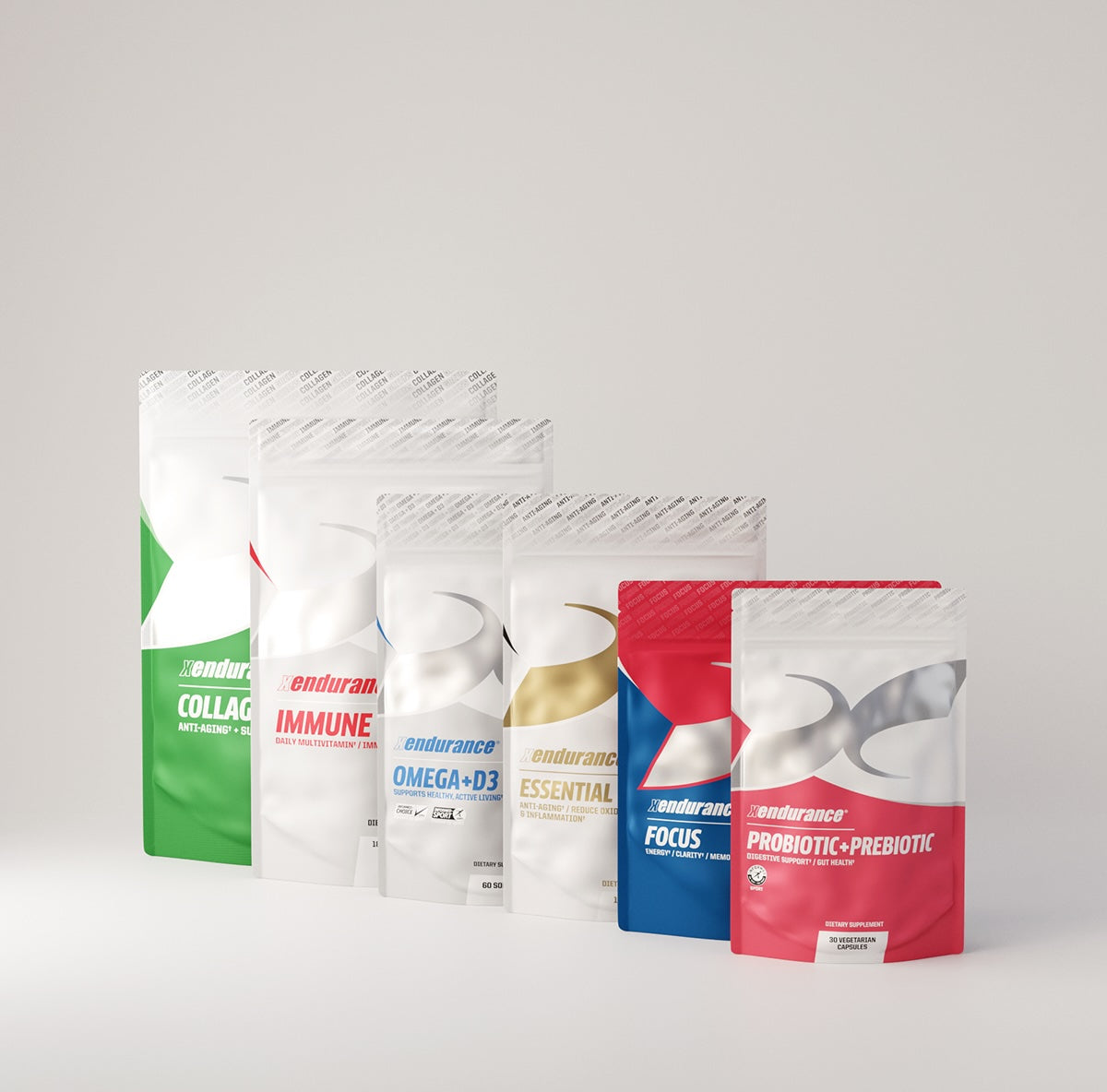
Vitamin D stands out as the most frequently diagnosed deficiency. It supports bone health, muscle function, immunity, and mood. Many people with obesity start with lower circulating levels due to volumetric dilution and sequestration in adipose tissue. Supplementation is often appropriate; Xendurance Omega+D3 provides 4,000 IU of vitamin D3 alongside 1,000 mg of EPA + DHA in the more bioavailable triglyceride form, supporting bone, joint, heart, and brain health in one product.
Iron and related anemia signals appear in both claims data and smaller studies. Reduced intake of heme sources plus possible subtle effects on absorption can contribute. Pair iron-rich foods with vitamin C when possible, and monitor ferritin and related labs as directed by a clinician.
Calcium and magnesium are critical for bone density and muscle function—especially important when rapid weight loss and potential reductions in mechanical loading occur. Extreme Endurance (also positioned as Essential for daily wellness use) supplies calcium carbonate, magnesium, potassium, selenium, and chromium in a clinically studied mineral formula. Research on the formula has shown reductions in markers of muscle damage and oxidative stress, which can be relevant both for athletes and for people adding resistance training during weight loss.
B vitamins, particularly B12 and thiamine, deserve attention. Prolonged very low intake or significant vomiting can elevate risk. Immune Boost, a comprehensive multivitamin-mineral formula with research-supported doses of B-complex vitamins (including B12 and folate), vitamins A, C, D, E, magnesium, zinc, calcium, selenium, and a range of antioxidants and phytonutrients, provides broad daily coverage when overall food variety is limited.
A registered dietitian or clinician experienced with anti-obesity medications can help determine which labs to prioritize (commonly 25-hydroxyvitamin D, B12, iron studies, and others based on symptoms or risk factors) and whether targeted supplementation is warranted beyond a general multivitamin.
Hydration and Electrolytes: Quiet but Important
Claims data also show rising diagnoses of volume depletion. Lower food intake reduces the water and electrolytes normally obtained from food. Gastrointestinal side effects can further increase fluid and electrolyte losses. Consistent fluid intake plus a balanced electrolyte source helps maintain energy, muscle function, and overall well-being.
Xendurance Hydro delivers sodium, magnesium, potassium, and chloride together with vitamins B6 and B12 and lactate in convenient stick packs. It is designed for rapid rehydration and can be used throughout the day or around training.
Building a Practical Daily Approach
A workable framework for most people on GLP-1 therapy includes:
- Leading every eating opportunity with protein.
- Emphasizing nutrient-dense, minimally processed foods—vegetables, fruit, whole grains or starchy vegetables in moderate portions, legumes, nuts/seeds, dairy or fortified alternatives, and lean proteins—within the smaller volume that feels comfortable.
- Increasing fiber gradually to support digestive comfort and micronutrient density.
- Staying consistently hydrated.
- Adding progressive resistance training and some form of daily movement.
- Using clean, easily tolerated carbohydrate sources on training days if needed.
Gastrointestinal side effects are common early in treatment or after dose increases. Smaller, lower-fat, less spicy meals, eating slowly, and stopping at comfortable fullness usually help. Persistent or severe symptoms warrant discussion with the prescribing clinician.
The Bigger Picture: Quality of Weight Loss Matters
The goal is not simply the lowest possible weight. It is fat loss accompanied by preserved muscle, adequate nutrient status, maintained strength and function, and sustainable habits that support long-term health. The joint advisory from leading nutrition and obesity organizations underscores that structured nutrition counseling, resistance training, and lifestyle support improve both the magnitude and the quality of results—and may help with adherence and weight-loss maintenance.
Supplements are not a substitute for food or medical care. They can, however, help close documented gaps when intake is constrained. Products such as Xendurance Protein, Omega+D3, Extreme Endurance/Essential, Immune Boost, and Hydro are formulated with bioavailability and practicality in mind and are third-party tested (Informed Sport where applicable).
Important Caveats
This article is for educational purposes only and is not medical advice. Individual needs vary widely based on age, sex, baseline nutritional status, medical history, medications, and rate of weight loss. Work with your prescribing clinician and, ideally, a registered dietitian experienced with GLP-1 therapy. Baseline and follow-up laboratory assessment, personalized protein targets, and monitoring for signs of deficiency (excessive fatigue, unusual hair loss, muscle weakness, poor wound healing, etc.) remain essential.
GLP-1 medications are powerful tools. Pairing them with intentional nutrition, strength training, and thoughtful support for the nutrients most likely to fall short helps turn rapid weight loss into durable improvements in health and function.
Selected References & Further Reading:
Butsch et al. Nutritional deficiencies and muscle loss in adults with type 2 diabetes using GLP-1 receptor agonists: A retrospective observational study (claims analysis of 461,382 adults).
Koceva et al. Micronutrient Deficiencies in the Era of Second-Generation Incretin-Based Therapies for Obesity. Nutrients. 2026. https://pmc.ncbi.nlm.nih.gov/articles/PMC12943190/
Mozaffarian et al. Nutritional priorities to support GLP-1 therapy for obesity: a joint Advisory from the American College of Lifestyle Medicine, the American Society for Nutrition, the Obesity Medicine Association, and The Obesity Society. American Journal of Clinical Nutrition / parallel publications in partner journals.
Additional dietary intake and body-composition analyses summarized in the above reviews.



コメントを書く
このサイトはhCaptchaによって保護されており、hCaptchaプライバシーポリシーおよび利用規約が適用されます。