




You’ve trained for months. The long runs are done, the taper is complete, and race morning arrives with that familiar mix of nerves and excitement. Then, somewhere around mile 18 or 20, it hits—the wall. Legs turn heavy, focus frays, and the finish line that felt inevitable suddenly seems distant. This isn’t a lack of willpower. It’s physiology. Your body’s limited glycogen stores are running low, and without the right fuel strategy, performance drops hard.
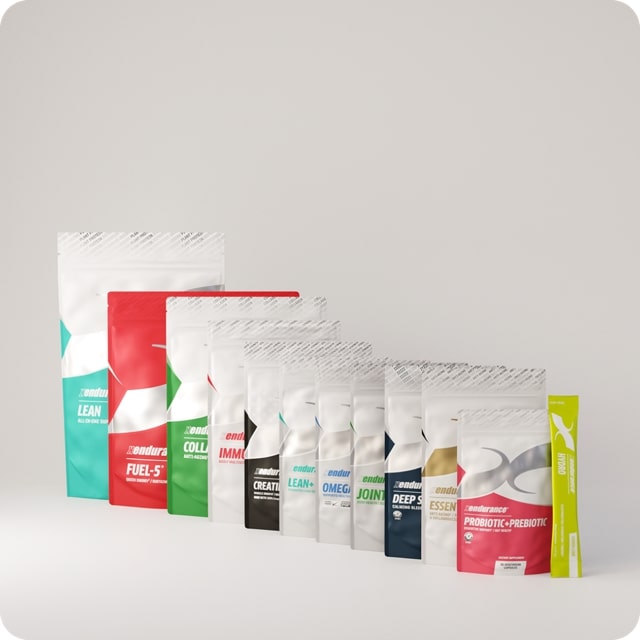
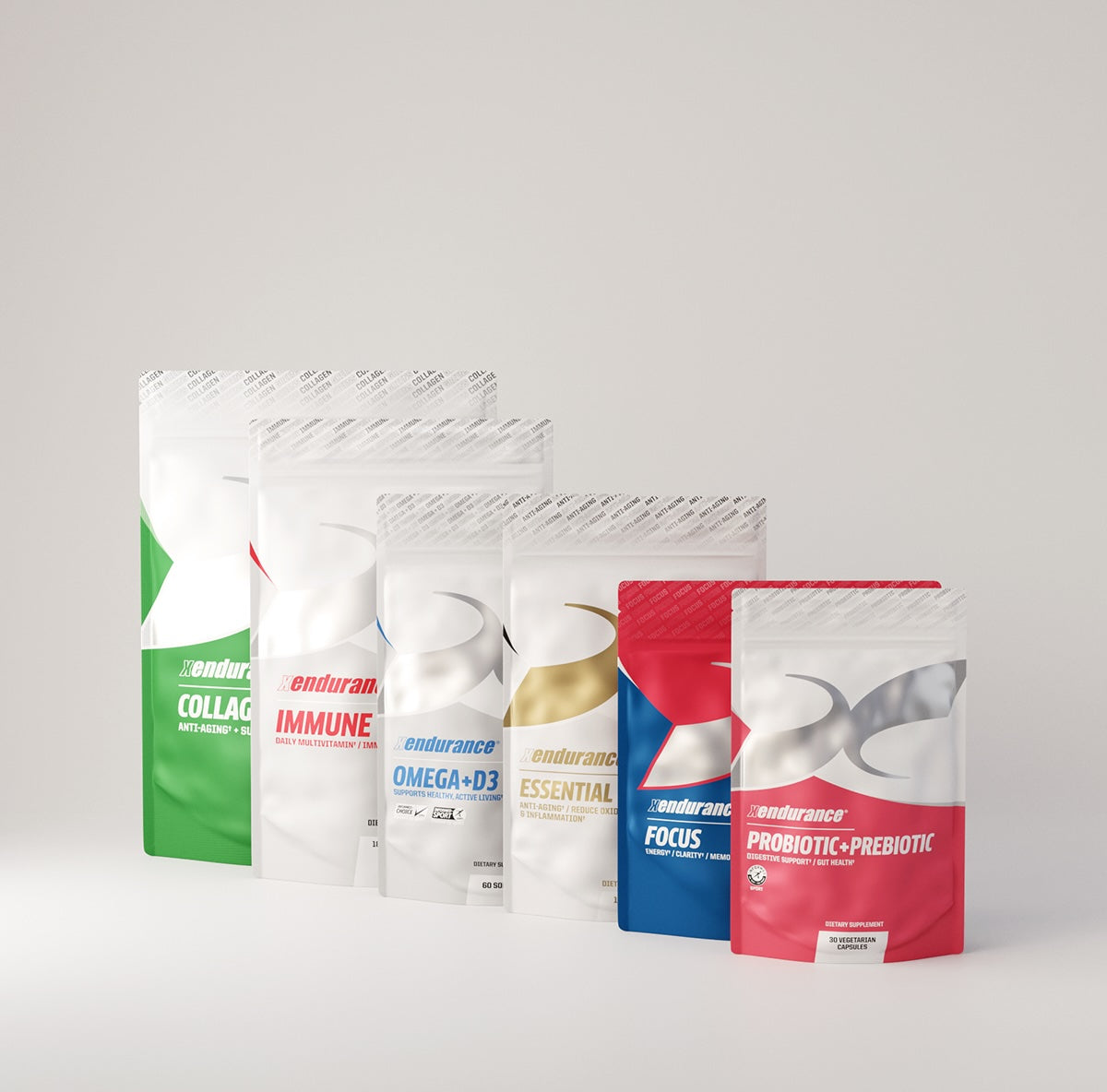
Xendurance just launched Globs, a real-food energy gummy built around organic sweet potato carbohydrates. Designed for steady, crash-free energy with no stimulants or jitters, these portable gummies give endurance athletes a practical, gut-friendly way to deliver the carbs that keep you moving when stored fuel runs short. Here’s how to use them effectively—especially for a marathon—and why the sweet potato foundation makes a difference.
Why Your Energy Depletes During a Marathon
Your body stores carbohydrate as glycogen primarily in the muscles and liver. Even with solid carb-loading, those stores typically support only about 90–120 minutes of hard running before they become critically low. At marathon intensity (roughly 75–85% of VO₂ max for many runners), carbohydrate is the preferred fuel because it produces energy faster than fat. Once glycogen drops, the body shifts more toward fat oxidation, but that pathway can’t fully sustain race pace. The result is the classic “bonk” or wall: sudden fatigue, heavy legs, mental fog, and a sharp decline in pace.
Research and practical experience confirm that exogenous (ingested) carbohydrate during prolonged exercise helps maintain blood glucose, spares remaining glycogen, and supports both peripheral (muscle) and central (brain) function. The brain is especially sensitive to falling blood sugar; when glucose dips, the nervous system effectively applies the brakes as a protective mechanism. Taking in carbs mid-race doesn’t fully refill muscle glycogen on the fly, but it does keep the system running more efficiently and delays the point of severe depletion.
How Many Carbohydrates Do You Need for a Marathon?
Current sports nutrition guidelines for events lasting longer than 2.5 hours recommend 60–90 grams of carbohydrate per hour for most trained runners, with well-adapted athletes sometimes targeting higher intakes (up to 90–120 g/h) using multiple transportable carbohydrates (glucose + fructose sources). The exact target depends on body size, intensity, duration, and individual gut tolerance.
For a practical example, consider a 4-hour marathon:
- Target 60–75 g of carbohydrate per hour as a solid starting range for many recreational to competitive runners.
- That equals roughly 240–300 g of carbohydrate across the race.
- Start early—ideally within the first 20–30 minutes—rather than waiting until you feel depleted. By the time you “need” it, the deficit is already building.
- Take smaller, more frequent doses (every 20–30 minutes) rather than large boluses. This improves absorption and reduces gastrointestinal risk.
Faster runners (sub-3:00) often push toward the higher end or beyond because they burn carbohydrate at a greater rate. Slower runners may sit comfortably at 50–70 g/h. The key is personalization through practice.
Always pair carbohydrate with fluid. Aim for roughly 400–800 ml of fluid per hour depending on conditions and sweat rate, and include sodium as needed. Never experiment with a brand-new product or aggressive dosing strategy on race day.
The Sweet Potato Advantage
Not all carbohydrates behave the same way. Simple sugars can deliver rapid energy but sometimes produce sharper blood-sugar swings or gastrointestinal discomfort when taken in high volumes under race stress. Complex, real-food sources can offer a steadier release profile while bringing additional nutrients.
Sweet potatoes stand out for athletes. They provide primarily complex starches along with naturally occurring sugars, delivering carbohydrate with a moderate glycemic response (depending on preparation). This supports more sustained energy rather than a sharp spike-and-crash. Beyond the carbs themselves, sweet potatoes supply beta-carotene (a precursor to vitamin A with antioxidant properties), potassium, vitamin C, vitamin B6, manganese, and other micronutrients that support overall metabolic health and recovery from exercise-induced stress.
Studies on potato-based carbohydrate during prolonged exercise have shown it can sustain blood glucose and support performance comparably to traditional gels when carbohydrate amounts are matched.
Athletes increasingly seek real-food options that feel more natural and are easier on the stomach over multi-hour efforts. Organic sweet potato as a foundational ingredient aligns with that preference—providing clean, nutrient-dense fuel without artificial stimulants or unnecessary additives.
Xendurance Globs leverage this foundation. The gummy format makes the carbohydrate portable, easy to chew and swallow at race pace, and practical to carry in a belt, vest, or pocket. The emphasis on steady energy without jitters or crashes makes them especially useful for runners who want reliable fuel that doesn’t upset the gut or overstimulate the system mid-race.
Practical Advice for Using Gummy Carbs Like Globs in Training and Racing
- Train the gut. Start incorporating Globs (or similar carbohydrate sources) on long runs 6–8 weeks before your marathon. Begin at lower hourly intakes and gradually increase toward your race target. This improves tolerance and absorption capacity.
-
Know your numbers. Check the nutrition label on Globs for exact carbohydrate grams per serving or pack. Plan your intake so the total grams align with your 60–90 g/h goal. For example, if one serving provides a meaningful portion of that target, space servings every 20–30 minutes.
- Race-day marathon example (4-hour finish):
- Miles 0–5 / first 30–40 minutes: Take the first serving early.
- Continue every 20–30 minutes thereafter.
- Combine with water or an electrolyte drink at aid stations.
- In the later miles, when chewing feels harder and flavor fatigue sets in, the familiar, real-food profile of a sweet-potato-based gummy can be easier to continue taking than purely synthetic options.
-
Practice the full system. Test Globs with the exact hydration and any other products you plan to use. Note how your stomach feels at different intensities and under warmer conditions.
-
Pre- and post-run context. Carb-load the day or two before with familiar high-carbohydrate foods. Include a solid pre-race breakfast 2–3 hours out. After the race, prioritize carbohydrate plus protein for recovery; sweet-potato-based options can still play a role in the hours following.
- Listen and adjust. If you experience GI distress, reduce the dose, increase the time between servings, or ensure you’re taking enough fluid with each intake. Individual responses vary.
Sports dietitians and endurance coaches consistently emphasize the same principles: start early, practice everything in training, prioritize total carbohydrate grams over brand loyalty, and choose formats you can actually tolerate when tired and under pressure. Real-food gummies that deliver clean carbohydrate from sources like organic sweet potato give athletes more options that feel sustainable across long efforts.
Putting It All Together
A marathon is as much a fueling challenge as a running challenge. Your glycogen stores have a finite capacity. Strategic carbohydrate intake during the race helps maintain blood glucose, supports continued high-quality effort, and delays the wall. Sweet potato offers a nutrient-dense, steady-release carbohydrate foundation that many athletes find gentler and more satisfying than traditional options alone. Xendurance Globs translate that into a convenient, portable gummy designed for the demands of endurance training and racing—steady energy, no stimulants, and real-food roots.
Use them in training first. Build your personal dosing plan around the 60–90 g of carbohydrate per hour guideline (adjusted for your pace and tolerance). Start early on race day, stay consistent, and pair the gummies with smart hydration. When the later miles arrive and the body starts asking for more fuel, you’ll already have a practiced strategy ready. Train smart, fuel deliberately, and give your body the carbohydrate support it needs to finish strong. Globs are one practical tool in that larger system—designed for athletes who want clean, effective energy that lasts.

コメントを書く
このサイトはhCaptchaによって保護されており、hCaptchaプライバシーポリシーおよび利用規約が適用されます。