



High-altitude training or adventures—whether you're chasing PRs in the mountains, prepping for a multi-day trek, or logging hypoxic sessions in an altitude tent—demand more than just strong legs and lungs. The thinner air (hypoxia) throws your body into overdrive: metabolism shifts, appetite often vanishes, oxidative stress spikes, and dehydration sneaks up fast. Getting nutrition and supplementation right can mean the difference between thriving with improved hemoglobin mass and VO₂ max or struggling with fatigue, poor recovery, and stalled adaptations.
This guide dives deep into evidence-based strategies tailored for endurance athletes, hikers, and weekend warriors. We'll cover carb-heavy fueling (and why it's non-negotiable), iron/ferritin optimization, hydration tweaks, and targeted supplements like beetroot and antioxidants. These tips are drawn from sports science research and real-world athlete experiences—perfect for anyone dealing with real altitude challenges like appetite loss or sluggish recovery.
Why Altitude Changes Everything About Fueling
At elevations above 1,600–2,400 m (common for training camps) or higher for expeditions (3,000+ m), your body faces hypobaric hypoxia—less oxygen per breath. This ramps up resting metabolic rate, accelerates glycogen use, and increases fluid loss through faster breathing and drier air. Appetite suppression is common due to hormonal shifts and nausea, leading many athletes to undereat exactly when they need more calories.
Poor fueling doesn't just sap energy—it can blunt the very adaptations you're seeking, like increased red blood cell production. The good news? Smart nutrition turns these stressors into advantages. Focus on four pillars: carbohydrates, iron, hydration, and smart supplementation.
Carb-Heavy Fueling: Your Body's Oxygen-Efficient Choice
Carbohydrates aren't just convenient—they're biochemically superior at altitude. Here's the science: oxidizing carbs yields about 15% more ATP (energy) per molecule of oxygen consumed compared to fats. In low-oxygen environments, this efficiency matters hugely. A high-carb diet also raises the respiratory quotient (RQ), boosting arterial oxygen saturation by producing more CO₂, which helps you extract more O₂ from each breath.
Studies show total carbohydrate oxidation increases at altitude, depleting glycogen stores faster—even at the same relative intensity. That's why experts recommend bumping carbs to 6–10 g/kg body weight per day (or 60%+ of total calories) during moderate-to-high training, and up to 8–12 g/kg for extreme sessions. At base camp with lighter activity, aim for 3–5 g/kg minimum.
Practical tips to combat appetite loss:
- Eat small, frequent meals/snacks every 2–3 hours—think gels, bars, rice cakes, or liquid carbs like sports drinks.
- Prioritize easily digestible sources: oats, pasta, potatoes, bananas, honey, or maltodextrin drinks.
- Pre- and post-workout: 1–1.2 g/kg carbs immediately after to replenish glycogen and support recovery.
- Real-world example: A 70 kg athlete might target 420–700 g carbs daily. Start with a carb-rich breakfast (oatmeal with fruit and honey) and sip a 60–90 g/hour carb drink during long efforts.
High-carb, low-fat meals aren't just for performance—they reduce acute mountain sickness symptoms and keep mental sharpness high when hypoxia fogs your brain.
Iron and Ferritin Optimization: The Foundation for Altitude Adaptations
Altitude training's big payoff is erythropoiesis—your body ramps up red blood cell production to carry more oxygen. Iron is the raw material for hemoglobin, so low stores kill gains. Athletes with low ferritin often see zero or minimal increases in hemoglobin mass, even after weeks at altitude.
Pre-camp checklist (do this 4–6 weeks before):
- Get bloodwork: Focus on serum ferritin (iron stores). Ideal pre-altitude targets are often >100 ng/mL for optimal response (higher than general "normal" lab ranges).
- Thresholds: <30–40 ng/mL (women/men) = supplement aggressively. 100–130 ng/mL = moderate support. Consult a sports doc—excess iron is risky.
If needed, take 100–200 mg elemental iron daily (often as a single morning dose when hepcidin is low). Pair with vitamin C for absorption; avoid tea/coffee/calcium nearby.
Food sources: lean red meat, lentils, spinach—pair with citrus. Some experts add lactoferrin or probiotics for better uptake.
Why the pre-camp emphasis? Altitude spikes iron demand. Without it, you risk anemia-like symptoms and wasted training time. Post-camp, retest—many athletes deplete stores during exposure.
Hydration Tweaks: Fight the Invisible Dehydrator
Altitude dehydration is sneaky and fast. Dry air, increased ventilation (you breathe 20–50% more), and altitude-induced diuresis (extra urine output) can cost you 1–2+ liters extra per day. Dehydration worsens hypoxia symptoms, raises heart rate, and impairs recovery.
Daily targets:
- 3–5 liters (13–21 cups) total fluid, more with exercise. At 8,000–10,000 ft with activity: 4–4.5+ liters.
- Urine color: Pale lemonade = hydrated.
- Electrolytes matter: Add sodium/potassium via tabs, broth, or electrolyte drinks—such as Hydro, from Xendurance, as sweat rates climb even in cool mountain air.
Pro tips:
- Pre-hydrate the week before and sip consistently (don't wait for thirst—it's blunted at altitude).
- Use flavored or carb-electrolyte mixes; they hydrate better than plain water and double as fuel.
- Monitor weight daily—1% loss = drink more.
Staying ahead prevents headaches, fatigue, and poor sleep, letting your body focus on adaptations instead of survival mode.
Smart Supplementation: Beetroot, Antioxidants, and Beyond
Whole foods come first, but targeted supplements can help.
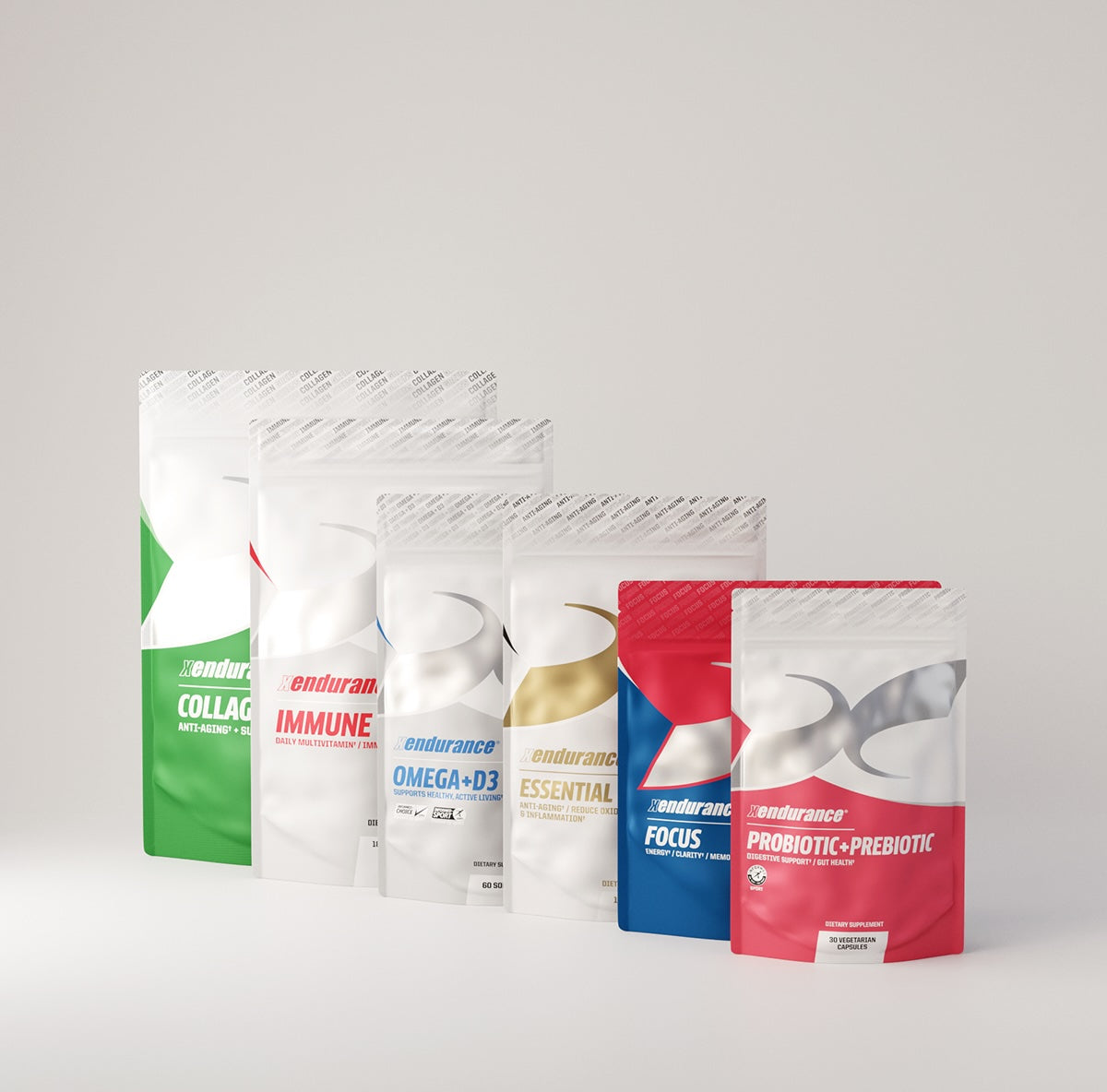
- Beetroot (dietary nitrates): Concentrated beetroot juice (~12.5 mmol nitrate/day) boosts nitric oxide, improving oxygen efficiency and blood flow. Xendurance’s Blood Fuel is precisely for increased nitric oxide and enhanced oxygen efficiency. Field studies show beetroot can preserve fitness scores and speed heart-rate recovery at 4,800 m, though results vary for elite runners in simulated hypoxia. Take 2 doses daily (pre- and during camp) for a potential edge in endurance efforts or 1-2 scoops daily using Blood Fuel.
- Antioxidants: Hypoxia + exercise = oxidative stress, which can inflame tissues and slow recovery. Doubling antioxidant-rich foods (berries, cherries, spinach, nuts) raises antioxidant capacity and may blunt inflammation without blocking training adaptations—unlike high-dose vitamin C/E pills.
Other mentions: Monitor vitamin D/B12 (they support iron status). Caffeine or BCAAs can help if appetite is low, but evidence is secondary.
Caveat: Always test supps at sea level first. Work with a sports dietitian or physician—especially for iron.
Sample Daily Fueling Plan at Altitude (70 kg Athlete)
- Breakfast: Oatmeal + banana + honey + nut butter (80–100 g carbs).
- During training: 60–90 g/hour carb-electrolyte drink + gels.
- Lunch: Rice bowl with chicken, veggies, avocado (100+ g carbs).
- Snacks: Yogurt with fruit, energy bars, or recovery shakes (every 2 hours).
- Dinner: Pasta or quinoa with lean protein and colorful veggies (focus on iron sources).
- Evening: Tart cherry juice or antioxidant smoothie for recovery.
Total: ~500–700 g carbs, 3–5 L fluids, iron supp if indicated.
Adjust for taste/appetite—liquid calories save the day when solid food feels impossible.
Recovery, Appetite Hacks, and Long-Term Wins
Appetite loss hits hardest the first week. Combat it with:
- Palatable, calorie-dense options (smoothies, soups).
- Mindful eating in a warm, social setting.
- Track intake—many athletes undereat by 20–30%.
Post-camp, ease back into sea-level fueling as hemoglobin gains stick for weeks. Long-term, these habits build resilience: better oxygen use, stronger immunity, and faster recovery.
Key Takeaways: How to Fuel Successfully at Altitude
Fueling at altitude isn't rocket science—but it requires intention. Prioritize carbs for oxygen efficiency, optimize iron pre-camp, hydrate aggressively, and layer in beetroot or food-based antioxidants. These strategies aren't just for elites; they're game-changers for anyone hitting the trails or mountains.
Consult a professional before big changes, especially with bloodwork or supplements. Track how you feel, adjust, and watch your performance soar—whether that's a faster summit push or easier recovery after hypoxic intervals. And safe travels!

コメントを書く
このサイトはhCaptchaによって保護されており、hCaptchaプライバシーポリシーおよび利用規約が適用されます。