



In an era of rising mental health challenges, chronic stress, anxiety, depression, poor sleep, and cognitive fog are common complaints that disrupt daily life. While professional interventions like therapy and medication play key roles, emerging nutritional strategies—particularly omega-3 fatty acids (EPA and DHA from fish oil)—offer promising, low-risk support thanks to their anti-inflammatory and brain-protective effects.
A key recent contribution is the randomized, double-blind, placebo-controlled trial titled "The effects of Omega-3 supplementation on stress, anxiety, depression, sleep quality, and everyday memory in individuals with psychological distress: A randomized, double-blind, placebo-controlled trial" by Wedad Azhar and colleagues. This Saudi study on young adults with severe psychological distress reported large, clinically meaningful improvements across multiple domains after 12 weeks of supplementation.
This article explores the study's findings in detail, including dosage and timeline, supporting evidence from other research, and why Xendurance Omega+D3 stands out as an evidence-aligned option for managing stress and anxiety.
Core Findings from the Azhar et al. Trial (2025/2026)
The researchers recruited 64 participants (average age ~22, predominantly women) with elevated psychological distress but no major chronic conditions. In a double-blind design, half received omega-3 capsules daily, while the other half got a corn oil placebo. Standardized scales measured changes at baseline and 12 weeks:
- Perceived Stress Scale (PSS) for stress
- GAD-7 for anxiety
- PHQ-9 for depression
- Pittsburgh Sleep Quality Index (PSQI) for sleep
- Everyday Memory Questionnaire (EMQ) for memory complaints
- Epworth Sleepiness Scale (ESS) for daytime sleepiness (unchanged)
The active dose was 500 mg EPA + 250 mg DHA (total 750 mg EPA+DHA daily; note: Examine.com summary lists it as 1,000 mg total omega-3s with the same EPA/DHA split) from a triglyceride-form fish oil.
Results in the omega-3 group showed substantial within-group and between-group improvements (large effect sizes, p ≤ 0.001 where reported):
- Stress reduced significantly, with high baseline levels dropping to low/moderate.
- Anxiety improved markedly, shifting from severe to mild/moderate ranges.
- Depression symptoms eased from severe toward mild/moderate.
- Sleep quality enhanced noticeably.
- Everyday memory showed meaningful gains.
The examine.com summary highlights large effect sizes and clinical significance across these domains (though exact percentage reductions like 41–52% appear in some interpretations; the trial emphasizes robust, reliable changes). Benefits were strongest in those with the highest baseline severity, with regression analyses confirming this pattern. No major side effects occurred, and adherence was excellent.
The authors view omega-3s as a safe adjunct for distress management, likely via reduced inflammation, improved neuronal membrane function, and better neurotransmitter support. They caution that this exploratory study had some data-reporting issues, urging careful interpretation and further replication.
Dosage, Timeline, and Why They Worked
The protocol succeeded with a modest 750 mg combined EPA+DHA (EPA-dominant at 500 mg) daily for 12 weeks. This exceeds basic health recommendations (250–500 mg) but remains conservative compared to some mood-focused trials. The triglyceride form enhances absorption, and the 12-week duration allows time for incorporation into brain cell membranes and anti-inflammatory effects to build. Shorter periods often show limited or inconsistent benefits.
Broader Supporting Research
This trial aligns with prior evidence:
- Kiecolt-Glaser et al. (2011): Omega-3s reduced anxiety by ~20% and inflammation in stressed students.
- Bafkar et al. (2024 dose-response review): Benefits for anxiety, especially at higher doses, though lower amounts helped in distressed groups.
Mechanisms include resolving inflammation, modulating cortisol, and supporting serotonin/dopamine pathways. Omega-3s perform best as adjuncts in those with existing symptoms or low dietary intake.
Xendurance Omega+D3: A Strong, Convenient Option
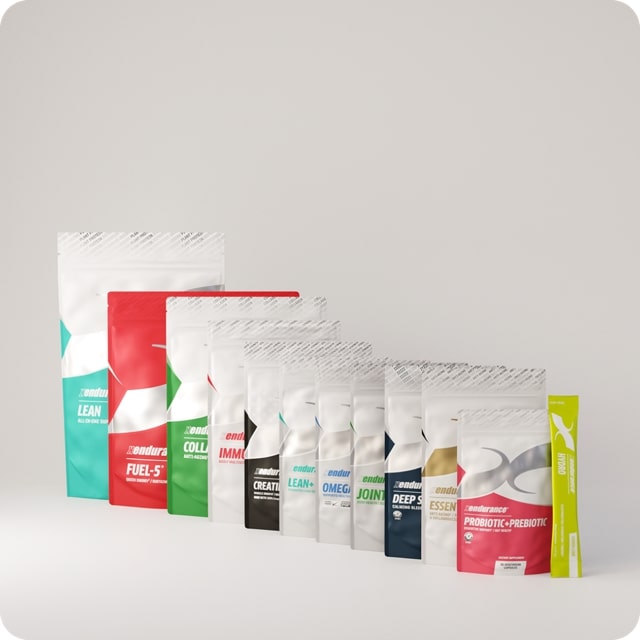
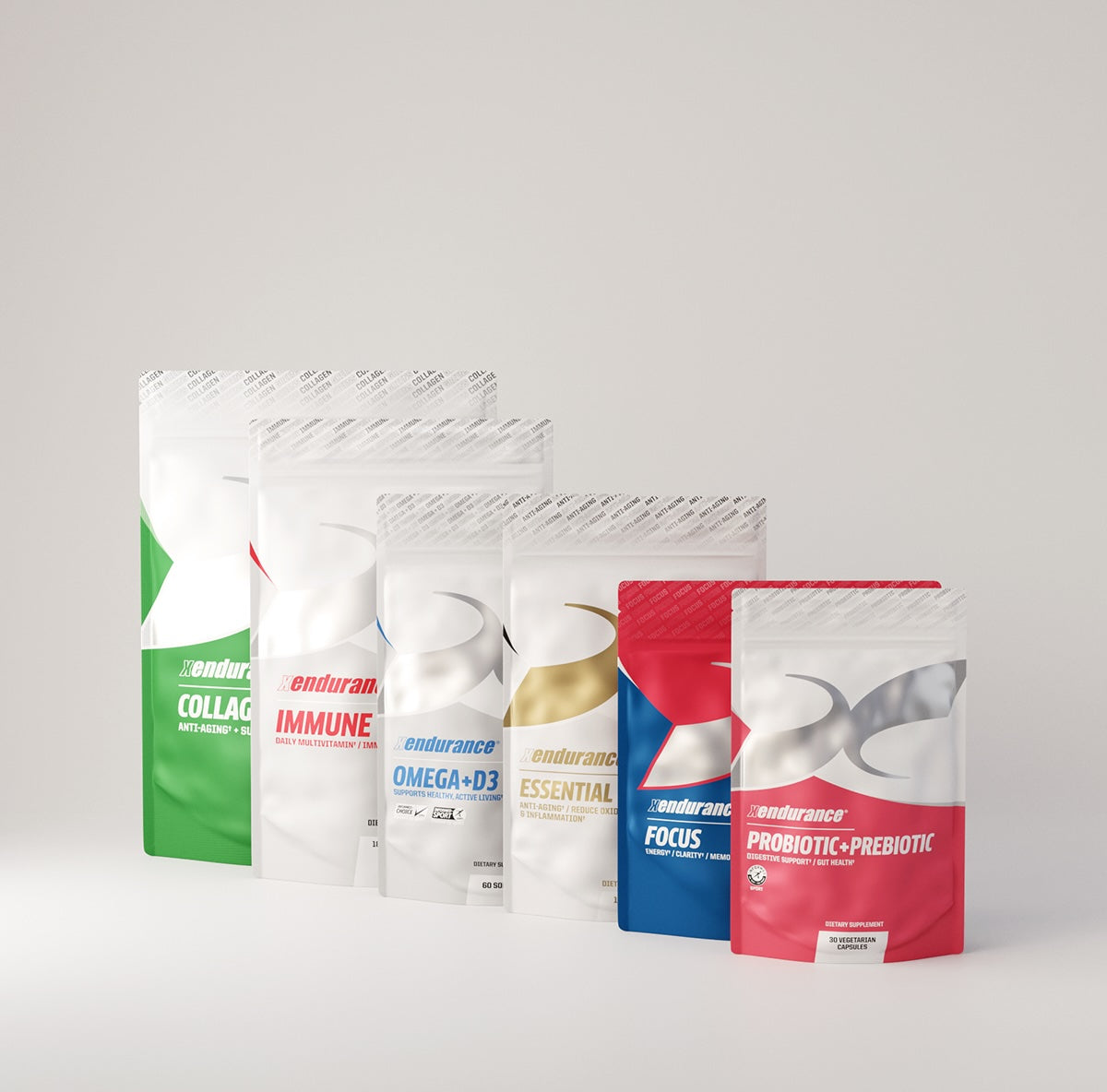
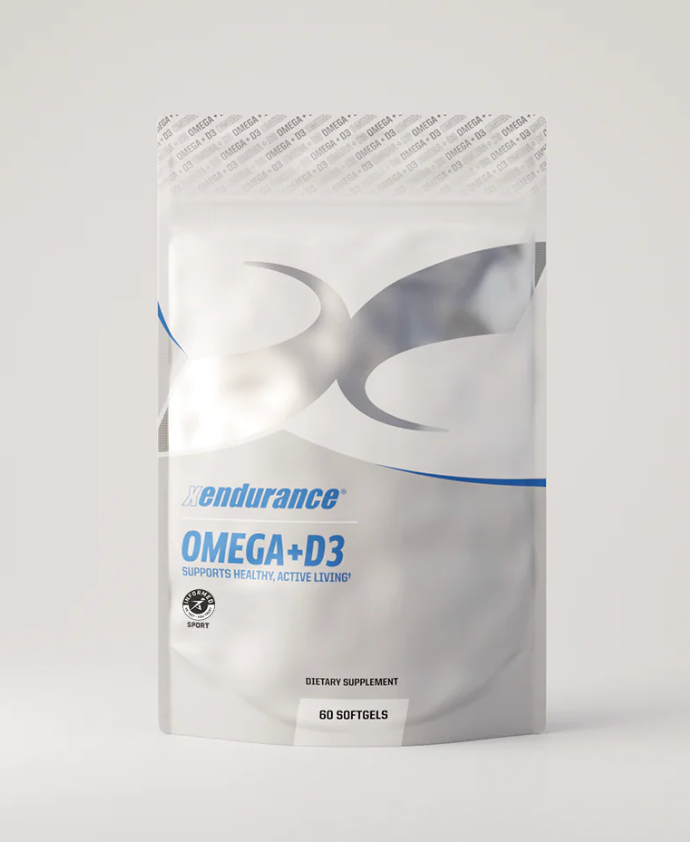
For real-world application, Xendurance Omega+D3 closely matches and builds on the trial's effective approach.
Each serving (two capsules daily—one morning, one evening with meals) provides:
- 1,000 mg combined EPA + DHA in highly bioavailable triglyceride form (superior to many ethyl-ester alternatives).
- 4,000 IU vitamin D3 to address a common deficiency linked to worsened mood, anxiety, and stress.
This slightly higher EPA+DHA dose (vs. the study's 750 mg) fits well within effective ranges from meta-analyses, with TG form optimizing brain delivery. Vitamin D3 adds independent benefits for serotonin production and immune balance.
The brand emphasizes quality (third-party testing is typical), purity, and no fishy aftertaste when taken with food. It's cost-effective for a 12-week trial and suits active lifestyles.
To try: Follow the two-capsule daily protocol. Monitor with simple tools like GAD-7 or PSS apps. Consult a healthcare provider first (especially if on blood thinners or with fish allergies), and consider baseline testing for omega-3 index and vitamin D levels.
Conclusion: Evidence-Backed Support for Mental Resilience
The Azhar et al. trial (online December 2025, full publication April 2026; DOI: 10.1016/j.jad.2025.121055) adds high-quality RCT data showing that 750–1,000 mg EPA+DHA daily for 12 weeks can meaningfully alleviate severe psychological distress symptoms—improving stress, anxiety, depression, sleep, and memory.
Combined with decades of supporting research, omega-3s emerge as a safe, accessible tool to bolster brain health amid modern stressors. Xendurance Omega+D3 delivers a clinically relevant dose in premium form, plus synergistic D3, making it an excellent starting point.
A three-month commitment, paired with healthy habits, could yield noticeable calm and clarity. Track your progress, stay consistent, and involve a professional for personalized guidance.



コメントを書く
このサイトはhCaptchaによって保護されており、hCaptchaプライバシーポリシーおよび利用規約が適用されます。