



In the crowded world of sports supplements, performance claims are easy to make and harder to trust. Most products lean on ingredient-level research, open-label tests, or studies funded and directed by the company selling the product.
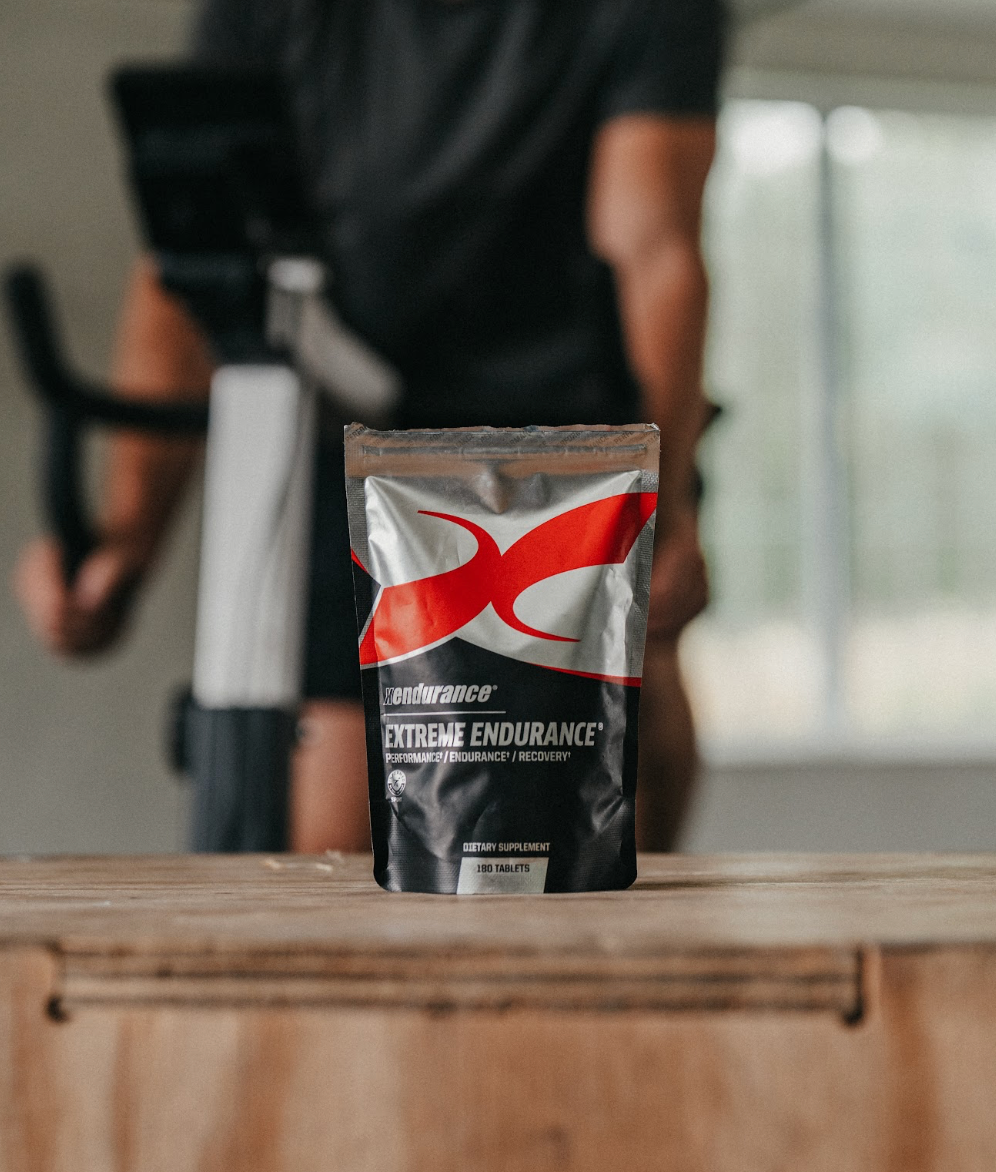
Extreme Endurance, the flagship formula from Xendurance, took a different path with its first major clinical trial. That study was a published, gold-standard, double-blind, placebo-controlled, crossover trial conducted by a third-party facility the company did not know or hire in advance. The results—roughly a 15% average reduction in lactic acid and a double-digit increase in aerobic threshold in elite athletes after only 10 days—were later presented at the 6th Annual European Nutraceutical Convention in Vienna on March 13, 2010, and appeared in the Clinical Journal of the European Society for Clinical Nutrition and Metabolism (Vol. 5, Supplement 1, 2010).
This independence is not a minor technical detail. It is one of the clearest ways the product distinguishes itself in an industry where bias, selective reporting, and proprietary blends routinely weaken the evidence athletes rely on.
What “Third-Party” Actually Means—and Why It Is Rare
Third-party testing, in the strict sense used for this study, means an independent organization designed and executed the trial without the manufacturer knowing the identity of the facility or the researchers in advance. Xendurance (then operating through Lifespan International) has long emphasized this point: the company did not know or directly hire the testing site for the first study. The work was performed at Corpus Diagnostik in Hilpoltstein, Germany, under Dr. Volker Tzscheetzsch and Jürgen Sessner. Many companies commission research from labs they select, fund, and sometimes influence in protocol design or data interpretation. Even when those studies are labeled “independent,” the relationship can introduce subtle bias—favoring positive outcomes, under-reporting null results, or shaping endpoints around marketing goals.
True third-party execution reduces that risk. Neither the company nor the researchers entered the trial with a pre-existing commercial relationship that could shape expectations. The design was double-blind and placebo-controlled, with a crossover so each athlete served as their own control. Results were not filtered through an internal marketing team before presentation. In the supplement industry, this combination—full-formula testing (not just individual ingredients), gold-standard methodology, and genuine independence—is uncommon. Most products cite studies on beta-alanine, creatine, or buffering minerals in isolation. Few test the complete finished product under conditions that minimize manufacturer influence. Extreme Endurance’s early study remains one of the clearer examples of the higher standard.
Study Design and Protocol
The trial involved 22 elite athletes: eight professionals (including six pro triathletes, a pro mountain bike racer, and a pro marathon runner) and 14 elite club athletes from track, soccer, cycling, and cross-country skiing. Participants completed a double-blind, placebo-controlled protocol lasting roughly 30 days total, including a washout period. They trained normally while taking either the active product or placebo for 10 days, were tested, switched after a washout, and were tested again. Dosage followed a loading phase, then a body-weight-adjusted maintenance dose of the Extreme Endurance tablets, which combine minerals, antioxidants, and the protease enzyme papain.
Testing centered on incremental cycle ergometer protocols to exhaustion, with capillary blood sampling for lactate before exercise, at each stage, at maximum performance (Pmax), and during recovery. Additional measures included aerobic threshold, performance capacity, and subjective feedback on muscle burn, soreness, and recovery. A related conference abstract presented at the same Vienna meeting (researchers including affiliations with Euronutrition BV and the Institute of Physiological Chemistry at the Medical University of Graz) described a comparable placebo-controlled, double-blind, crossover design with 19 male athletes, 10-day treatment periods, washout, and lactate measurement at Pmax and five minutes post-exercise. The core finding aligned: the formulation attenuated lactate concentrations at exhaustion relative to placebo, supporting a buffering effect under high-intensity load.
Key Results
Across the 22 athletes, average lactic acid was reduced by 15%. Aerobic threshold increased by double digits; company summaries of the data have cited an average improvement around 41% in some analyses of the cohort. All athletes reported less muscle burn, faster recovery, and reduced muscle soreness. Several noted secondary benefits such as better sleep or digestion. Every participant who received the active product wanted to continue using it. Later open-label work by Jürgen Sessner with pro triathletes over a longer period suggested continued gains in VO2 max and power output, and the lead researcher (who had previously coached in the German Bundesliga) was reportedly impressed enough by the initial results to pursue further testing on his own athletes.
These numbers are not marginal. A 15% drop in lactate accumulation and a substantial shift in aerobic threshold in a short window, measured under controlled conditions with elite athletes, indicate a meaningful change in buffering capacity and the ability to sustain higher work rates before acidosis limits performance. The crossover design and third-party execution make it harder to dismiss the findings as placebo effects or selective reporting.
Why This Still Matters More Than a Decade Later
The supplement market has grown noisier, not clearer. Athletes face proprietary blends, influencer-driven claims, and studies that test only one ingredient or use open-label designs with no control group. “Third-party tested” is now a common marketing phrase, yet it often refers only to banned-substance screening (valuable, but separate from efficacy research). Extreme Endurance carries Informed Sport certification for batch testing against prohibited substances—an important safety layer that began early for the product—but the clinical trial adds the rarer piece: independent evidence on the finished formula itself.
Later work, including a double-blind, placebo-controlled crossover study at the University of Louisiana at Lafayette led by Dr. David Bellar, reported a 26% reduction in lactic acid, a 39% reduction in post-exercise oxidative stress, and a large drop in creatine kinase (a marker of muscle damage) after 10 days. Company materials note that both the German and Louisiana studies were conducted by third parties. The original trial’s independence remains foundational because it established the result before the product had a large commercial footprint and before the company could have shaped the research environment.
Critics correctly note that many supporting documents appear as company-hosted PDFs and that not every related publication sits in the highest-tier journals. The Vienna presentation and the journal supplement citation still place the core findings in a scientific forum rather than solely in marketing materials. The methodological choices—double-blind, placebo-controlled, crossover, full formula, third-party execution—address the most common weaknesses in the category.
Practical Implications for Athletes
For endurance athletes, CrossFit and Hyrox competitors, and anyone training at intensities that generate substantial lactate, the practical takeaway is straightforward. A short loading period of the formula produced measurable reductions in lactate and improvements in aerobic threshold under controlled testing, with consistent athlete reports of less burn and faster recovery. The mechanism centers on buffering capacity rather than stimulants, so the product is positioned for daily use rather than acute pre-workout dosing. Results vary by individual training status, but the third-party data provide a clearer signal than ingredient marketing or anecdotal reports alone.
The study does not claim to replace training, nutrition fundamentals, or recovery practices. It does show that a carefully formulated mineral-antioxidant-enzyme blend, tested independently on the finished product, can shift key physiological markers in elite athletes within 10 days. In a market full of unverified claims, that standard remains distinctive.
The first Extreme Endurance clinical study stands as a reference point for what independent, full-formula evidence can look like. By keeping the testing facility unknown to the company in advance, using a rigorous double-blind crossover design, and presenting the results at a scientific conference, the trial reduced the usual sources of bias. More than fifteen years later, that combination—true third-party execution plus gold-standard methodology on the complete product—is still uncommon in sports nutrition. For athletes who want evidence that goes beyond ingredient lists and open-label testimonials, the study continues to offer a clearer benchmark.


コメントを書く
このサイトはhCaptchaによって保護されており、hCaptchaプライバシーポリシーおよび利用規約が適用されます。