




Have you ever wondered why your memory feels sharper in your 20s but starts slipping in your 50s? Or why some people in their 70s seem mentally razor-sharp while others struggle with basic recall? Is the brain really the fastest-aging organ in your body, and if so, what’s driving that rapid decline? More importantly, can targeted lifestyle choices, nutrition, and specific supplements like AlphaSize® Alpha-GPC help protect or even reverse some of that aging?
Does the Brain Age Faster Than the Rest of the Body?
Yes, in many ways it does. Neural stem cells, which generate new neurons and support brain repair, appear particularly vulnerable to biological aging. Research from USC shows that these cells divide less frequently and decline in number more rapidly than other tissues, contributing to cognitive decline even in healthy aging.
Brain volume shrinks starting around age 60, with areas like the hippocampus (key for memory) and prefrontal cortex (decision-making, focus) losing up to 1% per year in some regions. Gray matter density drops notably in the first six decades, while white matter peaks in midlife and then declines. Communication between neurons slows, blood flow decreases, and inflammation can rise.
“Last in, first out” theory: The brain regions that mature latest in adolescence (like association areas for complex thinking) often deteriorate first.
Brain age gap studies show some people’s brains appear biologically older than their chronological age, linked to faster cognitive decline and higher dementia risk. Factors accelerating this include vascular issues, obesity, hypertension, low physical activity, and even pandemic-related stress.
Clinical evidence: Longitudinal studies, such as one using brain scans and machine learning, confirm accelerated brain aging in conditions like Alzheimer’s. Another linked midlife brain age to accelerated biological aging and poorer cognition decades later.
What does this mean for you? Are you noticing subtle changes like slower word recall, reduced multitasking ability, or morning brain fog? These could signal normal aging—or opportunities for intervention.
What Actually Happens When the Brain Ages?
As we age:
- Structural changes: Shrinkage in key areas, ventricular expansion, cortical thinning.
- Cellular level: Reduced synaptic density (fewer connections), myelin loss (slower signaling), mitochondrial dysfunction, oxidative stress, and inflammation.
- Neurochemical shifts: Declining acetylcholine (key for memory and learning), dopamine, and other neurotransmitters.
- Functional impacts: Slower processing speed, weaker working memory, episodic memory challenges—though crystallized intelligence (vocabulary, wisdom) often holds steady or improves.
These changes start subtly in the mid-20s peak and accelerate variably. By 55+, hippocampal shrinkage can reach ~1% annually.
The good news? Many changes are modifiable. What if small daily habits could preserve your brain’s youthfulness?
The Power of Exercise, Sleep, and Nutrition
Exercise: Physical activity is one of the strongest protectors. It boosts brain-derived neurotrophic factor (BDNF), increases hippocampal volume, improves blood flow, and reduces inflammation. Studies show regular moderate activity (e.g., 3+ times/week) cuts dementia risk by ~32%. Even short bouts of moderate-to-vigorous activity benefit processing speed and executive function.
Aerobic exercise can reverse a year or two of hippocampal shrinkage. Resistance training and coordination activities also help. Are you moving enough daily, or is sedentary time accelerating your brain’s clock?
Sleep: Quality sleep clears brain toxins (like beta-amyloid) via the glymphatic system. Poor sleep accelerates aging; chronic deprivation mimics faster brain decline. Consistent 7-9 hours supports memory consolidation and emotional regulation. How’s your sleep hygiene? Could better rest be your simplest brain upgrade?
Nutrition: Diets like MIND or Mediterranean (rich in berries, leafy greens, fatty fish, nuts, olive oil) slow cognitive decline. They provide antioxidants, omega-3s, and polyphenols that combat oxidative stress. Key nutrients include choline (for acetylcholine), B vitamins, vitamin D, and magnesium. Hydration and blood sugar stability matter too. What’s on your plate most days—fuel for longevity or processed foods speeding decline?
Lifestyle interventions after age 60 can meaningfully improve memory and thinking, per large trials combining diet, exercise, and cognitive training.
Can Supplements Like AlphaSize® Help? The Science of Alpha-GPC
Choline is vital for brain cell membranes and acetylcholine production. Alpha-GPC (alpha-glycerylphosphorylcholine) is a highly bioavailable choline source that crosses the blood-brain barrier effectively.
AlphaSize® is a patented, high-purity form of Alpha-GPC from Chemi Nutra. It’s natural-derived (not fully synthetic), FDA GRAS, NDI-cleared, USP-monographed, and backed by clinical studies—distinguishing it from generic versions.
Studies on Alpha-GPC/AlphaSize:
- In mild-to-moderate dementia or MCI patients, it improved cognitive scores (e.g., ADAS-cog by ~6 points) vs. placebo, sometimes additive to standard treatments.
- A 2024 RCT in amnestic MCI showed significant ADAS-cog improvement after 12 weeks (safe, well-tolerated).
- In healthy young men, acute dosing (315-630mg) enhanced Stroop test performance (attention/executive function) and reaction times.
- Benefits for motivation, power output, strength, and agility in athletic contexts.
Is AlphaSize better than other Alpha-GPC? It claims superior bioavailability and purity due to manufacturing (no synthetic impurities), with more published human studies on mental/physical performance. Generic synthetic versions lack the same validation and regulatory clearances.
While promising, results vary by population and dose (typically 300-1200mg/day). It’s not a cure for dementia but may support cognition, especially alongside lifestyle basics.
Why Xendurance Focus Uses AlphaSize® — And Why It Matters for Your Brain
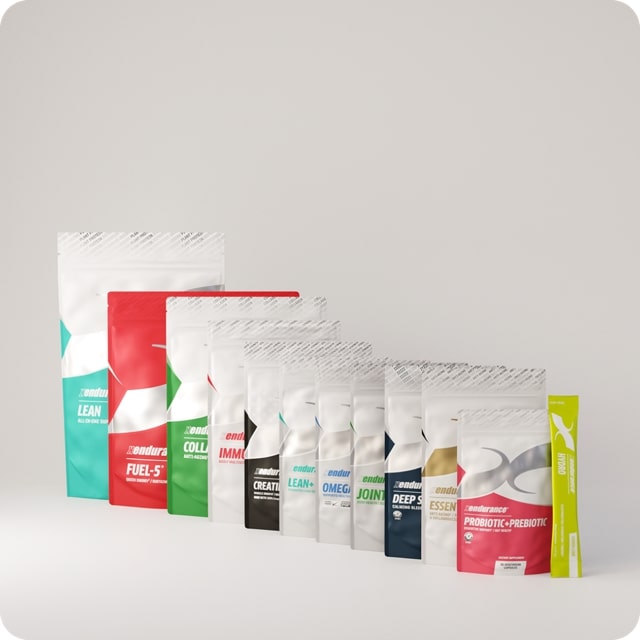
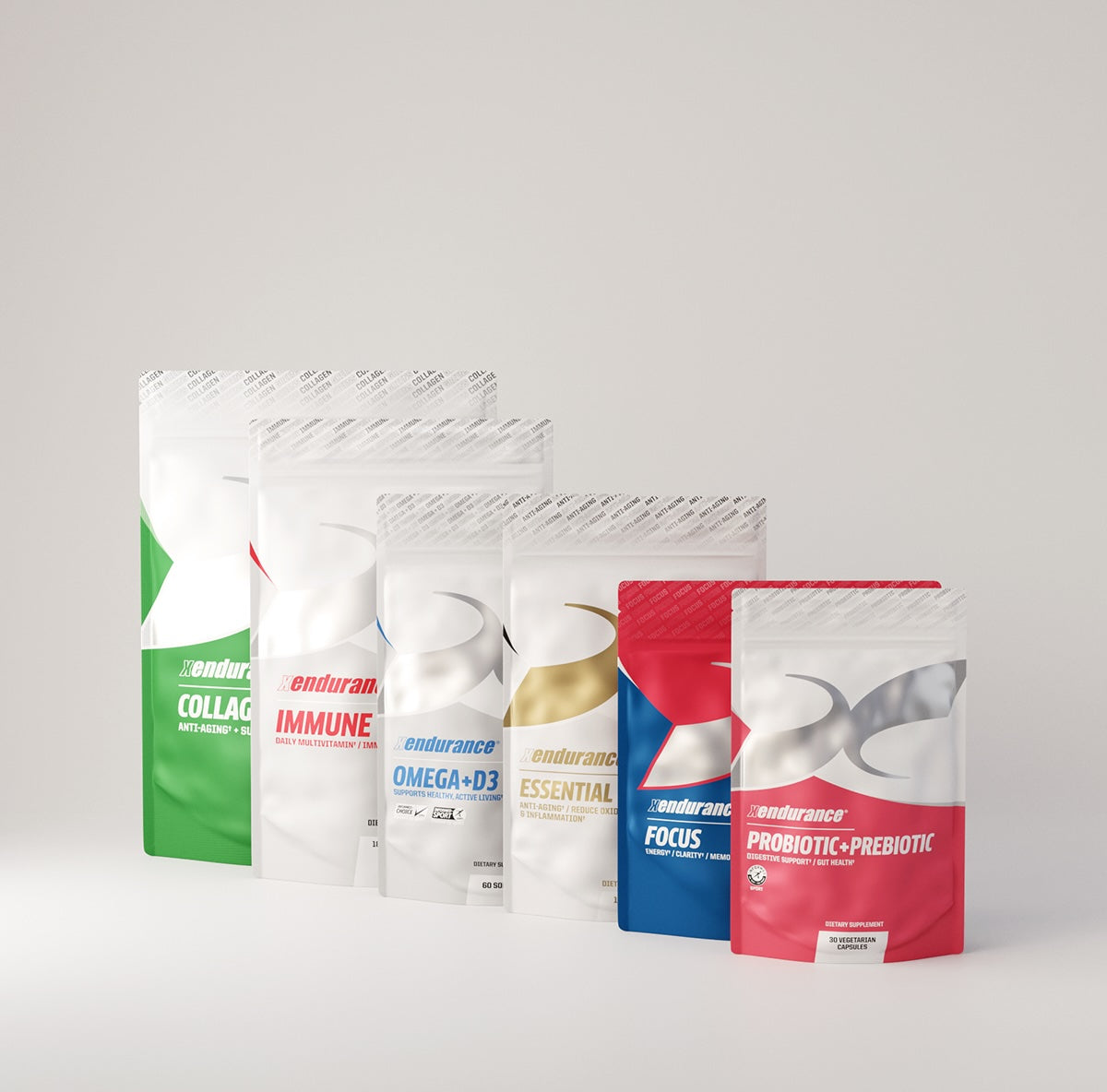
Xendurance’s Focus combines AlphaSize® Alpha-GPC with beet root powder (for blood flow/energy), green tea extract + L-theanine (calm focus, no jitters), and L-tyrosine (alertness, stress resilience). It’s Informed Sport certified, naturally flavored, and designed as a dual nootropic/pre-workout.
Users report clean energy, mental clarity within 20-30 minutes, reduced grogginess, and sustained focus without crash—ideal for training or cognitive work. It leverages AlphaSize’s acetylcholine boost for memory, concentration, and physical power.
In a market of jittery stimulants, this formulation emphasizes balanced, science-backed support.
Have you tried swapping coffee for a targeted nootropic like this?
Taking Action: Questions to Ask Yourself
- How old does my brain feel compared to my body?
- Am I prioritizing exercise, sleep, and brain-healthy foods?
- Could choline support (like AlphaSize) fit my routine safely?
- What small change today— a walk, better bedtime, or Focus supplement—might compound over the years?
Brain aging isn’t an inevitable decline. With evidence-based habits and tools, you can maintain sharpness longer. The science evolves, but the message is clear: proactive steps pay off.


コメントを書く
このサイトはhCaptchaによって保護されており、hCaptchaプライバシーポリシーおよび利用規約が適用されます。