




Fibermaxxing has taken over wellness conversations. What started as a TikTok catchphrase for loading up on fibrous foods has turned into a legitimate conversation about one of the biggest nutritional gaps in modern diets. Most adults average around 15 grams of fiber a day. Recommendations generally land between 25–28 grams for women and 30–38 grams for men, depending on age and calorie needs. The gap is real, and closing it delivers measurable benefits for digestion, metabolic health, and long-term resilience.
But fibermaxxing is only useful when it is done intelligently. Extreme jumps to 50+ grams overnight often backfire with bloating, gas, and discomfort. The better approach is gradual, varied, and paired with two non-negotiables that amplify its effects: consistent exercise and solid hydration. Add thoughtful supplementation that supports energy, recovery, and gut comfort, and you have a practical system rather than another short-lived trend.
Why Fiber Deserves the Spotlight
Dietary fiber is the indigestible portion of plant foods. Soluble fiber dissolves in water and forms a gel that slows digestion, helps regulate blood sugar, and feeds beneficial gut bacteria. Insoluble fiber adds bulk and supports regularity. Prebiotic fibers specifically nourish the microbiome, producing short-chain fatty acids that support the gut lining, reduce inflammation, and influence everything from immune function to metabolic health.
Most people fall short because modern diets lean heavily on refined foods. The result is a microbiome that is underfed. When gut microbes lack fiber, some begin feeding on the protective mucus lining of the intestine—an outcome researchers have described in blunt terms. Adequate fiber helps reverse that dynamic, supports cholesterol management, improves satiety, and contributes to steadier energy across the day. These are not fringe benefits. They are foundational.
The Smart Way to Increase Fiber
The key principle is pace, not volume. Adding roughly 5 grams per week gives the gut bacteria time to adapt. Spreading intake across meals prevents the fermentation surge that causes gas and cramping. Variety matters more than chasing a single high-fiber superfood. Aim for a mix of sources: oats, berries, beans, lentils, chia or flax seeds, vegetables, avocados, and whole grains.
A practical target for most active adults sits in the 25–35 gram range. That level captures the majority of documented benefits without unnecessary risk. Athletes and highly active people should periodize intake—slightly lower fiber in the hours before hard training or racing if they are sensitive, then restore it in recovery meals. Food first remains the priority. Supplements can help fill gaps, but isolated fibers (especially large doses of rapidly fermentable ones) are more likely to cause issues than a varied plate of real plants.
Where Exercise Fits In
Exercise and fiber form a productive partnership. Moderate, consistent activity improves gut motility, helping food move through the system more efficiently. Regular movement is associated with greater microbial diversity and higher production of beneficial short-chain fatty acids. For people dealing with sluggish digestion or mild constipation, walking, strength training, and steady-state cardio often provide noticeable relief.
High-intensity or prolonged endurance sessions create a different picture. Blood flow shifts toward working muscles and away from the gut. Core temperature rises. In some cases, intestinal permeability temporarily increases. These stresses explain why many endurance athletes report gastrointestinal symptoms during or after hard efforts. A well-fed, resilient gut—supported by adequate fiber over time—handles that stress better. Short-chain fatty acids help maintain the gut barrier. Steady blood sugar from fiber-rich meals supports energy availability. Reduced systemic inflammation aids recovery.
The practical takeaway is timing and periodization. Keep higher-fiber meals further from intense sessions if you are prone to GI distress. Use the hours after training to reintroduce fiber-rich recovery foods alongside protein and carbohydrates. Over weeks and months, the combination of training and consistent fiber intake tends to improve tolerance and overall gut function. Exercise does not replace fiber, and fiber does not replace training. Together they create a more adaptable system.
Hydration: The Quiet Multiplier
Fiber without enough fluid is incomplete. Soluble fiber absorbs water; insoluble fiber relies on fluid to move material through the colon. When intake rises without a matching increase in hydration, constipation or discomfort can follow. Research shows that pairing added fiber with higher fluid intake produces fewer abdominal symptoms and more favorable shifts in the microbiome compared with increasing fiber alone.
Basic daily hydration still matters most. A useful starting range for many adults is consistent intake throughout the day rather than large boluses. Active people and those who sweat heavily need more. Electrolyte balance becomes relevant during longer training sessions or hot conditions. Plain water works for most situations; purposeful hydration formulas that replace sodium and other electrolytes support both performance and gut comfort when losses are significant.
The synergy is straightforward. Adequate fluid lets fiber do its job of softening stool and feeding microbes. Dehydration during exercise amplifies gut stress. Staying ahead on fluids protects the system that fiber is trying to strengthen.
Strong Supplementation as Support, Not a Shortcut
Good supplementation fits cleanly into this picture when it respects the hierarchy: food first, then targeted support. High-quality options can help with energy stability, recovery, and the practical realities of an active life without undermining the fiber-exercise-hydration foundation.
Clean carbohydrate sources that deliver steady energy without excessive refined sugar or artificial additives complement the blood-sugar benefits of fiber. Hydration products that include electrolytes address the fluid demands of both higher fiber intake and training. Magnesium and other foundational nutrients often support muscle function, sleep, and regularity—indirectly reinforcing the same systems. Gut-supportive ingredients, when used thoughtfully, can assist the microbiome while the diet does the heavy lifting.
The emphasis remains on products that are transparent, well-formulated, and free of unnecessary stimulants or fillers. Supplementation works best when it fills specific gaps or solves real problems (energy availability during long efforts, electrolyte replacement, recovery support) rather than attempting to replace the benefits of plants, movement, and water.
Putting It Together
A workable daily pattern looks something like this:
- Start the day with a fiber-containing breakfast (oats or whole-grain options plus fruit and seeds).
- Include vegetables, legumes, or whole grains at lunch and dinner.
- Snack on fiber-rich options when needed rather than relying solely on refined choices.
- Train consistently, mixing intensity with recovery.
- Drink fluids steadily and increase them around workouts and higher-fiber meals.
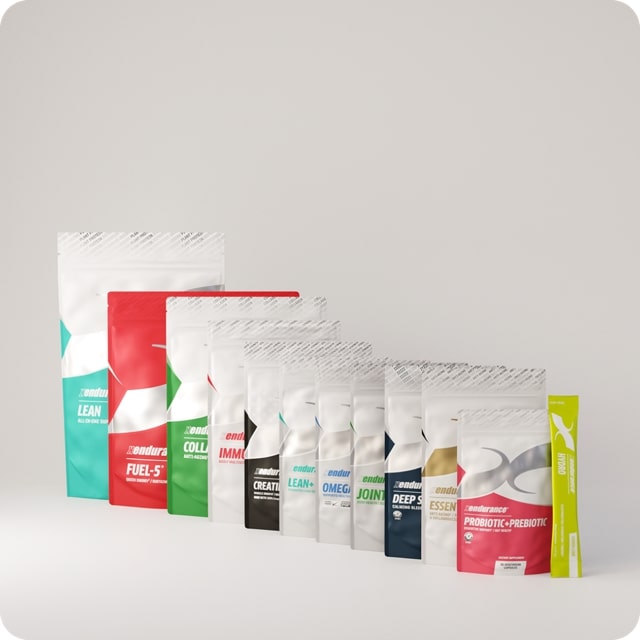
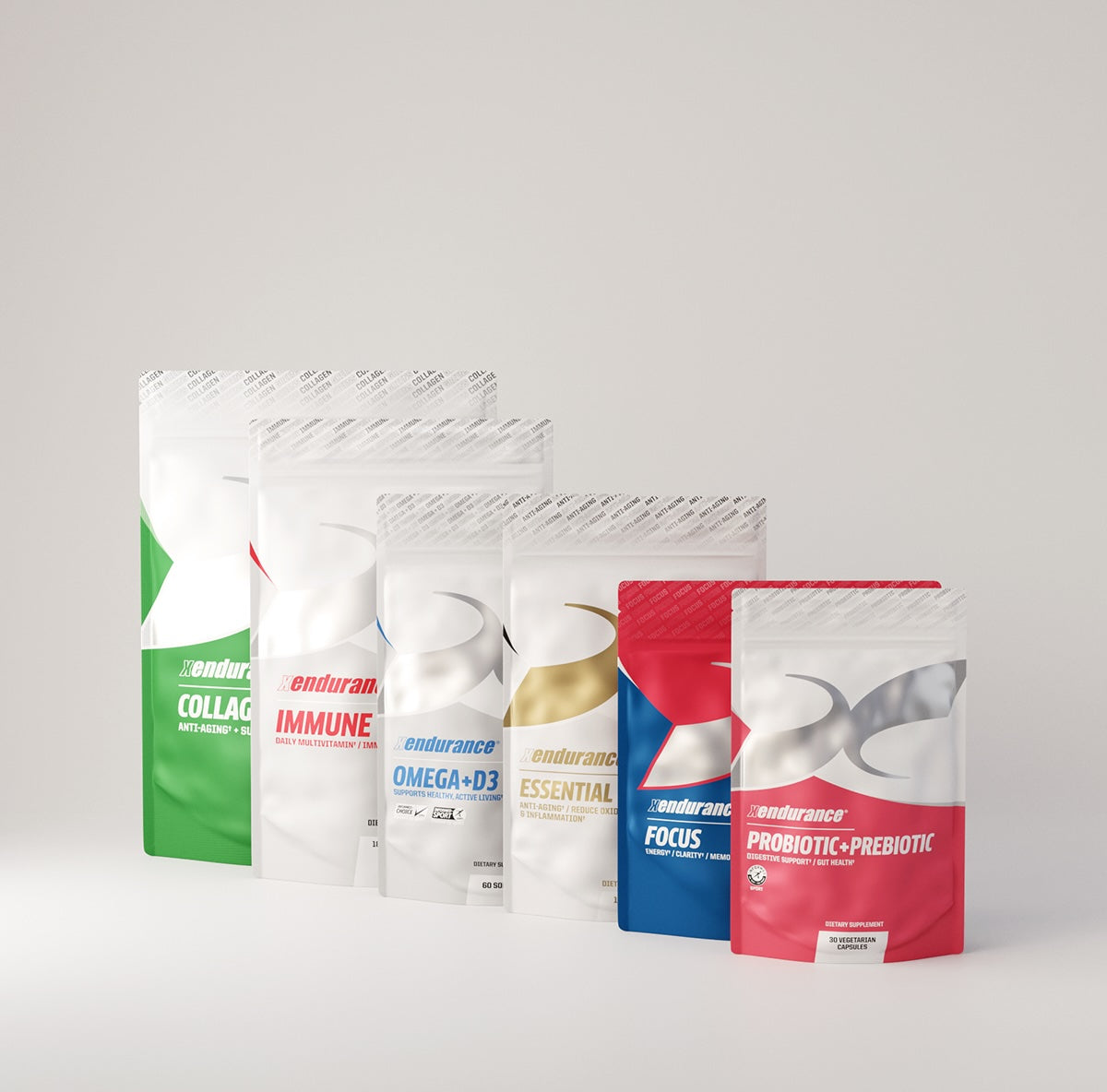
- Use targeted supplements, such as the Xendurance formulas, to support energy, hydration, and recovery as training load demands.
Track how you feel. Bloating that persists usually signals the need to slow the fiber increase or adjust timing. Energy that stays steadier across the day is a positive signal. Regularity that improves without urgency is another.
Fibermaxxing is not about chasing the highest number possible. It is about closing a widespread deficiency in a way that supports the gut, stabilizes energy, and pairs naturally with the two behaviors that already define good health—moving the body and staying hydrated. When those three elements work together, and when supplementation is chosen to reinforce rather than replace them, the result is a more resilient foundation for both everyday wellness and performance.
The trend may have a flashy name, but the underlying advice is durable: eat more plants, move regularly, drink enough water, and support the system with quality tools when needed. That combination has outlasted far flashier nutrition fads, and it is likely to keep delivering results long after the hashtag fades.



Leave a comment
This site is protected by hCaptcha and the hCaptcha Privacy Policy and Terms of Service apply.