




Imagine your body as a bustling city under constant siege. Traffic jams of stress, processed foods, and environmental toxins trigger low-grade fires—chronic inflammation—that quietly damage arteries, joints, brain cells, and more. Over time, these fires fuel heart disease, arthritis, diabetes, and even mood disorders.
The good news? Your diet can call in reinforcements. One of the most powerful is a humble golden spice that’s been used in Ayurvedic medicine for over 4,000 years: turmeric.
Far from a passing wellness fad, turmeric (and its superstar compound, curcumin) is backed by modern science as a potent ally in the fight against inflammation. In this deep dive, we’ll explore what turmeric really is, why it’s a game-changer for better health, the everyday foods where it shines, whether it deserves a spot in your multivitamin, smart dosage strategies, and the latest 2024–2025 studies proving its benefits. If you’re chasing more energy, less pain, sharper focus, and long-term vitality, read on—your kitchen (and your future self) will thank you.
What Exactly Is Turmeric?
Turmeric comes from the underground rhizome (root) of Curcuma longa, a bright-orange member of the ginger family native to India and Southeast Asia. When dried and ground, it becomes the vibrant yellow-orange powder that colors curries and mustard. Fresh turmeric root looks like ginger but with thinner skin and a more earthy, slightly bitter flavor with citrusy notes.
Its magic lies in curcumin, the polyphenol responsible for both its color and its anti-inflammatory firepower. Standard turmeric powder contains just 2–6% curcumin by weight, but specialized varieties like India’s Lakadong turmeric can reach 7–12%.
Other related species, such as Curcuma xanthorrhiza, show even higher curcumin yields in research settings. For cooking, any good-quality ground turmeric or fresh root works wonders. For therapeutic effects, most studies focus on concentrated curcumin extracts.
Think of curcumin as your body’s natural firefighter. It doesn’t just douse flames—it reprograms the signals that start them in the first place.
The Inflammation Epidemic—and Why Diet Matters
Acute inflammation is lifesaving: it’s your immune system rushing to heal a cut or fight an infection. Chronic inflammation, however, is the villain. It simmers silently, driven by poor diet, inactivity, and stress, and is now linked to 60% of deaths worldwide through conditions like cardiovascular disease, type 2 diabetes, arthritis, neurodegenerative disorders, and certain cancers.
An anti-inflammatory diet isn’t about deprivation—it’s about flooding your system with protective compounds from whole foods. Leafy greens, berries, fatty fish, nuts, olive oil, and yes, turmeric work together to lower inflammatory markers (CRP, IL-6, TNF-α) while boosting antioxidants. Turmeric stands out because it targets multiple pathways at once, making it a high-ROI addition to any plate.
Turmeric’s Top Benefits: More Than Just a Pretty Powder
1. Potent Anti-Inflammatory Action
Curcumin blocks NF-κB, a master switch for inflammation genes. Human trials show it rivals some NSAIDs for reducing swelling and pain—without the gut-damaging side effects.
2. Joint Health and Arthritis Relief
If your knees creak or fingers ache, turmeric may help. Meta-analyses confirm it eases osteoarthritis and rheumatoid arthritis symptoms, improving mobility and sometimes reducing the need for pain meds.
3. Heart-Protective Power
A 2025 randomized trial of 72 people with type 2 diabetes and high atherosclerotic cardiovascular disease (ASCVD) risk found 1,500 mg daily turmeric curcumin lowered systolic and diastolic blood pressure, reduced LDL cholesterol and inflammation markers (TNF-α), raised HDL, and improved overall ASCVD risk scores. No major changes in blood sugar, but the heart benefits were impressive.
4. Brain and Mood Support
Curcumin crosses the blood-brain barrier, increasing BDNF (brain-derived neurotrophic factor)—your brain’s fertilizer for new neurons. Emerging 2025 reviews highlight its role in calming neuroinflammation linked to depression, anxiety, and even stroke recovery.
5. Blood-Sugar and Metabolic Balance
Beyond the 2025 diabetes study, umbrella reviews show turmeric improves insulin sensitivity, lowers fasting glucose in metabolic syndrome, and supports modest weight management—key for preventing the inflammation-diabetes vicious cycle.
6. Antioxidant Defense and Gut Health
It neutralizes free radicals and activates your body’s own antioxidant enzymes. Traditional use for digestion is now supported by trials showing benefits for IBS and ulcerative colitis remission.
7. Bonus Perks
Early data suggest faster muscle recovery after exercise, potential skin and eye health support, and even complementary roles in cancer prevention (though far from a cure).
These aren’t isolated effects. Turmeric works holistically, which is why it feels like a daily upgrade rather than a quick fix.
Spotlight on Recent Science (2024–2025)
Science moves fast, and turmeric research is booming. A 2025 narrative review in Frontiers in Pharmacology detailed curcumin’s anti-inflammatory effects on neurological disorders, showing it mitigates white-matter injury after stroke by dialing down NF-κB.
That same year, the diabetes-ASCVD trial delivered real-world clinical improvements in blood pressure and lipids—outcomes that matter for everyday heart health.
A massive 2023–2024 scoping review of dozens of human trials (including meta-analyses on rheumatoid arthritis, glycemic control, and body weight) confirmed consistent benefits for arthritis pain, cholesterol profiles, and blood sugar—especially when curcumin is bioavailable. NutritionFacts.org’s 2026 analysis of these trials highlighted where turmeric shines (joints, metabolism) and where results are more modest (some cancer markers).
A 2025 traditional Chinese medicine review reinforced turmeric’s synergy with other herbs for chronic inflammatory conditions like rheumatoid arthritis and cardiovascular disease.
Bottom line: These aren’t petri-dish fantasies. Real people in controlled trials are experiencing measurable improvements.
Turmeric in Your Everyday Foods
You don’t need a supplement to start. Turmeric shines in:
- Curries and stews – The classic vehicle.
- Golden milk – Warm milk (dairy or plant-based) simmered with turmeric, ginger, cinnamon, and black pepper.
- Rice, quinoa, or roasted veggies – A pinch transforms plain sides.
- Soups, eggs, smoothies, and salad dressings – Even a teaspoon adds color and zing.
- Mustards, pickles, and marinades – Commercial versions often contain it.
- Baked goods and lattes – Modern cafés now offer turmeric-ginger shots.
Pro tip: Pair it with healthy fat (olive oil, avocado, coconut milk) and black pepper. Piperine in black pepper boosts curcumin absorption by up to 2,000%!
Try this quick recipe: Anti-Inflammatory Golden Chickpea Stir-Fry
Sauté chickpeas, spinach, and cauliflower in olive oil with 1 tsp turmeric, ½ tsp black pepper, garlic, and cumin. Finish with lemon. Ten minutes, anti-inflammatory magic.
Should Turmeric Be in Your Multivitamin? Dosages That Matter
Standard multivitamins don’t always include turmeric, but when they do, even a modest 100 mg amount can be a smart starting point. That small daily dose provides a convenient nutritional foundation—especially when paired with turmeric-rich foods throughout your day. Think of it as gentle, consistent support that complements the powerful anti-inflammatory effects you get from cooking with the spice.
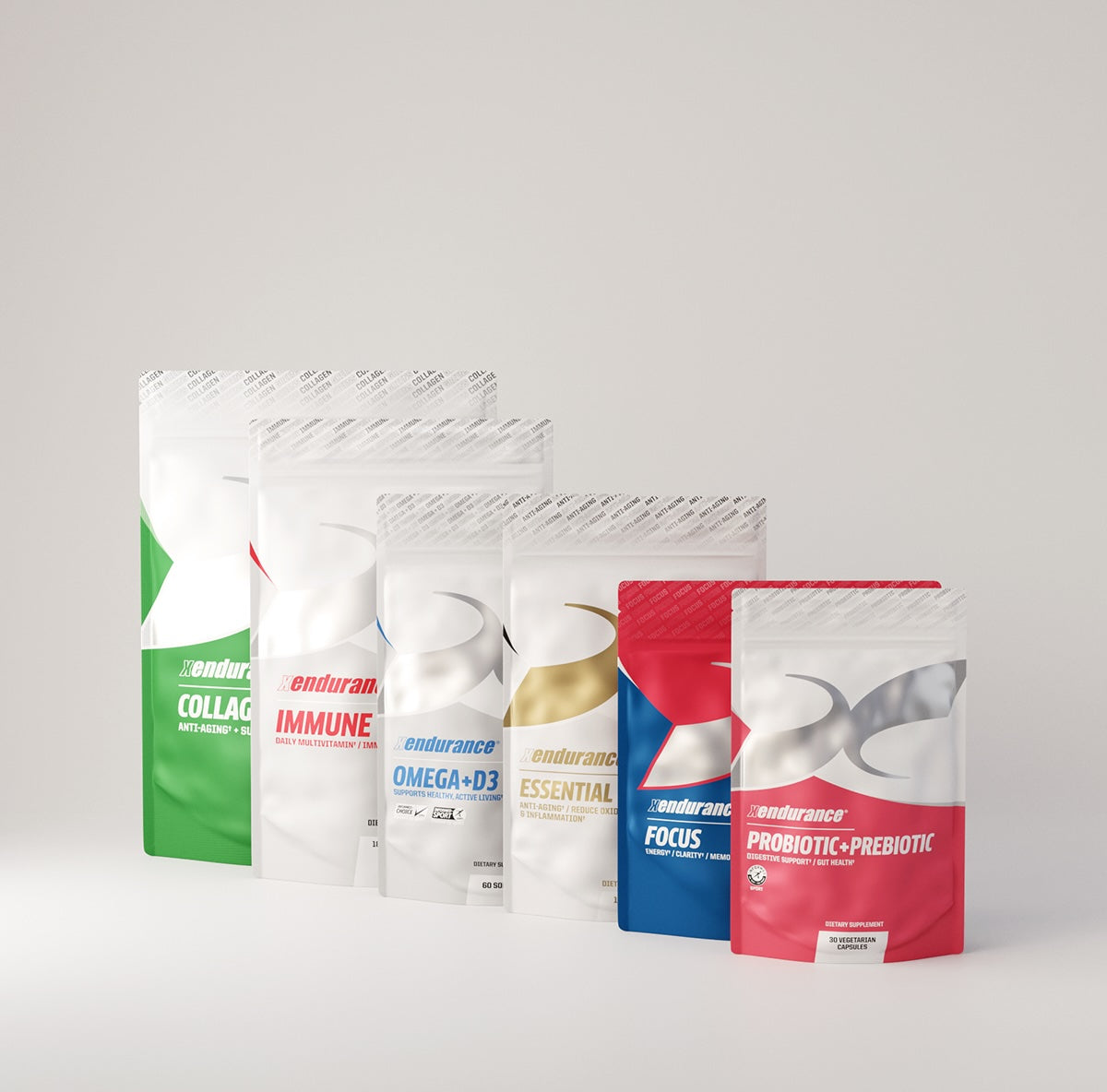
A great example is Xendurance’s Immune Boost, which delivers 100 mg of turmeric per serving alongside other immune-supporting nutrients. For many people building a better daily diet, this low-dose approach in a quality multi or targeted formula offers a reliable baseline without overcomplicating things. You can easily amplify the benefits by adding culinary turmeric to meals, golden milk, or smoothies—creating a well-rounded, food-first strategy that feels sustainable and effective.
Recommended dosages depend on your goals:
Everyday maintenance: ½–1 teaspoon (about 1–3 grams) of turmeric powder in food, plus 100 mg from a supplement = an excellent daily foundation.
Targeted support: 500–2,000 mg of concentrated curcumin per day (standardized extracts) for more noticeable joint, metabolic, or inflammatory support. Look for formulas enhanced with piperine (black pepper) or liposomal technology for superior absorption.
Dosage does matter, but consistency matters more. Starting with a modest amount in your multivitamin or immune formula, then layering in real food sources, is one of the most practical and enjoyable ways to make turmeric a lifelong habit.
Turmeric is generally safe, but high doses can cause mild stomach upset. People on blood thinners, diabetes meds, or with gallstones should check with a doctor. Quality matters—choose third-party tested supplements to avoid contaminants.
Golden Days Ahead: Make Turmeric Your Daily Ally
Turmeric isn’t just another trendy spice. It’s a time-tested, science-backed tool that fits beautifully into real life—whether you’re stirring it into soup or swallowing a supplement with breakfast. By making it a regular part of your anti-inflammatory diet, you’re giving your body the tools to quiet the fires, protect your heart, ease your joints, and keep your mind sharp for decades to come.


Leave a comment
This site is protected by hCaptcha and the hCaptcha Privacy Policy and Terms of Service apply.