



Imagine waking up on your 100th birthday—sharp, energetic, and still chasing adventures. No walkers, no pill organizers the size of a toolbox. Just vibrant healthspan, the kind that turns “living longer” into “living better.”
We all want it. Science says it’s within reach. But there’s a catch: your genes set an upper limit around 105 to 120 years. The good news? A healthy 100 isn’t a fantasy—it’s a realistic, evidence-based goal. And one of the most intriguing preservation strategies gaining traction? Banking your own blood for future infusions.
Yes, your blood. Stored now, potentially used later to combat the cellular wear-and-tear of aging. It sounds like sci-fi, but the biology is real, the research is accelerating, and the first step starts with making that blood as healthy as possible before you bank it.
Let’s dive into the science, the future, and the practical playbook—including a standout natural option called Blood Fuel from Xendurance that may help prime your blood for the long game.
The Genetic Upper Limit: Why 120 Feels Like the Wall (For Now)
For decades, experts debated how much of our lifespan is hard-wired. Twin studies once pegged genetic influence at a modest 20-25%. Then came a bombshell 2026 study in Science from the Weizmann Institute. Researchers separated “intrinsic” aging deaths (chronic disease, cellular breakdown) from “extrinsic” ones (accidents, infections). The result? Genetics shape about 55% of how long we live—more than double previous estimates and perfectly in line with what we see in lab animals.
In plain English: your DNA loads the gun, but lifestyle pulls the trigger.
The ceiling itself hasn’t budged much. The longest verified human life remains 122 years (Jeanne Calment, 1997). Mortality data shows risk skyrockets after 105–110, with centenarians hitting what experts call the “wall of 120.” Even as average life expectancy doubled in the last 150 years thanks to sanitation and medicine, the maximum lifespan barely moved. Genes appear to cap us there—for now.
Yet 100? Totally doable. Blue Zones research (Sardinia, Okinawa, Loma Linda) shows people routinely reach it with plant-heavy diets, movement, purpose, and strong social ties. Recent modeling suggests that if we optimize the “everything else” (the 45% non-genetic slice), we can push most of us toward that healthy century mark without waiting for immortality tech.
The question isn’t “Can we live forever?” It’s “How do we stack the deck so our final decades feel like our prime?”
Preservation Strategies: Banking Your Blood as a Longevity Insurance Policy
Enter blood banking—the strategy that feels equal parts practical and futuristic.
Traditional autologous blood donation (storing your own blood) has been around for decades, mainly for scheduled surgeries. You donate, it’s frozen or refrigerated, and you get it back if needed. No risk of mismatched blood types or transfusion reactions. Simple.
But longevity circles are eyeing a bigger play: banking now for future regenerative infusions. The idea stems from fascinating research on blood as an aging driver. As we get older, plasma (the liquid part of blood) accumulates inflammatory proteins, damaged molecules, and “senescent” signals that accelerate decline everywhere—from brain fog to muscle loss.
Animal studies are compelling. Young blood or plasma infusions have reversed aspects of aging in old mice: better muscle repair, sharper cognition, and even longer lifespans in some trials. Human work is earlier-stage but promising. Therapeutic plasma exchange (TPE)—filtering out old plasma and replacing it—has shown biomarker improvements in small trials of healthy older adults. One 2025 study found reduced age-related compounds after a few sessions. Biohackers like Bryan Johnson have experimented with multi-generational plasma swaps, and experts like Andrew Huberman have openly discussed banking their own blood as a hedge against future breakthroughs.
The FDA remains cautious—unproven “young plasma” clinics have drawn warnings—but autologous (your-own) banking sidesteps donor ethics entirely. Store your peak-health blood now. Later, when tech advances (think refined plasma fractions, exosome therapies, or AI-designed rejuvenation cocktails), reinfuse the version of you that was biologically younger.
It’s not a guarantee of immortality. Storage limits exist (standard red cells last ~42 days liquid; specialized cryopreservation can extend that). But as regenerative medicine matures, early adopters who banked smartly could gain a real edge. Everyone wants to live to 100. This is one future tool that may be added to the kit.
The Missing Piece: If Storing Blood Becomes The Norm, Make It the Healthiest Version Possible
Here’s where curiosity meets action. Banking mediocre blood is like saving a half-eaten sandwich for later—you might regret it. The quality of stored blood matters. “Storage lesions” (oxidative damage, reduced oxygen-carrying capacity) can develop over time. Starting with pristine blood gives future-you the best shot.
Optimizing blood health before donation or banking isn’t rocket science, but it’s grounded in hematology and longevity science.
Focus on four pillars:
- Build a rock-solid foundation of red blood cell health. Hemoglobin needs to be optimal (men ≥13 g/dL, women ≥12.5 g/dL for donation eligibility). Iron is king—low stores doom donations. Eat iron-rich foods (lean meats, spinach, lentils) paired with vitamin C for absorption. Many autologous donors are prescribed iron supplements pre-donation to prevent temporary anemia.
- Slash inflammation and oxidative stress. Chronic low-grade inflammation (“inflammaging”) gums up plasma with junk proteins. Antioxidants help. A nutrient-dense diet loaded with polyphenols fights this at the source.
- Boost circulation and oxygen delivery. Nitric oxide (NO) is your blood’s natural vasodilator—it widens vessels, improves flow, and helps every tissue get what it needs. Exercise (aerobic + resistance) naturally ramps it up. So do targeted foods.
- Support recovery and cellular protection. Sleep 7–9 hours, manage stress, stay hydrated, and avoid smoking or excess alcohol. These keep your blood “younger” at the molecular level—lower advanced glycation end-products, better mitochondrial function in red cells.
Do this consistently, and in the future, your banked blood isn’t just a backup—it’s a premium vintage.
Enter Blood Fuel: A Natural Nitric-Oxide Powerhouse from Xendurance
If you’re serious about one day pre-banking optimization, start looking for good Blood Fuel - now. Educate yourself. There is nothing wrong with a smart centenarian.
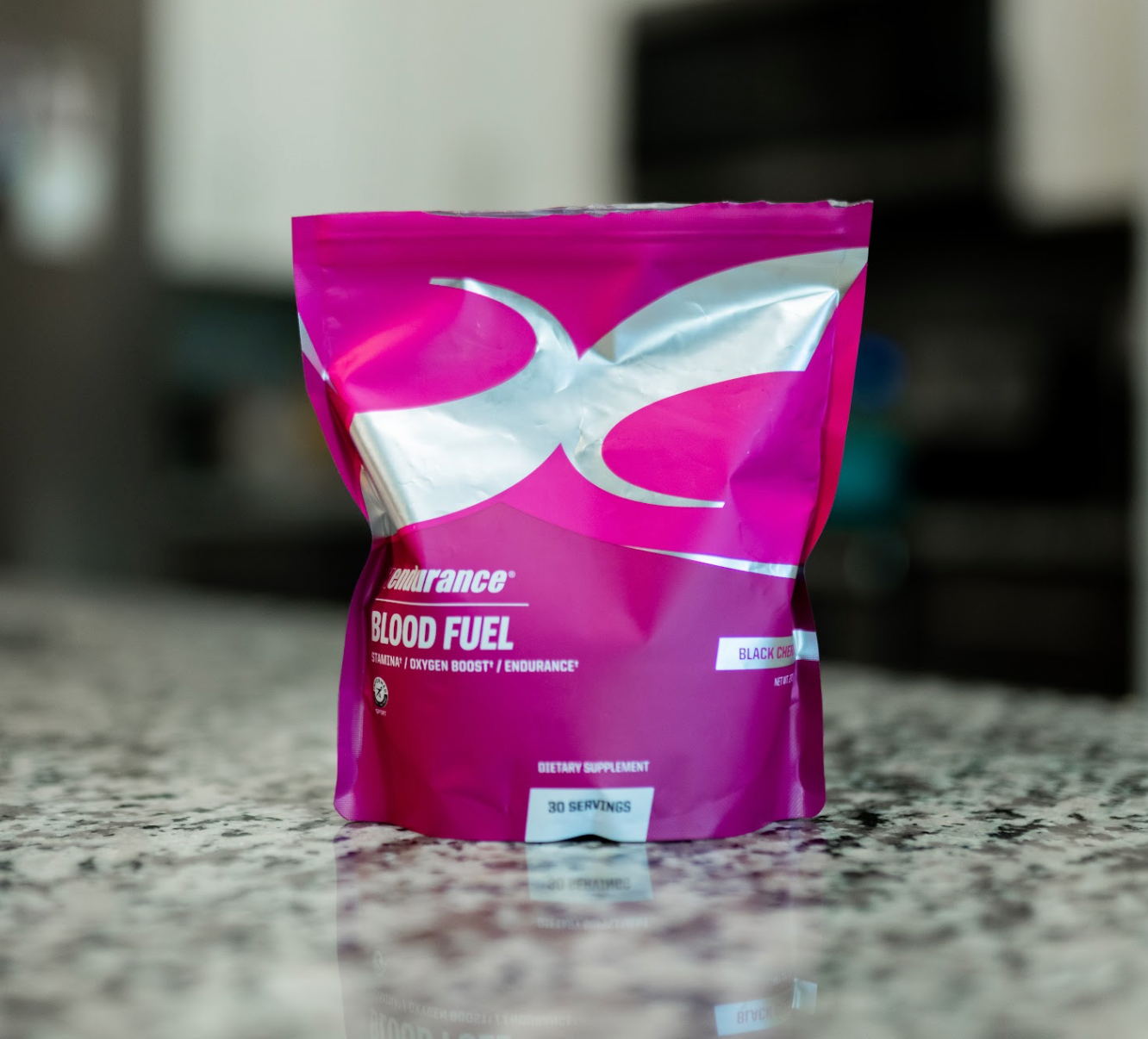
At its core, this nutrient-dense supplement, just happens to be called Blood Fuel, and is a 5-gram clinical dose of organic beetroot powder—the gold standard for raising nitric oxide. Beetroot’s nitrates convert to NO in the body, proven in dozens of studies to enhance blood flow, oxygen utilization, and endurance. Athletes use it for performance; longevity enthusiasts love it for cardiovascular resilience and reduced vascular stiffness with age.
But Blood Fuel doesn’t stop at beets. It layers in:
- Tart cherry for potent anti-inflammatory anthocyanins that speed recovery and lower exercise-induced oxidative damage.
- Pomegranate and blueberry extracts packed with ellagic acid and anthocyanidins—elite antioxidants that protect blood cells and combat inflammaging.
- Lemon powder for natural vitamin C and digestion support, aiding iron absorption and immune balance.
No fillers, no synthetic junk—just whole-food synergy designed for both high-output training and daily longevity. Users report sustained energy, better stamina, and faster recovery—exactly the biomarkers you want elevated before blood banking. Think of it as “blood insurance”: improved flow today means higher-quality plasma and red cells tomorrow. The science on its key ingredients—especially beetroot nitrates—is rock-solid and aligns perfectly with blood-optimization goals.)
Your 100-Year Playbook: Start Storing Smart
So, is blood banking right for you? Is it even feasible now? If you’re already optimizing sleep, nutrition, and movement, it’s a forward-thinking add-on—especially if you have the means and access to reputable autologous programs.
Pair it with the basics:
- Daily movement (zone 2 cardio + strength).
- A Mediterranean-style diet heavy on colorful plants.
- Consistent sleep and stress tools.
- Targeted support like Blood Fuel to keep nitric oxide humming and inflammation in check.
Genetics load the dice, but you still roll them. A 55% heritability estimate doesn’t mean surrender—it means celebrate the controllable half.
One day, the 100-year healthy milestone might feel ordinary. Until then, plan wisely. Optimize relentlessly. And remember: the blood you may bank someday could be the fuel that carries you through your second century.


Leave a comment
This site is protected by hCaptcha and the hCaptcha Privacy Policy and Terms of Service apply.