



In January 2026, the U.S. Department of Health and Human Services (HHS) and the Department of Agriculture (USDA) released the Dietary Guidelines for Americans 2025–2030, introducing one of the most significant shifts in nutritional policy in decades. The familiar MyPlate has been replaced by an inverted food pyramid that places protein, dairy, and healthy fats at the wide top, signaling that these should form the foundation of daily eating.
Vegetables and fruits share prominent space alongside them, while whole grains have been narrowed to a small point at the bottom. This “real food first” approach, aligned with the Make America Healthy Again initiative, explicitly prioritizes high-quality, nutrient-dense protein at every meal and discourages ultra-processed foods and added sugars.
The change reflects growing scientific consensus that previous dietary patterns—often heavy on refined carbohydrates—contributed to rising rates of obesity, type 2 diabetes, and metabolic dysfunction. By flipping the pyramid, the guidelines aim to restore metabolic health, support muscle maintenance, improve satiety, and promote long-term vitality. Protein is no longer an afterthought; it is now positioned as the anchor of the modern American plate.
The Protein Elevation: New Intake Recommendations Explained
One of the most talked-about updates is the increase in recommended protein intake. The previous minimum RDA was approximately 0.8 grams per kilogram of body weight—roughly 54 grams per day for a 150-pound (68 kg) person. The 2025–2030 guidelines raise this to 1.2–1.6 grams per kilogram, translating to 82–109 grams daily for the same individual. For many people, especially those who are active, older, or managing weight, this represents a 50–100% increase.
The rationale is evidence-based: higher protein supports muscle protein synthesis, preserves lean mass during aging or calorie restriction, enhances immune function, stabilizes blood sugar, and increases feelings of fullness, which can help prevent overeating. The guidelines emphasize consuming high-quality protein at every meal—breakfast, lunch, dinner, and even snacks—to maintain steady amino acid availability throughout the day.
“High-quality” refers to proteins that provide all nine essential amino acids in adequate amounts and are highly bioavailable. “Nutrient-dense” means the protein source also delivers vitamins, minerals, and beneficial fats rather than empty calories. The focus is on whole-food sources rather than relying solely on isolated supplements, though supplements remain a practical tool for hitting targets.
Recommended Protein Sources and What to Avoid
The guidelines promote a broad range of protein-rich foods:
Animal-based sources: Eggs (excellent source of choline and complete protein), poultry (lean and versatile), seafood (rich in omega-3 fatty acids), red meat (high in iron, zinc, and B12), and full-fat dairy (yogurt, cheese, milk—providing calcium, probiotics, and conjugated linoleic acid).
Plant-based sources: Beans and lentils (high in fiber and folate), nuts and seeds (healthy fats and micronutrients), soy products like tofu and tempeh (complete proteins), and peas.
The emphasis is on variety to ensure a full spectrum of nutrients. The guidelines discourage ultra-processed protein products—such as many plant-based “meats” or bars—that often contain high levels of sodium, refined oils, additives, and hidden sugars. Added sugars receive strong condemnation: none for children under four, and strict limits for everyone else, with sugary beverages called out as particularly problematic.
This approach ends the long-standing low-fat era for whole foods. Saturated fats in eggs, red meat, and full-fat dairy are no longer treated as primary villains when consumed as part of a nutrient-dense diet.
Why Protein is Trending So Hard in 2026
Protein’s prominence in the new pyramid has amplified existing consumer interest into a full-blown cultural moment. High-protein versions of everyday foods—lattes, cereals, pancakes, even ice cream—are flying off shelves. Social media is flooded with “protein-first” meal ideas, and influencers are showcasing ways to hit 100+ grams daily without feeling deprived.
Several converging trends are fueling the surge:
GLP-1 medication synergy: Medications like semaglutide (Ozempic, Wegovy) suppress appetite and promote weight loss, but can lead to muscle loss if protein and resistance training are inadequate. Higher protein intake helps preserve lean mass, supports satiety during reduced-calorie phases, and stabilizes energy.
Active aging and longevity: With an aging population, protein is increasingly viewed as essential for combating sarcopenia (age-related muscle loss), maintaining bone density, and supporting cognitive function. Pairing protein with resistance exercise is now a mainstream recommendation for healthspan.
Women’s health focus: Protein is gaining attention for supporting energy, hormone balance, and bone health during perimenopause and menopause.
Performance and recovery: Beyond bodybuilding, creatine, electrolytes, and protein are being combined in functional blends for everyday energy, brain health, and faster recovery.
Protein remains the dominant macronutrient narrative in 2026, outpacing even fiber (sometimes called “the next protein”) in consumer searches and product innovation.
Premium Protein Supplementation: Spotlight on Xendurance
While whole foods are the cornerstone, hitting 1.2–1.6 g/kg consistently can be challenging on busy days or during travel. This is where high-quality supplements shine.
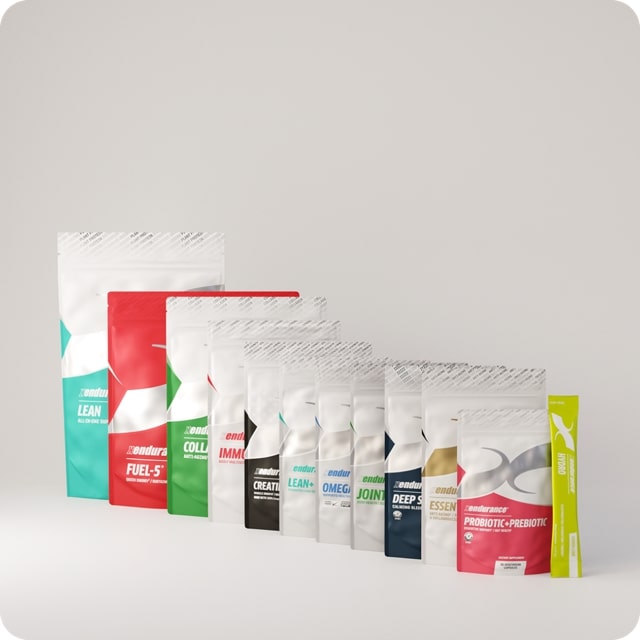
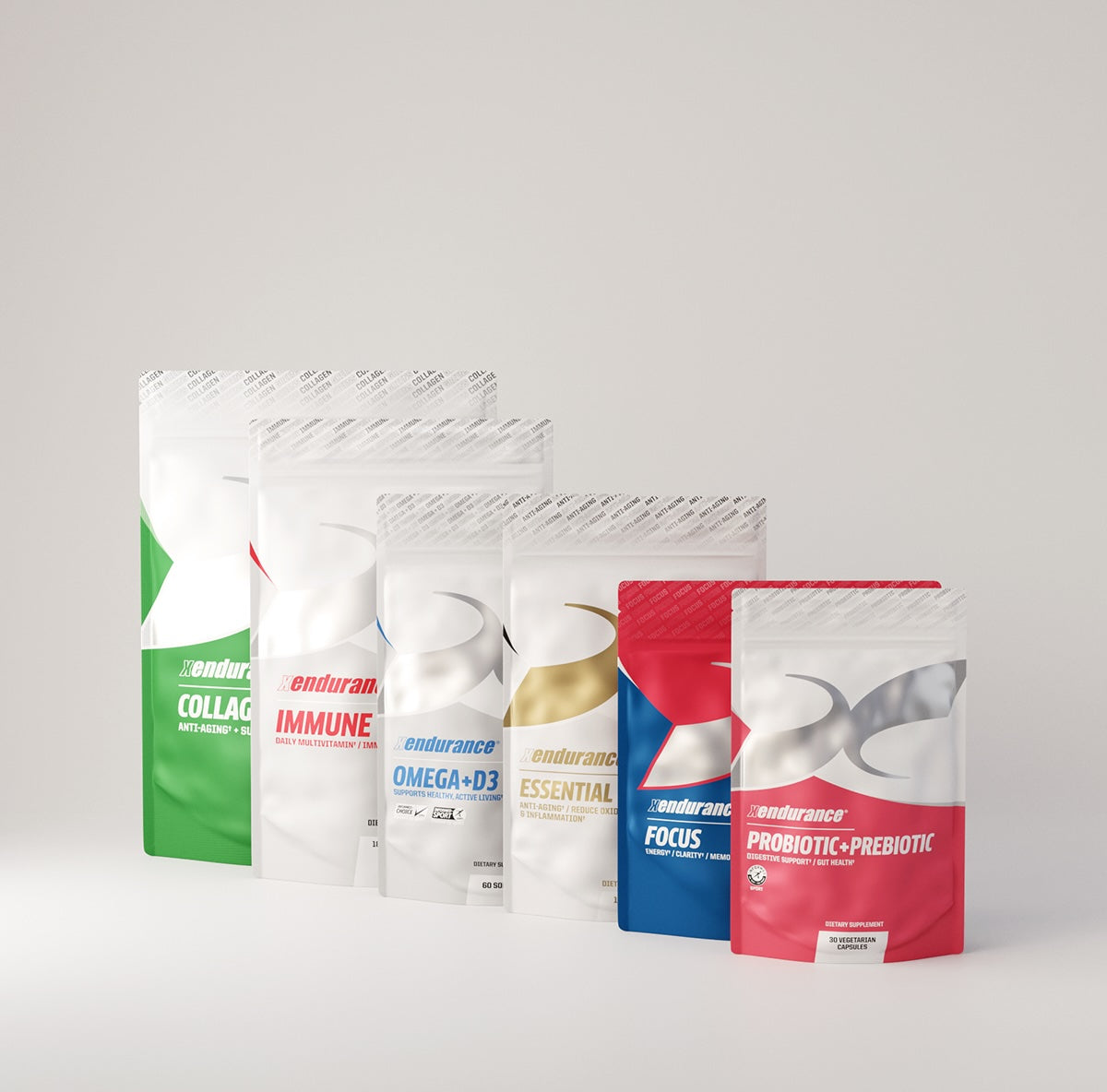
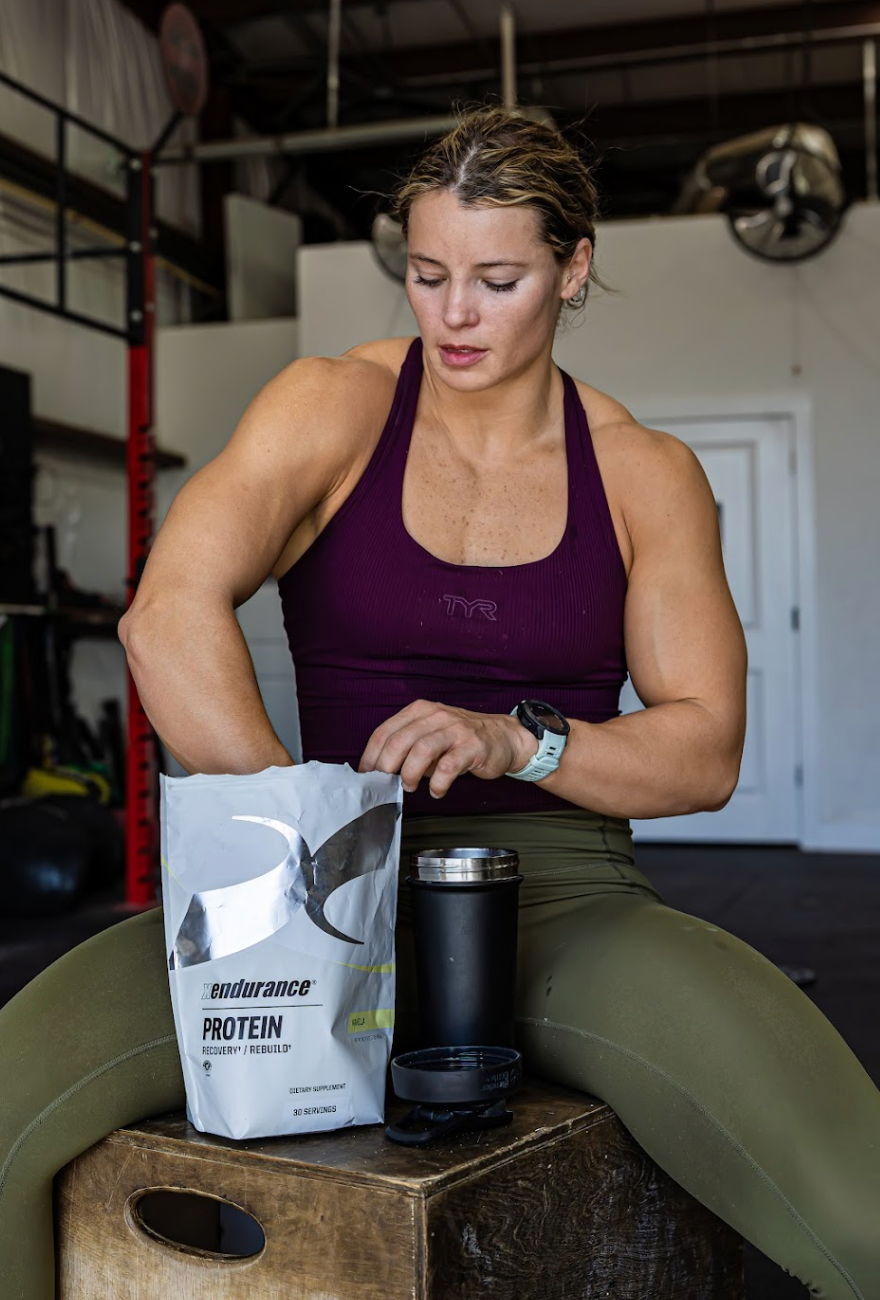
Xendurance Protein is formulated specifically for rapid and sustained absorption. It combines four protein sources: over 70% whey hydrolysate (pre-digested for fastest uptake), whey isolate (fast-acting), micellar casein, and calcium caseinate (slow-release for hours-long amino acid delivery). The blend delivers 18 amino acids, including a robust profile of branched-chain amino acids (BCAAs), and includes lactate to support energy during and after activity.
Key advantages include accelerated muscle repair, reduced post-exercise soreness, and improved endurance. Unlike single-source whey powders, the multi-phase release aligns well with the new guidelines’ call for protein distribution across meals. It contains no artificial sweeteners or unnecessary fillers, making it a clean addition to a real-food-focused diet.
Practical Ways to Incorporate More Protein Daily
Meeting the new targets doesn’t require overhauling your life. Start with these simple strategies:
Breakfast: Aim for 25–35 grams. Examples include eggs with spinach and avocado, Greek yogurt topped with nuts and berries, or a smoothie blending Xendurance Protein, full-fat milk or kefir, and fruit.
Lunch and dinner: Build plates around 30–40 grams of protein—grilled chicken or salmon with vegetables, beef stir-fry with broccoli, or lentil stew with cheese.
Snacks: 15–25 grams between meals. Cottage cheese with tomatoes, hard-boiled eggs, a handful of almonds, or a shake made with Xendurance Protein and almond butter.
Post-workout: Within 30–60 minutes, consume 20–40 grams of fast-digesting protein (e.g., Xendurance shake) to maximize recovery.
Quick recipe ideas:
High-Protein Morning Shake: 1–2 scoops Xendurance vanilla or chocolate, 1 cup full-fat Greek yogurt, a handful of berries, tablespoon of chia seeds.
Evening Recovery Bowl: Xendurance mixed into warm oatmeal with peanut butter, cinnamon, and a few walnuts for slow-release protein overnight.
Final Thoughts: A Protein-Centered Future
The 2026 Dietary Guidelines represent more than a cosmetic change—they signal a return to nutrient-dense, satiating foods that support real health outcomes. By placing protein at the top of the inverted pyramid and raising intake targets, the recommendations offer a practical roadmap for better energy, stronger muscles, healthier aging, and improved metabolic function.
The message is clear: prioritize protein from whole foods, distribute it evenly across meals, and use clean supplements like Xendurance when convenience matters. Small, consistent changes—starting with one extra protein-rich meal or shake per day—can compound into meaningful improvements over time.
The protein revolution is here. Embrace it, and your body will feel the difference.


Leave a comment
This site is protected by hCaptcha and the hCaptcha Privacy Policy and Terms of Service apply.