




Welcome to the Protein-Maxxing Era, where your morning coffee now foams like a protein shake, your snacks could bench-press your old snacks, and even the water aisle is flexing. If you’ve opened TikTok, Instagram, or wandered into a grocery store lately, you’ve felt it: protein isn’t just a macronutrient anymore—it’s a lifestyle, a personality trait, and apparently the solution to every modern problem short of world peace.
If you have someone who’s spent years in the endurance and functional foods space, you’ve watched this trend go from niche gym bro territory to full cultural takeover. It’s equal parts hilarious, impressive, and occasionally concerning. So let’s break it down with science, a few laughs, and zero bro-science. By the end, you’ll know if you should join the maxxers or just keep things… moderately jacked.
Why Is Protein Suddenly Everywhere?
Protein-maxxing didn’t appear overnight. Its roots trace back decades—low-carb diets in the ’90s and early 2000s made it the darling of weight-loss circles—but the current explosion is pure 2020s chaos.
Social media supercharged it. TikTok recipes for “cottage cheese ice cream” (yes, that’s a thing) and “protein popcorn” racked up millions of views. Influencers, podcasters like Andrew Huberman and Peter Attia, and even federal dietary guideline updates in 2025-2026 pushed recommended intakes higher (up to 1.2–1.6g per kg body weight for many adults). Suddenly, “more protein = better everything” became the algorithm’s favorite sermon.
Pandemic-era health anxiety played a role too. People wanted simple, controllable ways to feel stronger and more resilient. Protein delivered: it’s satiating, supports muscle, and has that satisfying “I’m doing something for my body” vibe. Then marketing went nuclear. Brands started fortifying everything—chips, bread, lattes, even desserts. Walk through any store, and it’s like the protein fairy had a glitter explosion.
Humorously, we’ve reached peak absurdity: “protein-maxxing era” is now a fashion descriptor in the Wall Street Journal, explaining why men want tighter suits to show off their gains. Conor McGregor shows up somewhere in a muscle suit and the internet declares a new Renaissance. We’re not just eating protein; we’re cosplaying as optimized humans.
But beneath the memes lies real momentum. Searches for high-protein everything hit record highs, and the market reflects it. This isn’t a fleeting fad—it’s a cultural shift meeting genuine nutritional science.
The Science of Maxxing (Without the Hype)
Protein is essential. It builds and repairs muscle, supports hormones, enzymes, and immune function, and keeps you full longer than carbs or fats. High-quality protein provides the amino acids your body can’t make, like leucine, which triggers muscle protein synthesis (MPS).
Studies show that spreading intake across meals (25-30g+ per sitting for many adults) is effective for muscle maintenance, especially as we age. For athletes and active folks, higher intakes (1.6g/kg or more) can aid recovery and performance. The new-ish federal guidelines reflect evolving research on muscle preservation and metabolic health.
But here’s where the maxxing gets funny—and risky. Your body isn’t a bottomless protein pit. Excess beyond what you need gets oxidized for energy or (less ideally) stored as fat. Chronically very high intakes can stress kidneys in those with pre-existing issues, raise ammonia levels, or crowd out fiber and micronutrients from plants. The AMA and experts like those at Stanford caution that while more is often better than too little, “ultra-maxxing” isn’t a magic bullet. Whole foods still wins.
Humor break: If your entire diet is protein powder and chicken breast, you might hit PRs in the gym but lose them in the bathroom. Fiber-maxxing is quietly becoming the necessary sequel trend for a reason.
Balanced take? Aim for enough to support your activity level. Sedentary folks might thrive around 0.8-1.2g/kg; lifters, runners, and HYROX warriors often benefit from more. Track how you feel, get bloodwork if you’re going extreme, and prioritize quality sources.
The Protein Landscape: What’s Being Discussed (and Hyped)
Not all proteins are created equal in the maxxing discourse. Here’s the current lineup:
Animal Proteins — The OGs. Steak, eggs, chicken, fish, Greek yogurt, and cottage cheese dominate feeds. They’re complete (all essential aminos) and highly bioavailable. Pros: Excellent for MPS and satiety.
Cons: Environmental impact, cost, and (for some) digestive drama. The carnivore-adjacent crowd loves them, but mainstream advice is “quality over quantity” with leaner options and variety.
Plant Proteins — The rising heroes. Pea, rice, hemp, soy, and blends are everywhere. Legumes, nuts, seeds, and ancient grains get love too. They bring fiber, antioxidants, and sustainability cred.
Challenge: Many are incomplete, so combining sources matters. New tech is improving taste and digestibility—your protein bars no longer taste like cardboard (usually).
Dairy & Alternatives — Quality Whey remains king for rapid absorption post-workout. Casein is the slow-release bedtime champ. Plant-based milks and yogurts are getting fortified, though some argue bioavailability lags.
Novel & Functional Proteins — Collagen for joints/skin, insect proteins (gaining niche traction), and fermented options. Then there are the “add-protein-to-everything” inventions: protein popcorn, chips, even ramen. Some are legit upgrades; others are marketing stunts with questionable nutrition math.
The conversation also covers timing (peri-workout, evenly spaced), pairing with resistance training, and individual needs (age, goals, gut health). Critics rightly point out that ultra-processed high-protein junk can miss the bigger picture of whole-food diets.
Enter Xendurance: Real-Food Fuel for the Maxxing Era
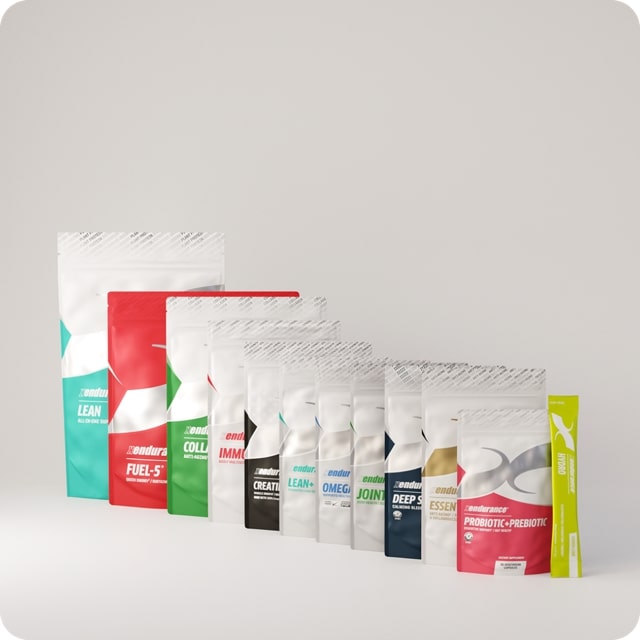
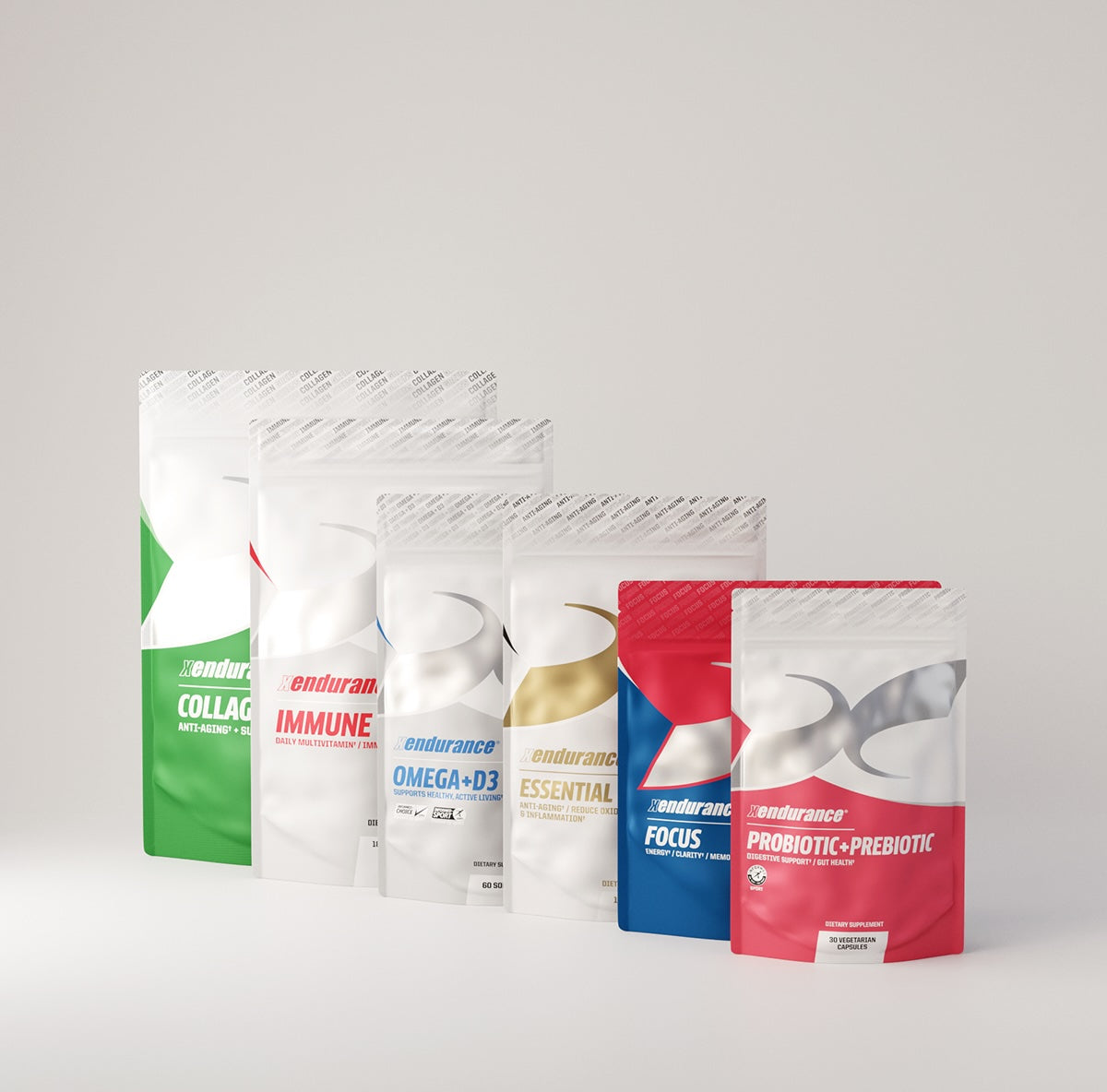
In this sea of protein hype, Xendurance stands out by refusing to chase the norm. They focus on functional, real-food performance nutrition that actually helps endurance athletes and everyday warriors feel and perform better—without the crashes, jitters, or gut bombs. And Xendurance spends the money on Whey Hydrolysate dominating their Protein.
The Xendurance philosophy? Maxx smart. Get your protein from quality sources, then layer in real-food carbs, hydration, and targeted supplements that have been tested in the trenches (think CrossFit Games athletes, HYROX competitors, and high-altitude training). No hype, just results that “work in silence” until you suddenly PR your race or feel unstoppable mid-workout.
They’re also navigating the clean-label evolution—because in the maxxing era, people are (rightly) asking what else is in their products. Our focus on Informed-Sport considerations and transparent formulations fits the moment perfectly.
Finding Balance in the Bro Era
The Protein-Maxxing Era is fun, motivational, and backed by solid science when done thoughtfully. It’s pushed more people to prioritize muscle and satiety, which beats the old low-fat snack-cake days. But don’t let the memes maxx you into extremes.
Practical tips:
- Calculate your needs (online calculators + activity level).
- Prioritize whole foods first.
- Spread intake and combine with fiber-rich plants.
- Train hard (protein loves resistance and endurance work).
- Listen to your body—energy, digestion, sleep, performance.
And if you want options that feel good long-term, check what Xendurance is cooking up. Whether you’re deep in your protein-maxxing era or just trying to fuel better days, real-food performance nutrition bridges the gap between hype and results.
Now go forth, lift (or run) heavy, eat intentionally, and maybe skip the protein water or popcorn.


Leave a comment
This site is protected by hCaptcha and the hCaptcha Privacy Policy and Terms of Service apply.