




Winter is coming. Not the dramatic Game of Thrones kind, but the quieter, more insidious version: shorter days, weaker sunlight, and a slow erosion of the biological signals that keep mood, energy, and motivation stable. For many people, this registers as mild “winter blues.” For others, it escalates into Seasonal Affective Disorder (SAD), a clinically recognized subtype of depression that returns with the falling light. The science is clear that reduced daylight disrupts circadian rhythms, alters serotonin and melatonin signaling, and coincides with drops in vitamin D status. What is less widely discussed—and more useful—is that structured exercise functions as a surprisingly robust, light-independent buffer against these changes, and that pairing it with strategic nutritional support creates a practical “resilience stack” for the darker months.
Exercise as a Core Mental Health Intervention.
The evidence that exercise improves mental health is no longer marginal. A 2025 umbrella review synthesizing 103 meta-analyses and systematic reviews (covering more than 360,000 participants) found a moderate overall effect of physical activity on mental health disorders (SMD ≈ 0.53). Separate large-scale analyses show that exercise reduces depressive symptoms with effect sizes comparable to psychotherapy in many trials, and that it meaningfully lowers anxiety symptoms as well. A 2024 network meta-analysis of randomized trials concluded that exercise can be considered alongside psychotherapy and antidepressants as a core treatment for depression, with benefits scaling roughly with intensity and consistency. Aerobic exercise, resistance training, and mind-body practices such as yoga all show efficacy; the optimal dose for many people appears to be moderate activity performed several times per week, sustained over weeks rather than isolated high-intensity sessions.
Mechanistically, exercise raises brain-derived neurotrophic factor (BDNF), modulates monoamine neurotransmitters (serotonin, dopamine, norepinephrine), reduces systemic inflammation, and improves sleep architecture. These pathways remain available even when external light cues are weak. In other words, movement does not fully replace sunlight, but it activates overlapping and complementary systems that support mood when sunlight is scarce.
Why Darkness Hits Harder
SAD and subclinical winter mood decline are tightly linked to photoperiod. The National Institute of Mental Health notes that shorter daylight hours can reduce serotonin activity, disrupt circadian timing, and elevate melatonin in a way that promotes lethargy and hypersomnia. People living farther from the equator show a higher prevalence. Circadian misalignment is central: the suprachiasmatic nucleus relies on bright light to set the master clock; weaker winter light weakens this signal, and many individuals experience a phase delay that leaves them feeling out of sync.
Vitamin D status tracks the same seasonal pattern. Skin production of vitamin D drops sharply with reduced UVB exposure, and observational data consistently associate lower serum 25(OH)D with higher depressive symptom scores, particularly in winter and spring. Systematic reviews indicate that deficiency is linked to greater depression risk and severity, and that supplementation produces larger improvements in people who are deficient at baseline. Proposed mechanisms include effects on serotonin synthesis, neurotrophic factors, neuroinflammation, and calcium signaling in brain regions involved in mood regulation. Not every trial shows dramatic results in already-sufficient individuals, but the seasonal context of deficiency makes winter a high-risk window.
The Nutrition Side of the Equation:
Omega-3 fatty acids (EPA and DHA) and vitamin D appear to operate on overlapping pathways relevant to mood. Omega-3s have anti-inflammatory effects, support neuronal membrane fluidity, and influence serotonergic signaling. Meta-analyses of randomized trials generally find modest but statistically significant reductions in depressive symptoms, with stronger signals when EPA is a substantial component of the dose and when used as an adjunct rather than standalone therapy. One 2021 randomized trial in women with prediabetes and low vitamin D found that co-supplementation with omega-3s and vitamin D produced larger improvements in depression, anxiety, stress, and sleep scores than either nutrient alone. Other reviews position the combination as a rational adjunctive strategy precisely because the two nutrients modulate neurotransmission and inflammation through complementary routes.
A particularly interesting 2025 finding from the University of Bath adds another layer: regular moderate-intensity exercise itself appears to help preserve vitamin D status over winter, blunting the typical seasonal drop even without outdoor sun exposure or additional supplementation. Exercise is therefore not only a direct mood tool but also a partial stabilizer of the very nutrient that winter threatens.
Building a Practical Winter Resilience Stack.
The most useful framing for the darker months is not “exercise or light therapy or supplements,” but a layered stack in which each element covers a different vulnerability.
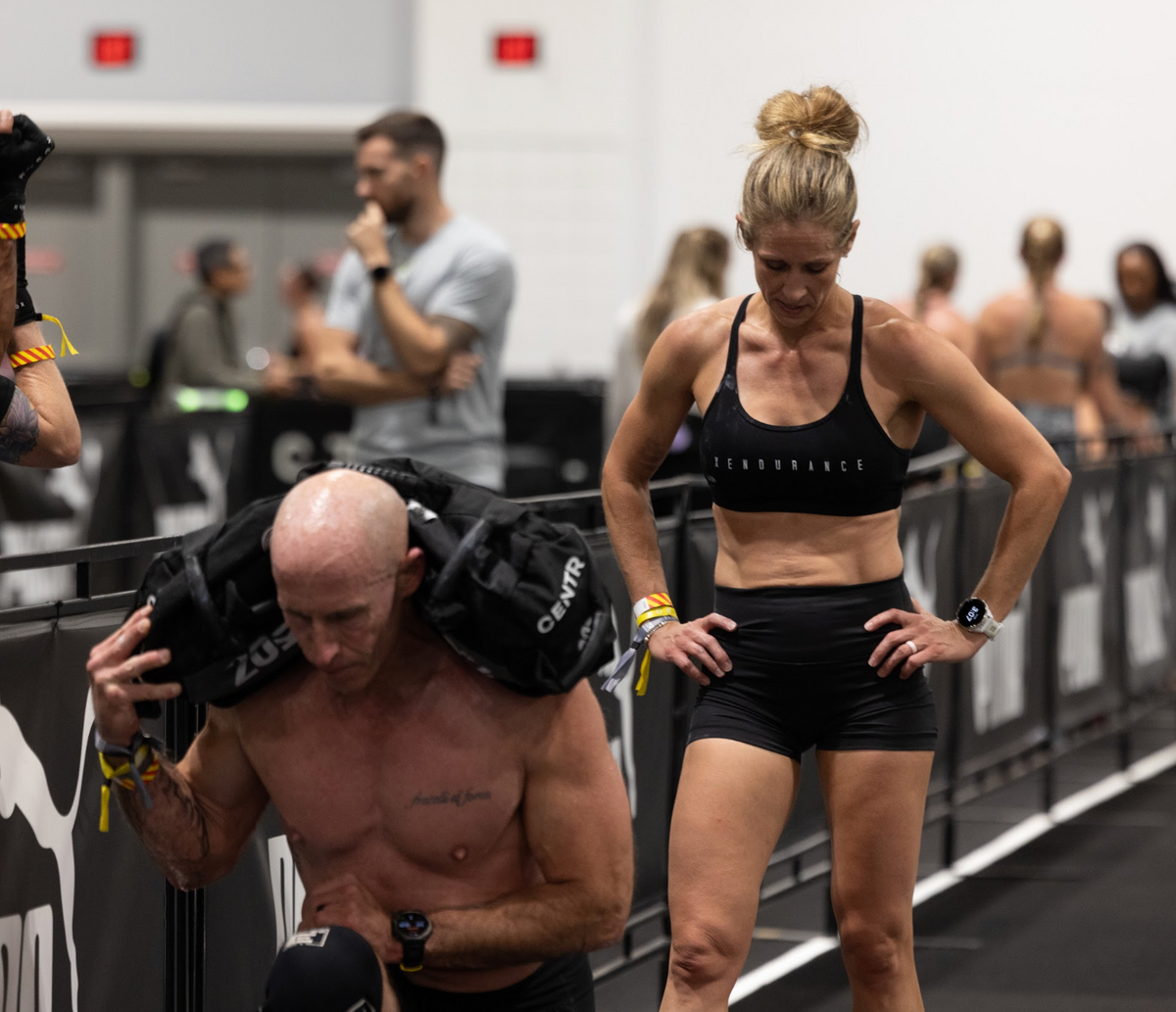
First, prioritize consistent movement. Aim for at least 150 minutes per week of moderate activity, with a mix of aerobic work and some strength or mobility sessions. Outdoor sessions on brighter days (even overcast) provide both movement and whatever residual light is available, which helps circadian alignment more than indoor lighting alone. On darker or colder days, indoor options—brisk walking on a treadmill, resistance circuits, yoga, or group classes—still deliver the BDNF, monoamine, and anti-inflammatory benefits. Consistency matters more than intensity; many trials show meaningful effects from moderate doses sustained over six weeks or longer.
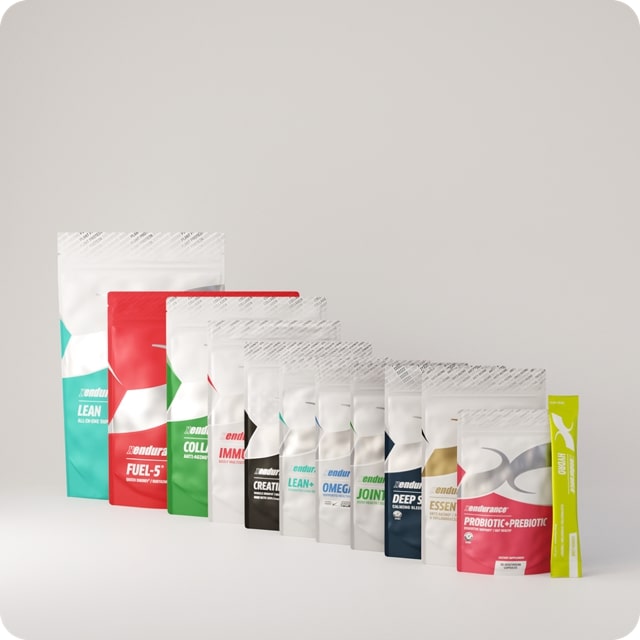
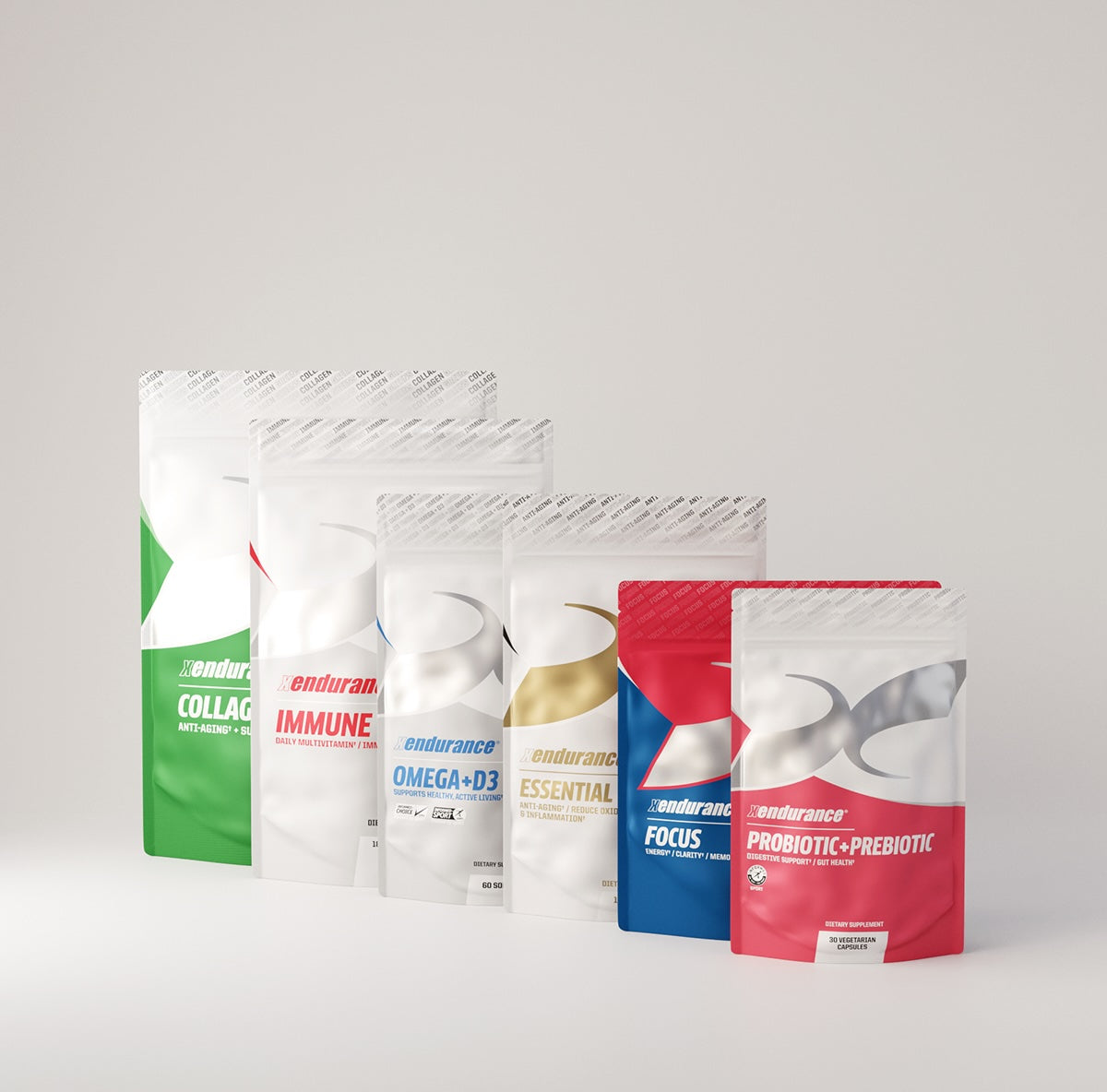
Second, address the nutritional gap that darkness creates. A convenient, evidence-aligned option is a combined omega-3 + high-dose vitamin D formula. Xendurance Omega+D3 delivers 1,000 mg of EPA/DHA in the triglyceride form (shown in studies to be absorbed substantially better than ethyl-ester forms) plus 4,000 IU of vitamin D per serving. This dosage range aligns with levels used in trials examining mood and deficiency correction, while the triglyceride omega-3 form supports better bioavailability. The product is Informed Sport certified, which is relevant for athletes or anyone who wants third-party verification of banned-substance testing. Taken with a meal, it efficiently covers both the anti-inflammatory/brain-supportive fatty acids and the vitamin D that skin production can no longer supply reliably.
Third, layer in simple light and timing habits: morning outdoor light exposure when possible, consistent sleep-wake times, and, for those with clear SAD symptoms, discussion of bright-light therapy with a clinician. Exercise does not eliminate the value of these tools; it makes the overall system more resilient when one element is imperfect.
Why This Approach Feels Different.
Most winter mental-health advice still centers almost exclusively on light boxes and “get outside.” Those remain valuable, but they are incomplete when weather, work schedules, or latitude make reliable bright-light exposure difficult. Framing exercise as a primary, light-independent lever—and pairing it with a targeted nutritional support that simultaneously addresses vitamin D status and provides EPA/DHA—creates a protocol that is more robust to real-world constraints. The Bath finding that exercise itself helps buffer vitamin D decline further tightens the logic: movement and the Omega+D3 combination are mutually reinforcing rather than merely additive.
The evidence does not claim that exercise plus omega-3 and vitamin D is a cure for clinical depression or a substitute for professional care. It does show, across large bodies of research, that these elements reliably move the needle on mood symptoms, especially when used together and maintained through the period of greatest seasonal vulnerability. For the majority of people who experience a measurable but non-clinical dip as the days shorten, the stack offers a concrete, science-aligned way to protect energy, motivation, and emotional stability without waiting for spring.
Winter’s darkness is predictable. The biological response to it does not have to be. Consistent movement, paired with high-quality omega-3s and a meaningful dose of vitamin D, gives the brain multiple pathways to stay regulated when the primary environmental signal—sunlight—is weakest. That combination is simple enough to sustain and sufficiently grounded in current evidence to make the darker months feel less like an unavoidable tax on mental health and more like a period that can still be managed actively.


Leave a comment
This site is protected by hCaptcha and the hCaptcha Privacy Policy and Terms of Service apply.