



In the ever-evolving world of women's health, one supplement is quietly revolutionizing routines: creatine. Once dismissed as a bodybuilder's secret weapon, creatine is now a staple for women navigating perimenopause, menopause, and beyond. Social media buzz—from TikTok influencers to X (formerly Twitter) threads—highlights its role in combating brain fog, boosting energy, and preserving muscle mass amid hormonal shifts. As Dr. Stacy Sims, a leading expert in women's performance nutrition, puts it in her Diary of a CEO podcast appearance, "Creatine is one of the most powerful supplements for women." Why? Because women naturally store 70-80% less creatine than men, thanks to lower dietary intake from animal proteins and hormonal influences on creatine synthesis.
This isn't hype; it's backed by science. A 2021 review in Nutrients emphasizes creatine's lifespan benefits for women, from menstrual cycles to post-menopause, supporting everything from strength gains to cognitive resilience. Whether you're lifting weights or just lifting your mood, creatine could be the missing piece in your routine.
What Is Creatine and How Does It Work?
Creatine is a naturally occurring compound found in small amounts in foods like red meat and fish, but most of us don't get enough through diet alone—especially vegetarians or those with busy lifestyles. Your body produces about 1-2 grams daily in the liver, kidneys, and pancreas from amino acids like glycine and arginine. It plays a starring role in energy production, specifically by replenishing adenosine triphosphate (ATP), the "currency" of cellular energy.
In muscles, creatine forms phosphocreatine, which donates phosphate groups to recycle ATP during high-intensity efforts—like a HIIT sprint or heavy deadlift. This leads to better performance, faster recovery, and muscle growth over time. But its magic extends beyond the gym: in the brain, it fuels neurons, potentially sharpening focus and easing mental fatigue. For women, whose estrogen fluctuations can disrupt energy metabolism, supplementing bridges this gap. A UCLA Health report notes early research linking creatine to muscle and bone support post-menopause, when estrogen dips, and sarcopenia (age-related muscle loss) accelerates.
Creatine monohydrate, the most studied form, is affordable, effective, and safe for long-term use up to 5 years at standard doses. It's not a steroid—far from it. It's a simple, evidence-based tool for holistic wellness.
Key Benefits of Creatine for Women's Wellness
Women's bodies respond uniquely to creatine due to hormonal cycles, lower baseline stores, and life-stage demands. Here's how it shines across key areas:
Muscle Strength and Body Composition
Estrogen decline in perimenopause speeds muscle loss, but creatine counters this. A Verywell Health analysis of studies shows women supplementing with creatine for five weeks gained more strength in bench presses and reduced body fat compared to placebo groups. Combined with resistance training, it boosts lean mass by 1-2% and power output, according to a Journal of the International Society of Sports Nutrition review. For busy women juggling workouts and life, this means more reps, quicker recovery, and a metabolism that doesn't tank.
Post-menopause, the stakes rise: creatine plus weights can increase muscle function by up to 20%, helping fend off frailty. Wellness experts echo this, noting reduced inflammation and muscle damage for faster post-workout bounce-back.
Bone Health and Hormonal Balance
Osteoporosis risk spikes after menopause, but creatine offers protection. A year-long study found postmenopausal women on creatine lost just 1.2% bone density at the hip versus 4% in controls, thanks to enhanced osteoblast activity (bone-building cells). It reduces oxidative stress and inflammation, key culprits in bone resorption.
Hormonally, creatine supports transitions. During menses or pregnancy, it stabilizes energy; in menopause, it mitigates estrogen's absence on creatine kinetics. Midi Health's experts highlight its role in slowing perimenopausal muscle and bone loss, potentially easing hot flashes indirectly via better sleep and mood.
Brain Health, Mood, and Sleep
Here's where creatine steals the show for women. Brain fog? Creatine restores ATP in neurons, improving short-term memory and reasoning—especially under sleep deprivation, common in midlife. A Cleveland Clinic review links it to neuroprotection in those over 60, with women showing amplified gains due to lower baseline levels.
Depression relief is profound: an 8-week trial found 5g daily with antidepressants cut symptoms faster in women, accelerating recovery by weeks. Dr. Rhonda Patrick notes 10g/day doubles brain creatine, banishing afternoon slumps. For menopause, a 2025 CONCRET-MENOPA trial showed medium-dose creatine hydrochloride improved reaction times by 6.6% and frontal brain creatine by 16.4%, while easing mood swings.
Sleep benefits? A recent study in perimenopausal women reported better quality after 8 weeks, likely from stabilized energy metabolism. As Everyday Health reports, this cascades into fewer hot flashes and sharper cognition.
In short, creatine isn't just for gains—it's a wellness multitasker, with women reaping outsized rewards.
Dosing: How Much and When for Women?
Simplicity rules: Skip the loading phase (20g/day for 5-7 days), which can cause bloating. Women saturate muscles fully at 3-5g daily over 3-4 weeks, per Harvard Health and Girls Gone Strong guidelines. For a 150lb woman, that's ~0.03g/kg body weight maintenance.
Brain perks? Bump to 10g/day, as neuroimaging shows it doubles cerebral stores versus 5g. Some experts recommend taking 10g for cognitive edge; post-menopausal women may need 0.3g/kg for bone/muscle (e.g., 20g for 150lb). TārāMD suggests up to 20g for therapeutic brain use, but start low.
Timing? Consistent daily intake trumps workout proximity, though post-exercise with carbs/protein aids uptake. Mix in water or smoothies; cycle off? Unnecessary—long-term is safe. Hydrate: Aim for 3-4 liters daily to avoid cramps.
Busting Myths: Side Effects and Safety
Fear of weight gain? It's water retention in muscles—temporary and lean-looking. Hair loss? A myth from one flawed DHT study; no causal link exists, per Dr. Layne Norton. Kidneys? Safe for healthy women; monitor if predisposed. Mayo Clinic confirms no increased injury risk; it may even prevent cramps.
What Experts and Online Communities Are Saying
Experts rave: Dr. Sims urges women to skip loading for 3-5g daily to support gut, mood, and brain. CU Anschutz's Dr. Kerrie Moreau: "Especially beneficial for women" in aging, preserving muscle sans couch-potato vibes. On X, @DrJesseMorse touts 5-10g for postmenopausal depression relief. @fmfclips (Rhonda Patrick clips) pushes 10g for brain spillover. Users like @CurlyHairComedy share: "As a new mom, 10mg/day sharpens cognition amid sleep loss." Debates rage on megadosing (10-20g), with @pierre_koutani calling 5g "over"—sparking 4K likes on neuroprotection.
Consensus? Game-changer for women's routines.
Creatine-JB by Xendurance—A Bloat-Free Boost
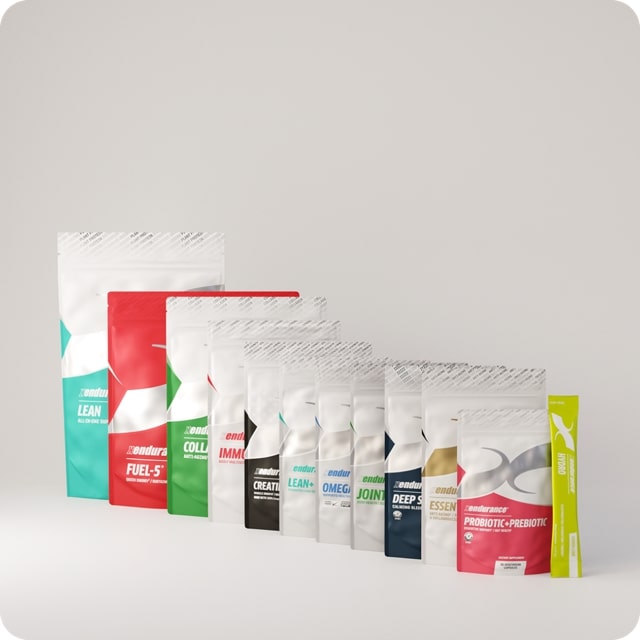
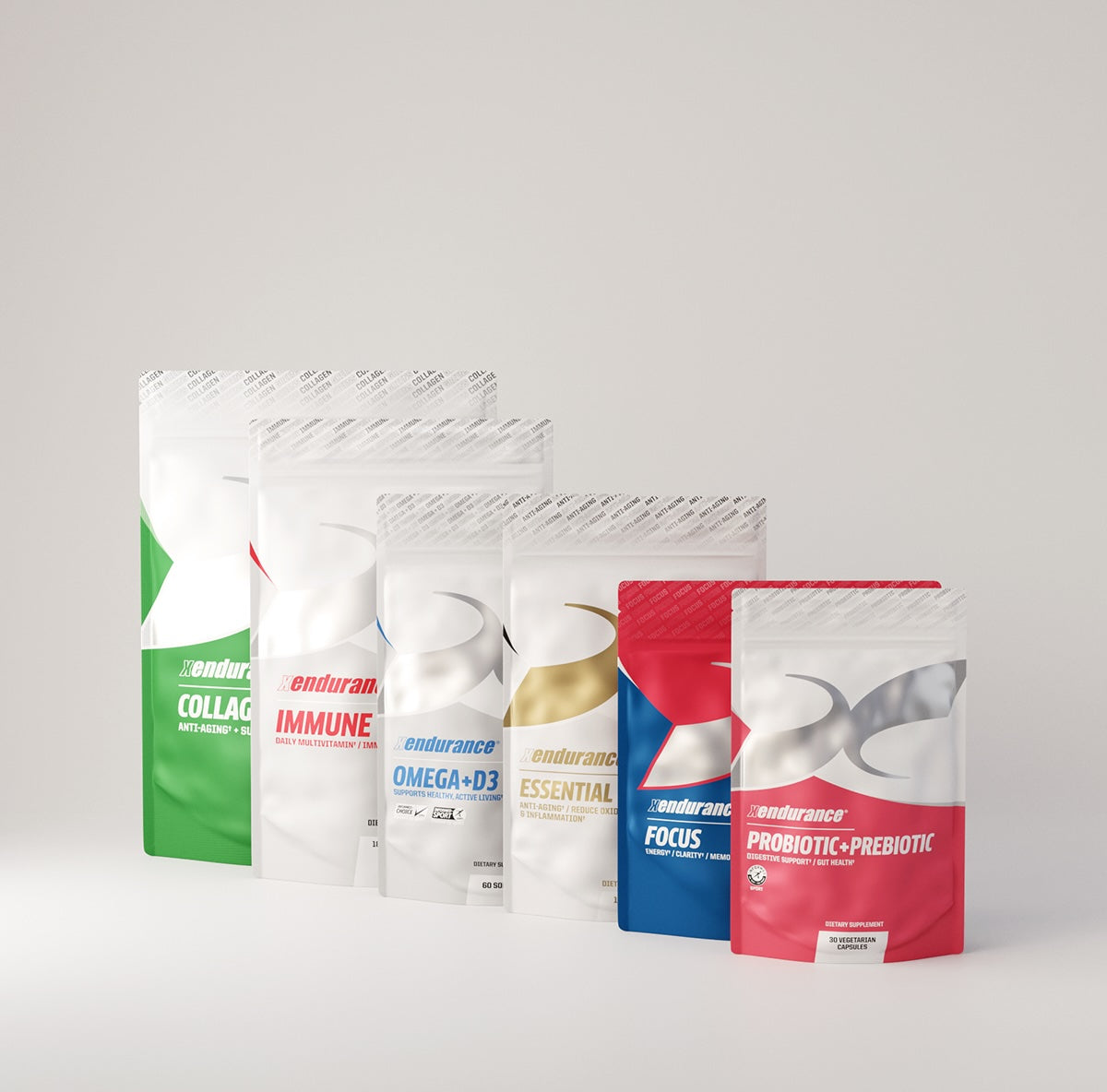
Enter Creatine-JB, Xendurance's flagship: 5g Creapure monohydrate per serving, lightly flavored with electrolytes and lactate for no-bloat absorption. Named after CrossFit athlete Josh Bridges, it's third-party tested, sugar-minimal, and artificial-free. BarBend's 2025 review praises its workout edge for functional fitness, with users noting faster recovery and zero GI upset—ideal for women's sensitive systems.
Make Creatine Your Wellness Ally
Creatine isn't a quick fix—it's a sustainable upgrade for women's routines, fueling muscles, bones, and brains through life's ebbs. Start with 3-5g daily, pair with strength training, and track how it lifts your energy. As @mommypotamus shares on X, it smooths hormonal sails and sharpens focus. Consult your doc, especially with meds, but the evidence is clear: This powerhouse deserves a spot in your stack. Your future self—stronger, clearer, more resilient—thanks you.



Leave a comment
This site is protected by hCaptcha and the hCaptcha Privacy Policy and Terms of Service apply.