



In our 24/7, always-on world, sleep has become an afterthought. Yet the data is alarming—and it’s getting worse. According to the Centers for Disease Control and Prevention (CDC), approximately 35–37% of U.S. adults get fewer than seven hours of sleep per night on a regular basis. That’s tens of millions of people walking around chronically sleep-deprived. The National Sleep Foundation’s more recent polls paint an even bleaker picture: up to 60% of adults report not getting enough sleep, with roughly 40% struggling to fall or stay asleep three or more nights per week.
The consequences aren’t just grogginess or a bad mood. Chronic short sleep is linked to a 6–15% higher all-cause mortality risk. It drives up rates of cardiovascular disease, type 2 diabetes, obesity, hypertension, and even certain cancers. One analysis estimates poor sleep contributes to as many as 15% of Alzheimer’s cases. Cognitively, even one night of poor sleep impairs attention, working memory, reaction time, judgment, and decision-making. Sleep deprivation disrupts hippocampal long-term potentiation—the cellular mechanism for memory formation—leading to slower processing, more errors, and increased accident risk (think drowsy driving, which rivals drunk driving in fatalities).
Economically, the U.S. loses hundreds of billions annually in lost productivity. Mentally, insomnia multiplies depression risk tenfold. In short, sleep isn’t a luxury—it’s the foundation of every other pillar of health. Without it, diet, exercise, and supplementation lose their edge. This is especially true for athletes, where poor sleep doesn’t just slow you down—it sabotages recovery, increases injury risk, and erodes competitive edge.
Why Deep, Restorative Sleep Has Become So Elusive
Most adults cycle through light sleep, deep slow-wave sleep (stages 3–4, where growth hormone surges and physical repair happens), and REM (for emotional processing and memory consolidation). Yet modern life conspires against deep sleep.
The biggest culprits? Chronic stress triggers “hyperarousal”—elevated cortisol, faster heart rate, and racing thoughts that keep the brain in fight-or-flight mode even at night. Blue light from screens suppresses melatonin by up to 50% if used within two hours of bedtime. Caffeine’s half-life (5–6 hours) means that an afternoon latte still blocks adenosine receptors at 10 p.m. Alcohol may knock you out initially, but fragments sleep architecture, reducing REM and deep stages while increasing nighttime awakenings. Irregular schedules, shift work, aging (older adults spend less time in deep sleep), medical conditions (pain, apnea, restless legs), and even genetics play roles.
Result: more time in light stage 1–2 sleep, frequent micro-arousals, and less restorative slow-wave and REM. Fitness trackers often reveal the truth—people think they slept eight hours but logged only 1–2 hours of deep sleep.
How Much Sleep Do You Actually Need? (And Why Athletes Need More)
Consensus from the American Academy of Sleep Medicine and Sleep Research Society: adults 18+ need 7–9 hours nightly for optimal health. Seven hours is the minimum; below that, cognitive and metabolic deficits compound.
Athletes are different. Training creates micro-tears in the muscle, depletes glycogen, elevates inflammation, and stresses the nervous system. Deep sleep is when growth hormone peaks, protein synthesis ramps up, and the body repairs tissue. Elite athletes often require 8–10+ hours plus strategic naps. Stanford University researchers found that extending sleep to 10 hours nightly in varsity basketball players improved sprint times, shooting accuracy (free throws and three-pointers rose ~9–10%), and reaction times.
Studies on collegiate and Olympic athletes show those sleeping under 6–7 hours face significantly higher injury rates—sometimes 1.7 times higher—and slower recovery. Sleep extension or quality improvement directly boosts endurance, power output, and even immune function during heavy training blocks. In short, for athletes, sleep is the ultimate performance enhancer—often more impactful than another training session.
How Diet Shapes Your Sleep (The Foods That Help—and Hurt)
What you eat directly influences sleep architecture. High-sugar, high-refined-carb, or high-saturated-fat meals close to bedtime spike blood glucose, then crash it, causing awakenings and lighter sleep. Energy drinks, soda, and sugary coffees are particularly disruptive—frequent consumers report poorer Pittsburgh Sleep Quality Index scores.
Caffeine and alcohol are well-documented villains. Even moderate evening alcohol reduces deep sleep and REM while increasing fragmentation. Spicy or heavy, fatty dinners can trigger reflux and discomfort.
On the flip side, a Mediterranean-style diet rich in plants, fiber, fatty fish, nuts, and seeds correlates with better sleep quality and longer duration. Tryptophan-rich foods (turkey, eggs, dairy, seeds) help because tryptophan is a precursor to serotonin and melatonin. Tart cherries naturally boost melatonin. Magnesium-rich foods (leafy greens, nuts, dark chocolate) calm the nervous system. Timing matters: finish eating 2–3 hours before bed and keep evening meals light.
Supplements That Can Help Restore Deep Sleep
When diet and habits aren’t enough, targeted supplements can bridge the gap—especially for athletes chasing recovery.
Common evidence-based options include:
- Melatonin (0.5–5 mg): Resets circadian rhythm and shortens sleep latency without next-day grogginess when used appropriately.
- Magnesium (glycinate or threonate forms): Relaxes muscles and GABA activity; deficiency is common and linked to insomnia.
- Valerian root: A traditional herbal that may reduce the time to fall asleep and improve subjective quality.
- GABA, 5-HTP, and L-tryptophan: Directly support calming neurotransmitters and serotonin production for deeper rest.
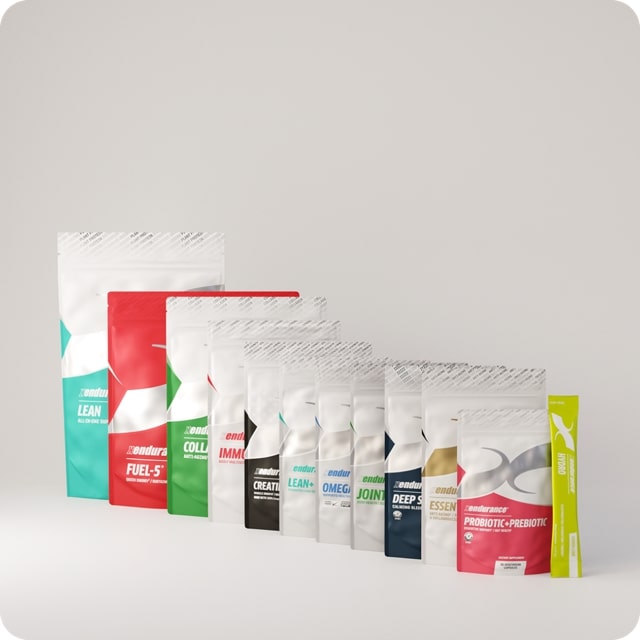
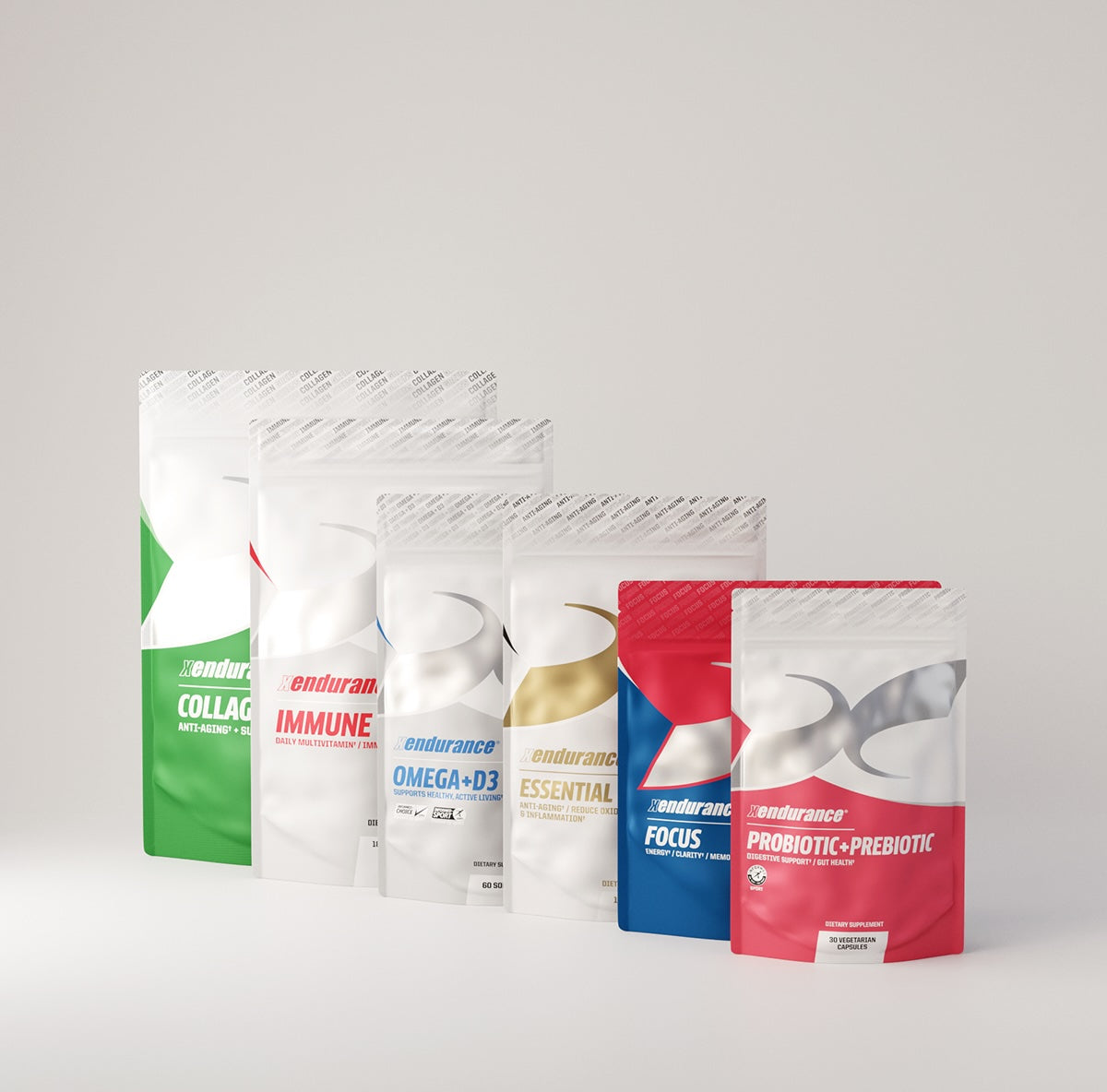
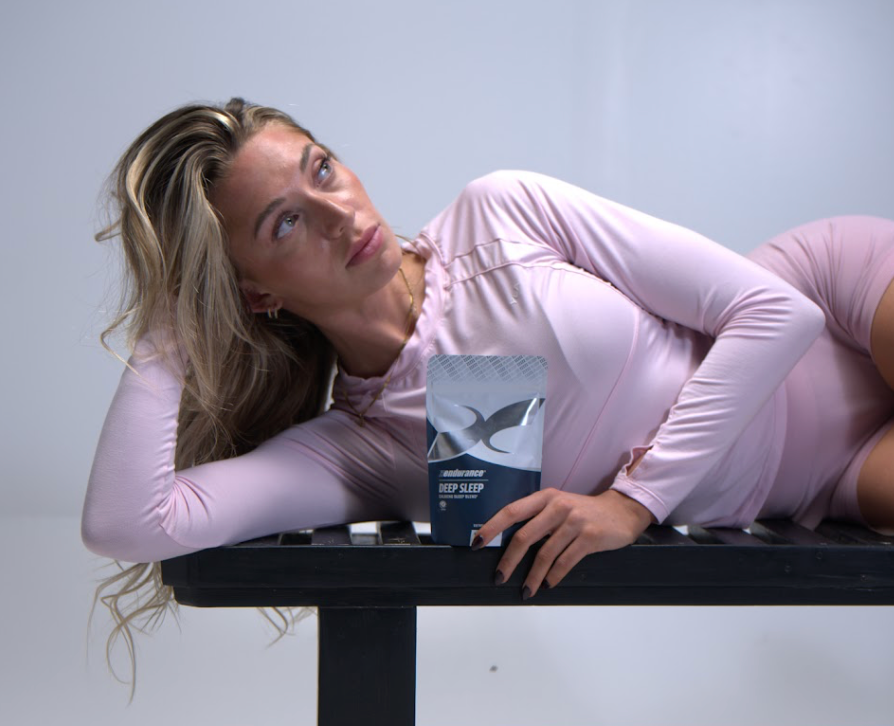
Athletes in particular turn to Xendurance Deep Sleep—a science-informed, athlete-trusted formula that combines five key sleep enhancers in one vegan capsule: 2 mg melatonin, valerian root, GABA, tryptophan, and 5-HTP. Taken as two capsules in the evening, it promotes natural calming, boosts serotonin for relaxation and mood support, and encourages deeper, more restorative sleep without morning grogginess.
Users (including firefighters and competitive athletes) report consistent deep-sleep cycles on trackers, faster wind-down, vivid but refreshing dreams, and better next-day energy and recovery. It’s designed specifically for high-performers whose demanding schedules make quality sleep non-negotiable. Backed by a 60-day guarantee and made in the USA, it’s become a staple for those prioritizing nighttime recovery and next-day performance.
Exercise: Friend or Foe to Sleep?
Regular physical activity is one of the best natural sleep aids. Moderate aerobic exercise increases slow-wave (deep) sleep, reduces sleep latency, and improves overall quality—even in people with insomnia. High-intensity yoga, in particular, shows strong benefits in meta-analyses.
But timing and intensity matter. Vigorous exercise within 2–4 hours of bedtime can elevate core temperature and heart rate, delaying sleep onset and reducing quality for some people—especially if it’s very intense or prolonged. Light-to-moderate morning or afternoon sessions tend to help most.
The sweet spot for athletes: train hard earlier in the day, then use evening mobility, yoga, or light cardio to prime the body for rest. Consistency trumps perfection—30 minutes most days yields measurable sleep gains.
The Bottom Line: Prioritize Sleep Like Your Career Depends On It—Because It Does
A single bad night costs you focus, mood, and metabolism. Weeks or months of it erode your health, performance, and longevity. For athletes, skimping on sleep is like training without recovery days—it guarantees diminishing returns and higher injury risk.
The good news? Small, consistent changes deliver big results: consistent bedtime, dark/cool bedroom, smart diet timing, strategic supplementation (like Xendurance Deep Sleep for those deep-recovery nights), and well-timed exercise. Treat sleep as the non-negotiable foundation it is.


Leave a comment
This site is protected by hCaptcha and the hCaptcha Privacy Policy and Terms of Service apply.