



Walk into any grocery store in 2026 and you’ll see it: protein-fortified soda, popcorn, chips, even toaster pastries. The “proteinification” of the food supply is in full swing, turning everyday snacks and drinks into mini muscle-building opportunities. Brands promise better satiety, faster recovery, and easier ways to hit your daily protein goals without choking down another shake. But is this a legitimate evolution in nutrition—or just clever marketing that turns ultra-processed foods into “healthier” versions of themselves? Let’s break it down.
The Rise of Proteinification
Proteinification isn’t new, but it exploded in 2025–2026. Sales of high-protein claims have surged as consumers—especially active Millennials and Gen Z—shift from “low-calorie” dieting to “high-performance” eating. The logic is simple: protein helps preserve muscle, keeps you full longer, and supports everything from fat loss to stable energy.
Why settle for plain cereal when you can get 15–20 grams in every bowl?
On one hand, this trend is genius. It makes hitting higher protein targets more convenient and enjoyable. On the other hand, critics argue it’s a gimmick. Many fortified products are still ultra-processed, loaded with artificial sweeteners, and deliver protein in tiny, suboptimal doses spread too thin across the day. You might get 5 grams in your protein popcorn, but does that meaningfully contribute to muscle protein synthesis compared to a proper 25–40 gram meal?
Nutritionists point out that quality, timing, and total daily intake still matter more than sprinkling protein everywhere.
How Much Protein Do Active People Actually Need?
Let’s get the numbers straight. The Recommended Dietary Allowance (RDA) for sedentary adults is just 0.8 grams of protein per kilogram of body weight—about 56 grams for a 70 kg (154 lb) person. But if you’re active, that’s nowhere near enough.
Current guidelines from the International Society of Sports Nutrition and the American College of Sports Medicine recommend 1.2–2.0 grams per kilogram of body weight per day for physically active individuals. That breaks down to:
- Endurance athletes (runners, cyclists): 1.2–1.6 g/kg
- Strength/power athletes (lifters, sprinters): 1.4–2.0 g/kg (or up to 2.2 g/kg during intense training or calorie deficits)
- General active adults training 4–5+ days per week: 1.6–2.0 g/kg is a sweet spot for most.
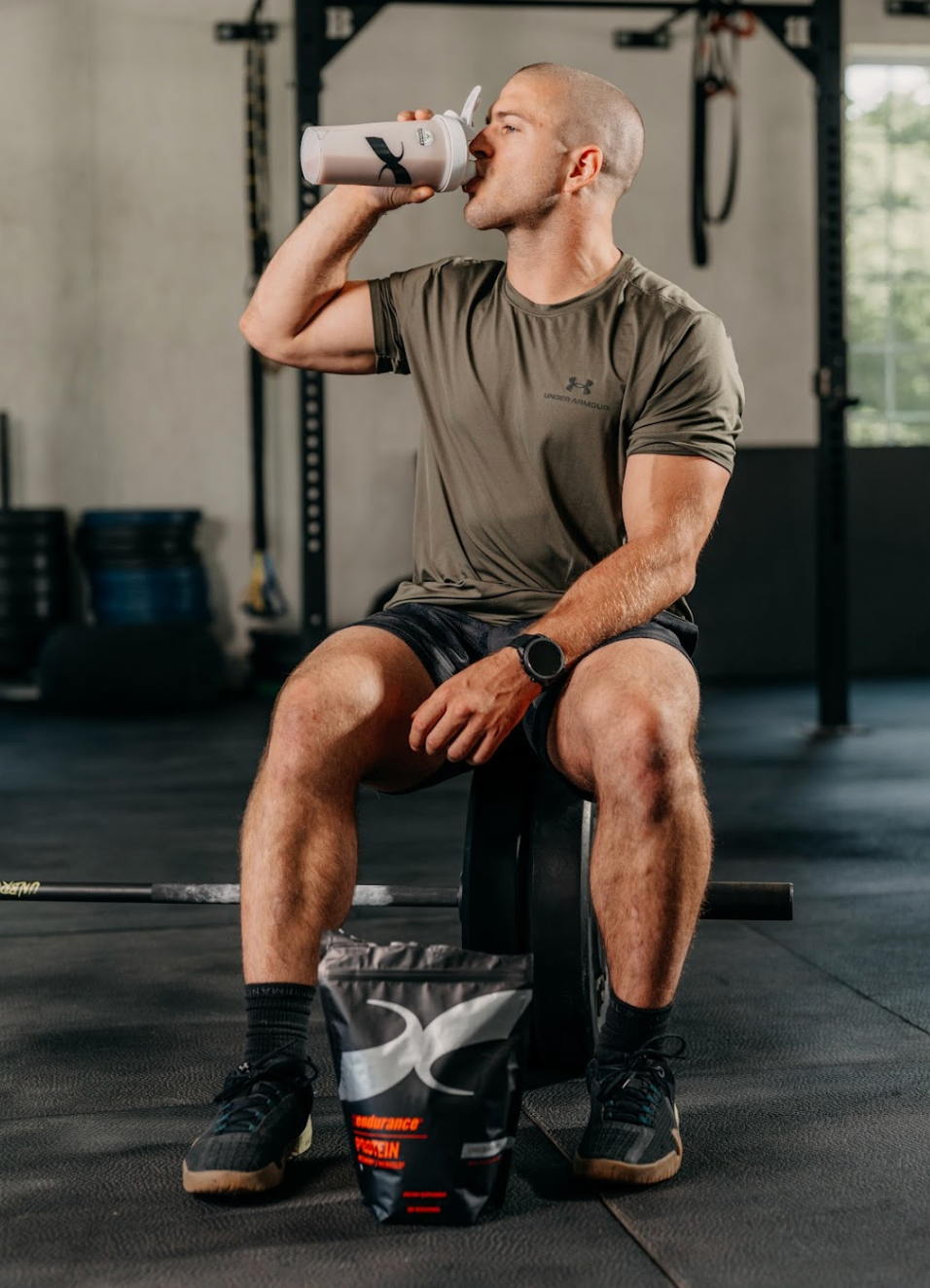
For a 70 kg person, that’s 84–140 grams daily. Spread it across 3–5 meals, aiming for 0.25–0.40 g/kg per sitting (roughly 20–40 grams) to maximize muscle protein synthesis. Post-workout, 20–40 grams of high-quality protein within 1–2 hours is ideal, but the “anabolic window” is more like a 24-hour door that stays open with consistent intake.
Hitting these targets through whole foods alone can feel like a full-time job—enter the proteinified products.
Does Protein Type Matter? And Are All Proteins Absorbed the Same Way?
Yes—and no. Not all protein is created equal.
Complete vs. incomplete proteins: Animal sources (whey, eggs, meat, dairy) contain all nine essential amino acids (EAAs), especially leucine—the “trigger” for muscle protein synthesis. Most plant proteins are lower in one or more EAAs and leucine, so you often need to eat more or combine sources (rice + peas) to match the effect.
Absorption and digestion speed matter just as much:
- Whey protein (especially isolate and hydrolysate) is absorbed rapidly—amino acids hit the bloodstream fast, spiking muscle protein synthesis quickly.
- Casein digests slowly, providing a steady release (great before bed).
- Plant proteins (pea, rice, soy isolates) are generally slower and less bioavailable than whey due to anti-nutritional factors, though modern isolates close the gap.
Whey hydrolysate stands out as the gold standard for bioavailability. It’s pre-digested (broken into smaller peptides), so it absorbs faster and more completely than standard whey concentrate or isolate. Studies show it causes less stomach upset because the body has less work to do breaking it down.
Crazy Foods and Drinks Now Packed with Protein
The trend has gone delightfully (or ridiculously) far. Here are some of the wildest examples hitting shelves in 2026:
- Protein soda: SkyPop (formerly Don’t Quit), Bucked Up, Koia Protein Pop, and Genius Gourmet offer 10–30 grams per can in flavors like root beer, orange cream, and fruit punch. Zero sugar, lightly carbonated, and actually refreshing.
- Protein popcorn: Khloud and others deliver 7–14 grams per serving—way more than the 1–2 grams in regular popcorn.
- Protein chips: Doritos Protein (10 grams per serving in nacho cheese), Natural Endurance avocado-oil chips (14 grams plant-based), and more.
- Protein peanut butter: Skippy’s plant-protein version packs 10 grams in two tablespoons.
- Protein Pop-Tarts and cereal: Yes, toaster pastries and breakfast bowls now come fortified.
- Protein water and coffee: Isopure Protein Water (15 grams per bottle) and ready-to-drink coffeehouse shakes with 30 grams plus caffeine.
- Even indulgent snacks: Tyson Popcorn Chicken Bites (30 grams per serving) and high-protein ice cream pints.
These make protein fun, but many are still processed snacks.
Why Xendurance Protein Stands Out: The Power of Whey Hydrolysate
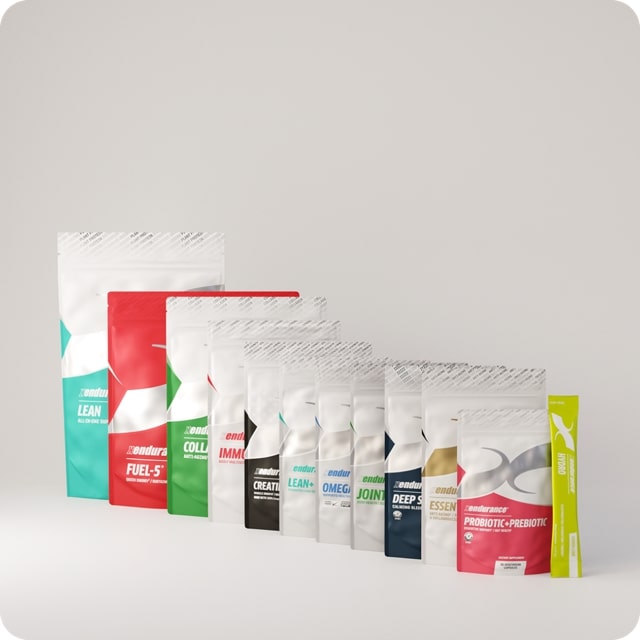
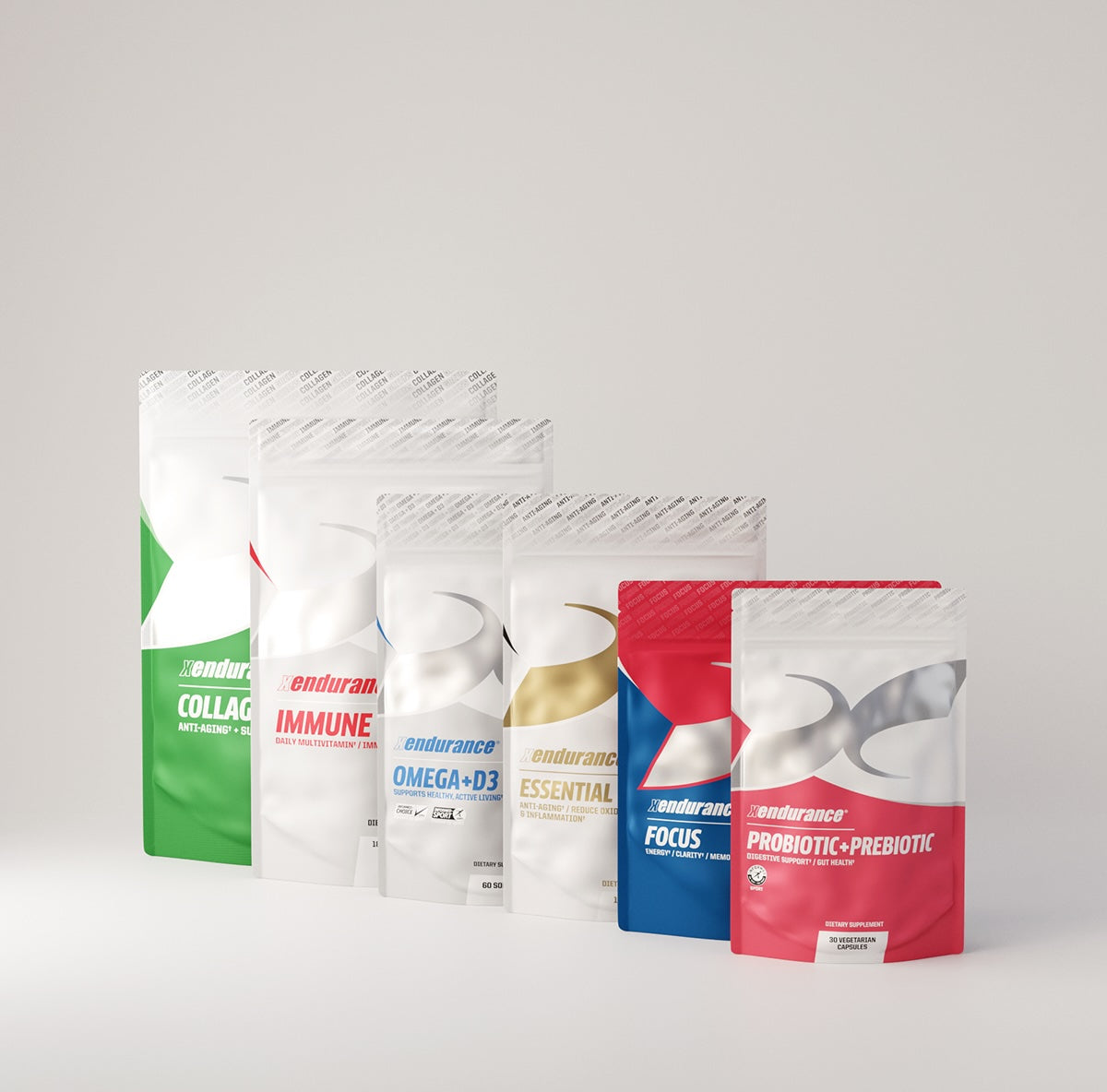
If you’re serious about recovery without the bloat, Xendurance’s Protein is worth a closer look. Their proprietary blend contains approximately 70% whey protein hydrolysate—the most bioavailable form available.
Here’s why it works so well:
- Lightning-fast absorption: Hydrolysate peptides are pre-broken down, so amino acids reach muscles quicker than standard whey concentrate or even isolate.
- Easy on the stomach: Many athletes report zero bloating or GI distress—huge for those who struggle with other powders.
- Complete profile: Delivers a full spectrum of EAAs with high leucine for optimal muscle repair and growth.
- Endurance-focused: Designed for athletes who train hard daily; it supports both immediate recovery and sustained energy without the heaviness of slower-digesting proteins.
One scoop typically provides 20–25 grams of protein, making it a clean post-workout or between-meals option.
Practical Tips for Anyone Trying to Increase Protein Intake
- Prioritize whole foods first: Eggs (6g each), Greek yogurt (15–20g), chicken breast (25g per 100g), cottage cheese, and fish are nutrient-dense and satisfying.
- Spread it out: Aim for 20–40g every 3–5 hours rather than one giant dinner.
- Combine smartly: Pair plant proteins (e.g., beans + rice) or add a scoop of hydrolysate powder to close gaps.
- Track and adjust: Use an app for a week. Most active people underestimate needs by 20–30%.
- Leverage convenience: Protein soda or chips can bridge gaps on busy days, but don’t make them 50% of your intake.
- Consider timing and goals: Pre-bed casein or a slow-release blend helps overnight repair. During fat-loss phases, higher protein (2.0+ g/kg) preserves muscle.
- Watch the extras: Fortified snacks often add calories, sodium, or sweeteners. Read labels.
- Sustainability angle: If you’re plant-forward, high-quality isolates + variety work—but animal or blended sources may be more efficient for muscle gains.
The Verdict: Genius with a Side of Caution
Proteinification is both genius and gimmick. It lowers the barrier to hitting 1.6–2.0 g/kg for active people, making high-protein eating more approachable and even enjoyable. Products like Xendurance’s hydrolysate formula prove quality supplementation can genuinely support performance without digestive drama.
But don’t be fooled into thinking every protein chip is a health food. Real progress still comes from consistent training, sleep, and a foundation of whole foods. Use the trend as a tool—not a crutch.
If you’re active and struggling to hit your numbers, start with the math: weigh yourself in kg and multiply by 1.6–2.0. Start incorporating one or two smart protein-enhanced options into your daily routine alongside real, whole-food meals. You’ll be surprised how much easier it becomes to hit your targets while actually enjoying the process.


Leave a comment
This site is protected by hCaptcha and the hCaptcha Privacy Policy and Terms of Service apply.