



In 2026, serious endurance athletes understand that performance isn’t solely built in the muscles or lungs—it’s orchestrated by an intricate network that includes the trillions of microbes living in your gut. The gut-muscle axis has emerged as one of the most exciting frontiers in sports science. This bidirectional communication system links your microbiome directly to muscle function, energy metabolism, inflammation control, and recovery.
If you’ve battled GI distress on long runs, lingering soreness after hard efforts, unexplained fatigue, or frequent illnesses during heavy training blocks, your gut microbiome may be holding you back. Up to 90% of endurance athletes experience gastrointestinal symptoms during intense exercise, often linked to temporary dysbiosis and increased intestinal permeability. The good news? Targeted prebiotics, probiotics, and especially synbiotics can optimize this axis, helping you fuel your microbiome to crush longer workouts with greater consistency and resilience.
This comprehensive guide explores the science of the gut-muscle axis, how intense training impacts your microbiome, the latest 2025–2026 research on performance gains, and practical strategies—including a standout synbiotic formula built for athletes: Xendurance Probiotic + Prebiotic.
Understanding the Gut-Muscle Axis
The gut-muscle axis describes how gut microbes influence skeletal muscle (and vice versa) through metabolites, immune signaling, and neural pathways. Beneficial bacteria ferment prebiotic fibers into short-chain fatty acids (SCFAs)—primarily butyrate, acetate, and propionate. These compounds act as high-efficiency fuel for muscles during prolonged exercise, reduce systemic inflammation, strengthen the gut barrier, and even promote muscle protein synthesis.
Exercise reshapes the microbiome in intensity-dependent ways. Moderate training often increases microbial diversity and SCFA-producing species. However, high-volume endurance training can trigger:
- Reduced blood flow to the gut
- Elevated stress hormones
- Dehydration and mechanical stress
These factors temporarily decrease beneficial bacteria, increase permeability (“leaky gut”), and elevate inflammation markers like creatine kinase (CK).
A thriving microbiome counters these effects. It enhances nutrient absorption from high-calorie athletic diets, modulates lactate metabolism, supports immune resilience (reducing upper respiratory tract infections), and accelerates recovery. Recent reviews highlight that athletes with optimized gut profiles show better body composition, higher VO2 max, and improved time-to-exhaustion.
How Prebiotics, Probiotics, and Synbiotics Supercharge the Axis
Prebiotics (e.g., galacto-oligosaccharides/GOS, fructo-oligosaccharides/FOS, inulin, resistant starch, and polyphenols) selectively feed beneficial bacteria, boosting SCFA production for sustained energy and better lactate clearance.
Probiotics are live strains (especially multi-strain Lactobacillus and Bifidobacterium) that colonize the gut, compete with pathogens, and directly influence muscle signaling via the gut-muscle axis.
Synbiotics combine both for synergistic effects—the prebiotic fuels the probiotic strains for superior survival, colonization, and metabolite output. This is particularly powerful for athletes facing repeated training stress.
2025–2026 Research: Measurable Gains for Endurance Athletes
Recent studies provide compelling evidence:
A Bayesian meta-analysis of 21 trials (685 participants) found probiotic supplementation produced small-to-moderate improvements in overall athletic performance (μSMD 0.38), with the strongest effects in endurance outcomes like aerobic capacity (μSMD 0.74) and VO2 max improvements. Medium doses (10^9–10^11 CFU) and strains like Lactobacillus plantarum showed standout results.
Systematic reviews confirm probiotics reduce creatine kinase by an average of ~45 IU/L (indicating less muscle damage), improve VO2 max by ~1.55 mL/kg/min, support modest fat loss, and enhance recovery.
Synbiotic interventions in elite swimmers and other athletes demonstrated better upper-body strength, sprint performance adaptations, and gut-muscle axis modulation during high-intensity training.
Prebiotic trials (e.g., B-GOS) in recreational endurance athletes suggest individual benefits for wellness, stress recovery, and GI comfort, with broader microbiome resilience under physical stress.
These outcomes aren’t universal—strain specificity, dosage, duration (ideally 4–12+ weeks), and individual baseline microbiome matter—but the trend is clear: supporting your gut delivers a legal, natural edge for longer, harder workouts.
Why Synbiotics Excel for 2026 Endurance Training
Standalone probiotics often underperform because many strains don’t survive the journey or colonize effectively without fuel. Synbiotics solve this by pairing live organisms with their preferred food sources.
For endurance athletes, this means:
- Stronger defense against exercise-induced leaky gut
- Amplified SCFA production for prolonged energy
- Better immune protection during high-volume blocks
- Improved nutrient uptake from carb-heavy or high-protein diets
- Faster resolution of GI symptoms that derail long sessions
Athletes report more stable energy, reduced bloating on long efforts, quicker recovery between days, and fewer missed training sessions due to illness.
Spotlight: Xendurance Probiotic + Prebiotic – Athlete-Optimized Synbiotic
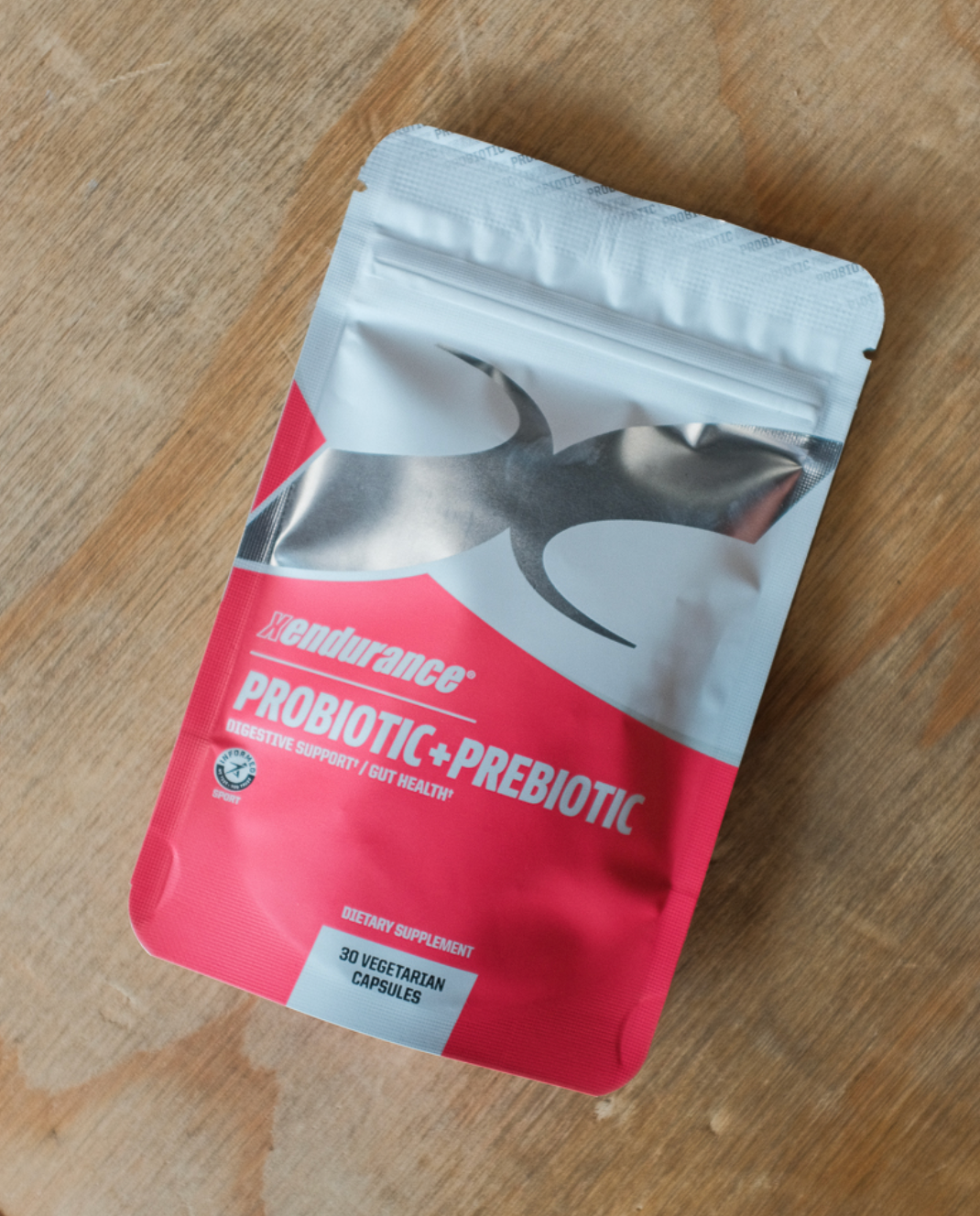
For a science-backed, athlete-focused synbiotic, Xendurance Probiotic + Prebiotic delivers exceptional results in 2026.
This formula features a potent 17-strain probiotic blend delivering 10 billion CFUs (manufactured to guarantee up to 70 billion full-spectrum potency) paired with a targeted prebiotic, to nourish the strains and maximize colonization. It uses vegetarian, delayed-release, acid-resistant capsules so the bacteria reach your intestines alive and active.
Key benefits aligned with the gut-muscle axis:
- Supports balanced microbiome and superior digestion, countering training-induced dysbiosis
- Boosts energy and vitality through enhanced SCFA production and nutrient absorption
- Reduces bloating and GI discomfort—critical for long runs, rides, or bricks
- Strengthens immunity to maintain consistency
- Aids healthy weight regulation and recovery by supporting muscle repair signals
Real athletes echo these advantages. Hannah Black, a hard-training woman, shared: “As a woman who trains hard, gut health is everything… My energy is more stable, recovery feels better, and I no longer deal with the digestive issues that used to slow me down.” Kaitlyn Johnson calls it her “travel staple” for no more bloating or stomach discomfort. Trista Smith noted dramatic bloat relief after trying many other probiotics.
Probiotic+Prebiotic fits seamlessly into any training regimen. Take one capsule daily, ideally 20–30 minutes before breakfast, for cumulative benefits that compound over weeks.
Practical Action Plan: Optimize Your Gut-Muscle Axis
- Commit to a quality synbiotic — Start with Xendurance Probiotic + Prebiotic for 8–12 weeks minimum.
- Incorporate prebiotic-rich foods daily — Oats, garlic, onions, leeks, asparagus, green bananas, apples, Jerusalem artichokes, and berries. These naturally amplify SCFA output.
- Timing and stacking — Consistent morning dosing. Pair with omega-3s, polyphenols, adequate protein, and hydration for additive effects. Some athletes preload 2–4 weeks before key races.
- Monitor progress — Track GI comfort, energy levels, recovery (soreness, readiness scores), resting HR, and training consistency. Many notice shifts in 2–4 weeks.
- Lifestyle multipliers — Prioritize sleep, stress management, and progressive gut training (gradually increasing fiber and training load).
Sample Day for a Marathon or Ironman Athlete:
- Morning: 1 Xendurance Probiotic + Prebiotic capsule + oatmeal with banana, berries, and a sprinkle of inulin powder.
- Midday: Lunch with garlic, onions, asparagus, and lean protein.
- Post-workout: Protein shake with polyphenol-rich berries.
- Evening: Balanced dinner; occasional fermented foods like kimchi or yogurt.
The Road Ahead: Microbiome Optimization in Endurance Sports
By late 2026, expect wider adoption of personalized microbiome testing, AI-guided synbiotic recommendations, and advanced postbiotics. The gut-muscle axis is becoming as foundational as zone training or carb periodization. Athletes who invest here will enjoy fewer disruptions, faster adaptations, and longer careers at peak performance.
Fuel Your Hidden Engine and Crush Longer Workouts
Your gut microbiome isn’t just along for the ride—it’s a powerful co-pilot for endurance success. By understanding and nurturing the gut-muscle axis with evidence-based synbiotics, strategic nutrition, and smart training practices, you can unlock more consistent energy, faster recovery, and the ability to handle higher training loads without breaking down.


Leave a comment
This site is protected by hCaptcha and the hCaptcha Privacy Policy and Terms of Service apply.