




In a nation blessed with an abundance of food choices—from towering fast-food burgers to endless aisles of processed snacks—the idea of widespread nutrient deficiencies might seem counterintuitive. Yet, beneath the surface of the Standard American Diet (SAD), a quiet epidemic brews. Data from the National Health and Nutrition Examination Survey (NHANES), a cornerstone of U.S. nutritional research, reveals that a staggering portion of Americans fall short on essential nutrients. These gaps aren't just about missing vitamins; they're linked to chronic diseases like heart disease, diabetes, osteoporosis, and even cognitive decline.
This post cuts through the noise of America’s food paradox—plenty of calories, yet widespread nutrient gaps. We zero in on the biggest shortfall, dietary fiber, then unpack the next three offenders: potassium, vitamin D, and magnesium. You’ll learn why these deficiencies plague the U.S. diet, how to fix them with simple, science-backed habits, whether this is an American-only problem (spoiler: it’s not, but our version is unique), and emerging concerns worth watching. Grounded in NHANES data and peer-reviewed research, this is your roadmap to eating smarter—not harder.
The Top Offender: Dietary Fiber – The Unsung Hero of Gut Health
If there's one nutrient screaming for attention in the American diet, it's dietary fiber. Often dismissed as the "boring" part of nutrition, fiber is the indigestible magic in plant foods that keeps our bodies humming. Soluble fiber dissolves in water to form a gel-like substance, helping regulate blood sugar and cholesterol. Insoluble fiber adds bulk to stool, preventing constipation and promoting a diverse gut microbiome.
NHANES data from 2011–2014 paints a grim picture: over 90% of Americans consume less than the recommended 25–38 grams per day (women: 25g; men: 38g), averaging just 16–17 grams. A 2023 CDC analysis of NHANES 2017–March 2020 echoes this, noting fiber as a "nutrient of public health concern" due to its ties to poor colonic health and cardiovascular risks.
Why the shortfall? The SAD prioritizes ultra-processed foods—think white bread, sugary cereals, and fast food—that strip away fiber during refining. Whole grains, fruits, veggies, legumes, and nuts, the fiber powerhouses, make up a paltry fraction of intake. A 2020 study in Critical Reviews in Food Science and Nutrition found that added sugars and refined carbs displace fiber-rich options, contributing to 72% of calories from low-fiber sources.
The health toll is steep. Low fiber intake correlates with a 15–30% higher risk of colorectal cancer, per World Health Organization (WHO) classifications, and elevates heart disease odds by impairing cholesterol clearance. In a 2019 Nutrients review, researchers linked fiber gaps to type 2 diabetes via disrupted glucose absorption. Economically, it's a drag: boosting fiber by 9g daily could save $12.7 billion in constipation-related costs alone, per a decision-analytic model in Nutrition Today.
Close Contenders: Potassium, Vitamin D, and Magnesium – The Dynamic Trio of Imbalances
Fiber doesn't stand alone in the deficiency lineup. The U.S. Dietary Guidelines for Americans 2020–2025 flag potassium, vitamin D, and magnesium as shortfall nutrients, with NHANES underscoring their prevalence.
Potassium, an electrolyte vital for blood pressure regulation and nerve function, sees 98% of Americans below the 4,700mg daily target. NHANES 2011–2012 data showed only 3% meeting needs, largely because fruits and veggies (bananas, spinach, potatoes) are sidelined by sodium-heavy processed fare. Low intake hikes hypertension risk by 20–30%, per a Journal of the American College of Cardiology meta-analysis, fueling America's heart disease epidemic.
Vitamin D, the "sunshine vitamin," powers calcium absorption for bone health and bolsters immunity. Yet, NHANES 2001–2018 reports 40–50% deficiency rates (serum 25(OH)D <50 nmol/L), with severe cases (<25 nmol/L) at 2.6% and moderate at 22%. Indoor lifestyles, sunscreen use, and limited fatty fish/dairy intake contribute, exacerbated by darker skin pigmentation reducing synthesis. A 2024 Frontiers in Nutrition study tied low vitamin D to retinopathy and cognitive woes. Globally, 1 billion people are deficient, but U.S. rates rival developing nations due to urban living.
Magnesium, a cofactor in 300+ enzymatic reactions including vitamin D metabolism, affects 52% of adults below the 310–420mg RDA. NHANES 2001–2006 linked low magnesium to vitamin D insufficiency, with high intake slashing odds by 20–30%. Soil depletion and processed food reliance deplete sources like nuts, seeds, and greens. Deficiencies correlate with 15% higher CVD mortality, per BMC Medicine.
These four—fiber, potassium, vitamin D, and magnesium—interact synergistically. For instance, magnesium aids vitamin D activation, while fiber enhances potassium absorption.
Bridging the Gap: Actionable Strategies for American Diets
The good news? These deficiencies are fixable without overhauling your life. Start slow to avoid GI upset—add 5g fiber weekly, paired with 8–10 glasses of water daily.
For fiber, aim for 25–30g via variety: oats (4g/cup), beans (7.5g/half-cup), berries (8g/cup), and broccoli (5g/cup). Swap white rice for quinoa; add chia seeds to yogurt. A Healthline review of 16 strategies emphasizes gradual integration: enhance breakfast with veggies (e.g., spinach omelets) and snack on popcorn (3.5g/cup). Apps like MyFitnessPal track progress.
Potassium surges from produce: bananas (422mg), avocados (708mg), yogurt (380mg/serving). The Dietary Guidelines suggest three veggie servings daily—roast potatoes or blend smoothies.
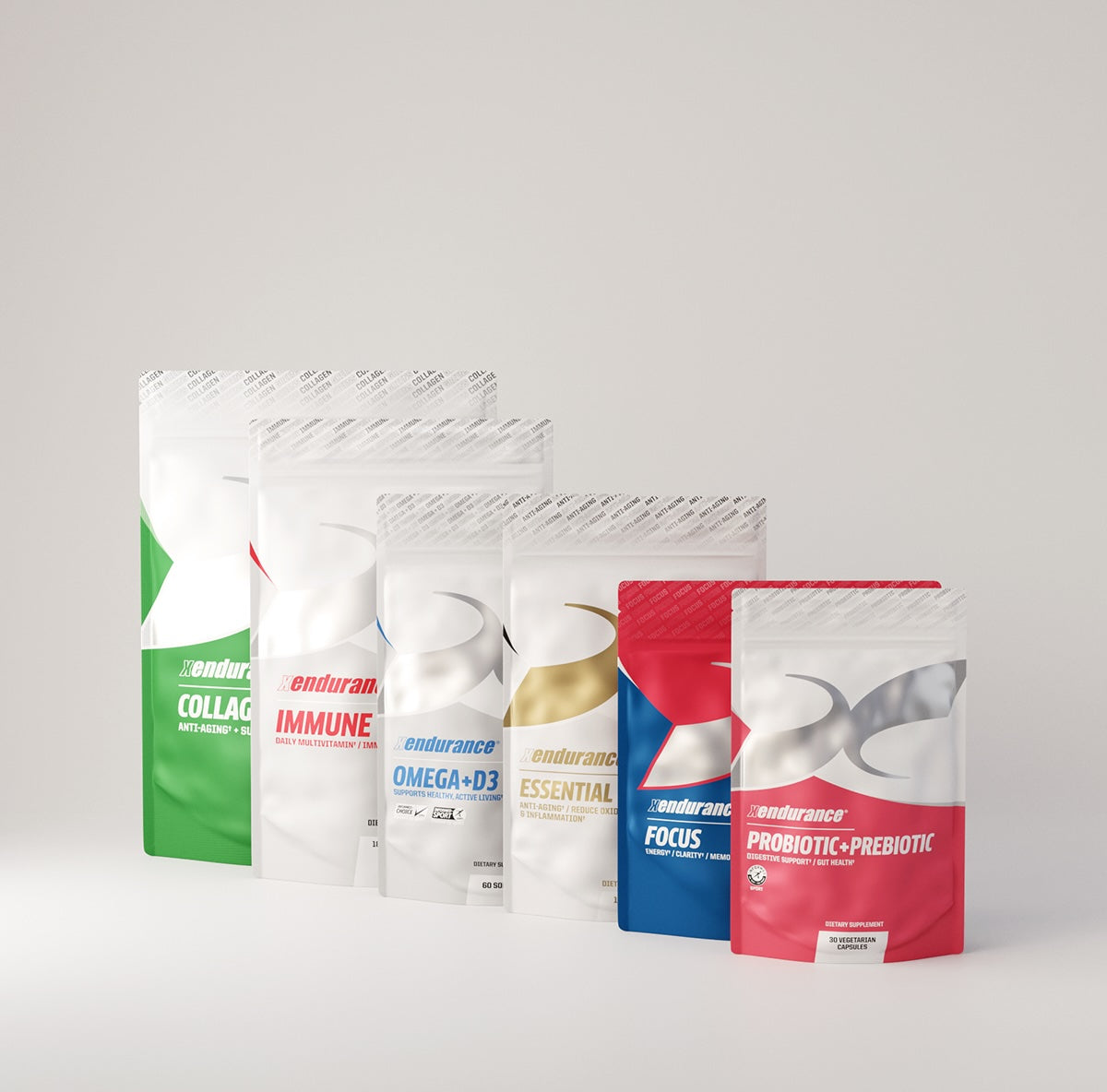
Vitamin D needs 600–800 IU daily; fatty fish (salmon: 570 IU/3oz) and fortified milk shine, but 10–15 minutes of midday sun helps. Supplements, such as the Xendurance Omega+D3 (4,000 IU) bridge gaps, especially in winter—consult a doctor for blood tests.
Magnesium thrives in almonds (80mg/oz), spinach (79mg/cup), and dark chocolate (64mg/oz). A PMC trial showed 360mg supplements boosting vitamin D efficacy.
Multivitamins help, but food-first reigns: NHANES shows supplements cut inadequacies by 20–50% when paired with diet.
A Global Perspective: Is This Just an American Problem?
No, but America's version is distinct. Globally, The Lancet Global Health (2024) estimates 68% inadequate iodine, 67% vitamin E, 66% calcium, and 65% iron—driven by poverty and staple-heavy diets in low-income countries. In the U.S., affluence paradoxically fuels "hidden hunger": processed foods provide calories but scant micronutrients, per Our World in Data. While developing nations battle iron and vitamin A deficits from undernutrition, wealthy ones like the U.S. grapple with fiber and potassium from over-refinement. A PMC comparative study notes U.S. rates for vitamin D (42%) exceed Europe's (40%) due to less fortification and more indoor time. Universal? Yes. Uniquely American? The SAD's processed tilt makes it so.
Beyond the Big Four: Emerging Concerns in Nutrient Shortfalls
Public chatter—and science—highlights more gaps. Calcium (44% inadequate) threatens bones; NHANES flags it for osteoporosis risk, especially in dairy-avoiders. Iron hits 10–16% of women, causing anemia; heme sources like lean meat are key. Omega-3s (EPA/DHA) are low in 70% due to low fish intake, linking to inflammation and depression—aim for 250–500mg daily via salmon or algae supplements. Vitamin B12 plagues 38% of over-60s, per NHANES, from absorption issues; fortified cereals or meat help. Vegans risk multiple shortfalls (B12, iron, omega-3s), warranting targeted supps.
Medication (e.g., PPIs depleting magnesium) and conditions like IBS amplify risks. A Rupa Health report ties chronic illness to 31% micronutrient inadequacy.
The Road to Replenishment: A Call to Nourish Wisely
America's nutrient voids stem from convenience over quality, but reversal is within reach. Prioritize whole foods: half your plate produce, whole grains over refined, and mindful snacking. Track via NHANES-inspired tools or apps; test levels annually. As Harvard Health advises, gradual changes yield lasting wins—no fad diets needed.
By addressing fiber, potassium, vitamin D, and magnesium—and heeding ancillary alerts—we don't just fill gaps; we fortify futures. Your fork is your fiercest ally. What's one fiber boost you'll try today?


Leave a comment
This site is protected by hCaptcha and the hCaptcha Privacy Policy and Terms of Service apply.