



In a world obsessed with numbers—calories, steps, and especially the digits on the bathroom scale—it's easy to lose sight of what truly matters for our health and happiness. For women, this fixation on weight can be particularly damaging, influenced by societal pressures, hormonal fluctuations, and life stages like pregnancy or menopause. But what if you were told that the scale is often a misleading metric? Enter the conversation around weight versus body composition—a shift that's gaining momentum in women's wellness circles. Body composition refers to the proportion of fat, muscle, bone, and water in your body, offering a far more nuanced picture of health than weight alone.
Why should women care more about body composition than weight? Should it matter how your body feels or how your clothes fit? Read on to embrace a holistic view of your body that celebrates strength, energy, and self-love over arbitrary numbers.
Understanding Weight vs. Body Composition: The Basics
Let's start with the fundamentals. Your weight is simply the total mass of your body as measured by gravity—it's a single number that doesn't distinguish between fat, muscle, or even water retention. For instance, two women could weigh the same 150 pounds, but one might have a higher percentage of muscle from strength training, making her leaner and healthier, while the other carries more fat due to sedentary habits.
Body composition, on the other hand, breaks this down. It's typically measured using tools like DEXA scans, bioelectrical impedance scales, or even simple calipers, revealing percentages of body fat versus lean mass (muscle, bones, organs). Ideal body fat for women ranges from 21-31% for ages 20-39, but this varies by age, ethnicity, and fitness level. Why does this matter more? Muscle is denser than fat, so building it can make you look slimmer and feel stronger without the scale budging—or even while it increases slightly.
For women, hormonal factors play a huge role. Estrogen influences fat storage around the hips and thighs, and fluctuations during menstrual cycles can cause water weight swings of up to 5 pounds. During menopause, declining estrogen often leads to increased abdominal fat, but focusing on body composition through resistance training can mitigate this by preserving muscle mass. Studies show that women who prioritize composition over weight report higher self-esteem and sustained motivation in their fitness journeys.
Why Body Composition Trumps Weight for Women's Health
Women face unique challenges that make the scale an unreliable ally. Societal beauty standards often push for "thinness" at any cost, leading to yo-yo dieting that erodes muscle and slows metabolism. But shifting to body composition empowers us to build resilience. Muscle not only boosts metabolism (burning more calories at rest) but also supports bone health, crucial for preventing osteoporosis—a risk that spikes post-menopause.
Consider pregnancy: Weight gain is essential, but it's the composition that affects recovery. Gaining muscle pre- and post-partum helps with core strength and energy levels. Similarly, in PCOS (polycystic ovary syndrome), which affects up to 10% of women, insulin resistance can lead to fat accumulation. Here, improving body composition through balanced nutrition and exercise reduces symptoms more effectively than chasing weight loss alone.
The mental health angle is profound, too. Obsessing over weight correlates with higher rates of disordered eating among women. By contrast, tracking composition fosters a positive relationship with your body, emphasizing capability over appearance.
Embracing Body Positivity: Loving Your Body at Every Stage
Body positivity isn't just a buzzword—it's a revolutionary mindset for women tired of the scale's tyranny. Coined in the 1960s and amplified by modern movements, it encourages accepting all bodies, regardless of size or shape. In the context of weight vs. composition, it means celebrating non-scale victories (NSVs) like fitting into old jeans comfortably or feeling energized throughout the day.
For women, body positivity combats the internalized fatphobia from media portraying airbrushed ideals. It reminds us that health isn't one-size-fits-all; a curvy woman with balanced composition can be just as fit as a slender one.
Integrating body positivity means ditching "before and after" photos focused on pounds lost and instead journaling how exercise enhances mood or reduces stress. Research from 2025 highlights that women practicing body-positive affirmations experience lower cortisol levels, aiding fat loss indirectly by curbing emotional eating.
Intuitive Eating: Tuning Into Your Body's Signals
Intuitive eating, developed by dietitians Evelyn Tribole and Elyse Resch, is a game-changer for women seeking freedom from diet culture. It involves rejecting external rules (like calorie counting) and honoring internal cues—eating when hungry, stopping when full, and choosing foods that satisfy both nutritionally and emotionally.
Why pair this with body composition? Diets often lead to muscle loss and rebound weight gain, worsening composition. Intuitive eating supports sustainable habits: craving protein might signal muscle repair needs, while honoring rest days prevents overtraining. For women, this is especially vital during hormonal shifts; intuitive eaters report fewer PMS cravings and better energy.
Practical tips: Rate hunger on a 1-10 scale before meals, experiment with joyful movement like dancing, and forgive "slips" without guilt. Over time, this builds a body that's composed efficiently because it's fueled intuitively, not restrictively.
How Your Body Feels and Clothes Fit: True Indicators of Progress
Forget the scale—listen to your body. Do you have more stamina for daily tasks? Better sleep? Elevated mood? These "feel" metrics reflect improved composition. Muscle enhances mitochondrial function, boosting energy, while excess fat can cause inflammation and fatigue.
Clothes fit is another underrated gauge. As composition improves, pants loosen around the waist even if weight stays steady, thanks to fat redistribution. Women often notice this during strength programs: "My jeans are baggy, but the scale hasn't moved!" This is composition at work—muscle takes less space than fat.
Track these subjectively: Keep a weekly journal of energy levels or take progress photos in the same outfit. Wellness trends, apps now incorporate "feel-good" trackers alongside composition scans for a fuller picture.
The Rise of GLP-1 Medications: A Tool for Composition Change
GLP-1 agonists, like semaglutide (Ozempic, Wegovy), have exploded in popularity by 2025, mimicking the hormone glucagon-like peptide-1 to regulate appetite and blood sugar. For women with obesity or type 2 diabetes, they offer significant weight loss—5-18% in trials—but their impact on composition is nuanced.
Studies show GLP-1s primarily reduce fat mass, especially visceral fat, improving metabolic health. However, some report lean mass loss, prompting concerns about "Ozempic face" or muscle wasting, particularly in older women. For PCOS sufferers, they can effectively lower their BMI and insulin resistance.
To optimize, combine GLP-1s with resistance training and protein-rich diets to preserve muscle. Women using them alongside intuitive eating report sustained results, focusing on how they feel—more vibrant and less hungry—over scale drops. Always consult a doctor, as side effects like nausea can occur.
Supplements Like Xendurance's Lean+: Supporting Lean Mass
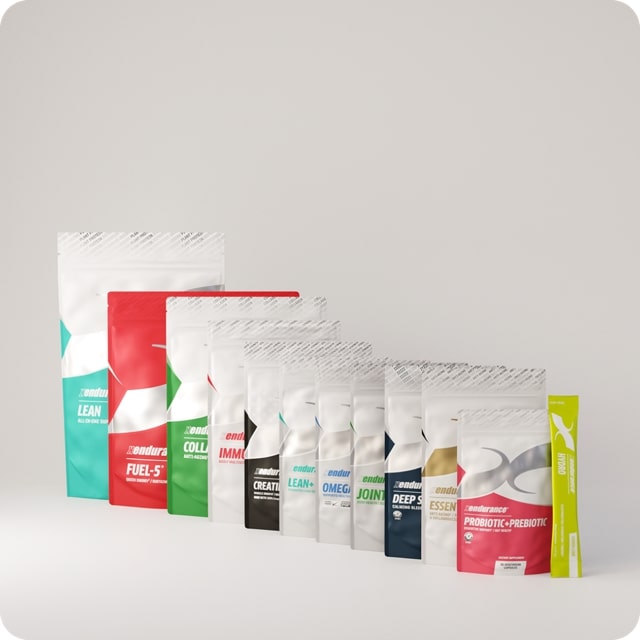
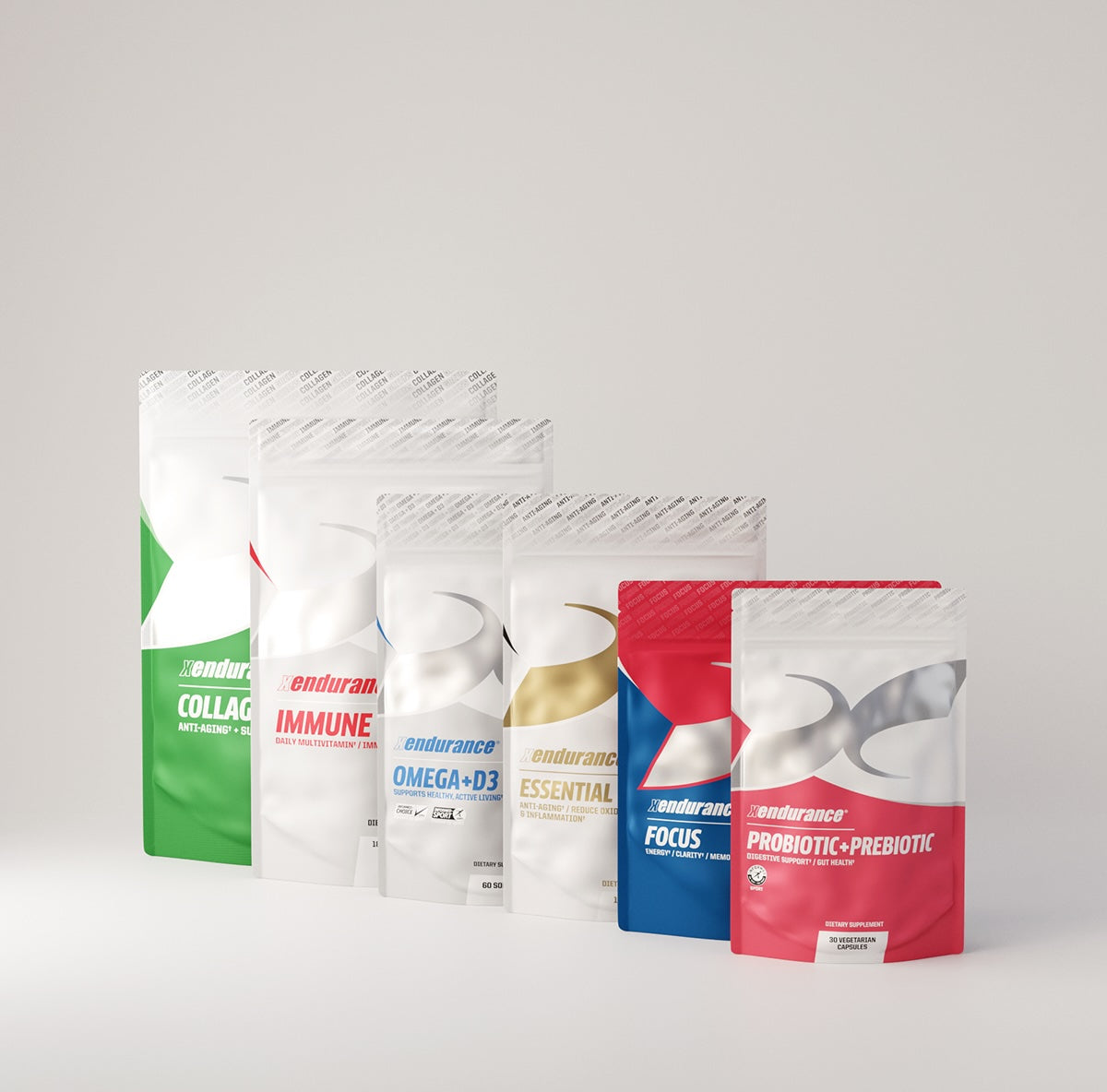
In the supplement world, Xendurance's Lean+ stands out for women aiming to enhance body composition without harsh stimulants. Formulated with patented Forslean® (forskolin from Coleus forskohlii), it's clinically proven to promote fat loss while boosting lean body mass. Key ingredients include green tea extract for metabolism support and vitamins D and B-complex for energy and muscle maintenance. Studies from the US, Japan, and India back forskolin's effects on composition, making Lean+ ideal for endurance athletes or busy women. Users report reduced body fat without muscle sacrifice, aligning with body positivity by focusing on strength. While not a magic pill, Lean+ complements lifestyle changes, helping women feel empowered in their composition journey.
Ditch the Scale – Build a Body That Feels Strong and Vibrant
Shifting from weight to body composition isn't just about health—it's about liberation for women. By embracing body positivity, intuitive eating, and cues like how you feel or how clothes fit, we reclaim our narratives from diet culture. Tools like GLP-1s and supplements such as Xendurance's Lean+ can accelerate progress, but they're most effective when supporting a feel-good approach.
Remember, your worth isn't a number. Focus on building a body that carries you through life with vitality and joy. Start today: Ditch the scale for a week and note how empowered you feel. Your future self will thank you.


Leave a comment
This site is protected by hCaptcha and the hCaptcha Privacy Policy and Terms of Service apply.