

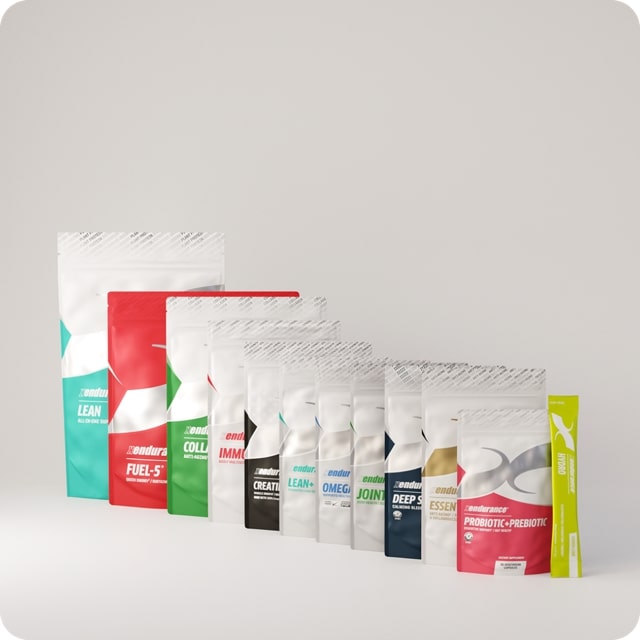

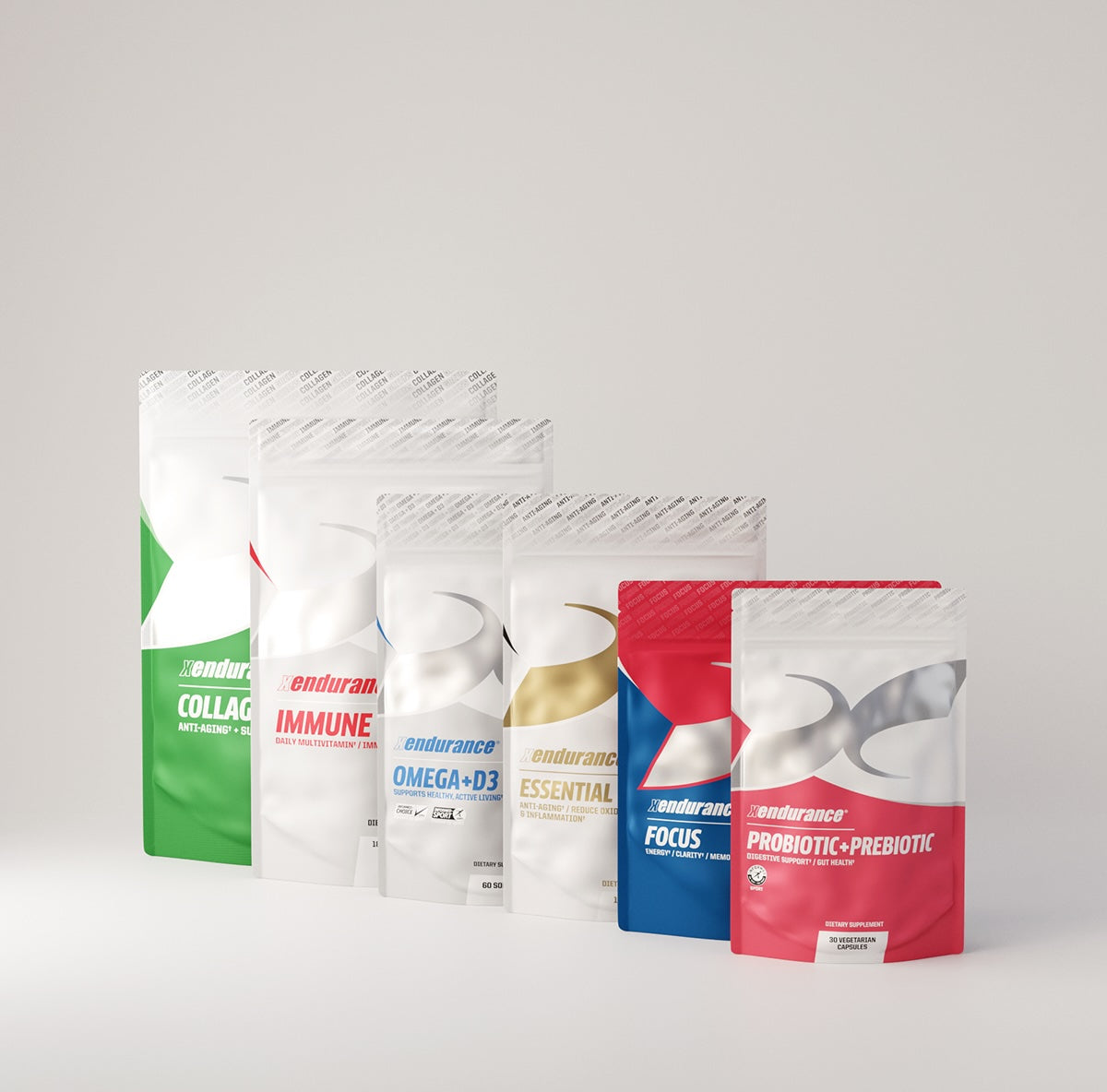

Broccoli has long been hailed as a nutritional powerhouse, but its tiny 3- to 5-day-old sprouts pack a dramatically more concentrated punch. Broccoli sprout extract (from Brassica oleracea) has become a sought-after ingredient in premium multivitamins, immune blends, and targeted wellness supplements. The star compound is sulforaphane, a potent isothiocyanate formed when the precursor glucoraphanin meets the enzyme myrosinase.
Why add a concentrated sprout extract when you can just eat broccoli?
The answer lies in potency, consistency, bioavailability science, and the practical challenge of delivering meaningful doses of this unique phytonutrient. Brands like Xendurance incorporate broccoli sprout concentrate into products such as Immune Boost to harness its Nrf2-activating properties alongside other antioxidants. Here’s a clear-eyed look at what the research actually shows.
What Exactly Is Broccoli Sprout Extract?
Broccoli sprouts are harvested just days after germination, when glucoraphanin levels peak. A landmark 1997 study from Johns Hopkins researchers (Fahey, Zhang & Talalay) found that 3-day-old broccoli sprouts contain 10–100 times more glucoraphanin than mature broccoli florets or stalks. Full study (PNAS).
When the plant tissue is damaged (chewing, chopping, or processing), myrosinase converts glucoraphanin into sulforaphane. Extracts standardize this process or deliver stabilized glucoraphanin (sometimes with added myrosinase) so manufacturers can deliver reliable amounts in capsules or powders.
Unlike mature broccoli, young sprouts are also lower in certain indole glucosinolates that can have mixed biological effects. This makes sprout-derived material especially attractive for supplements focused on detoxification and cellular protection.
Why Is It Added to Multivitamins and Immune Formulas?
Traditional multivitamins deliver vitamins and minerals. Modern “next-gen” formulas also target cellular defense pathways. Sulforaphane is one of the most potent natural activators of Nrf2 (nuclear factor erythroid 2-related factor 2), often called the master regulator of antioxidant and detoxification responses.
When Nrf2 is activated, cells ramp up production of phase II detoxification enzymes (GST, NQO1, UGTs), antioxidant proteins (glutathione-related enzymes, SOD, catalase), and anti-inflammatory mediators. This “hormetic” effect — a mild, beneficial stress that triggers strong protective responses — explains why broccoli sprout extract appears in immune, detox, and longevity-oriented products. It complements vitamin C, D, zinc, quercetin, curcumin, and BioPerine® (piperine), which can further support absorption and Nrf2 signaling.
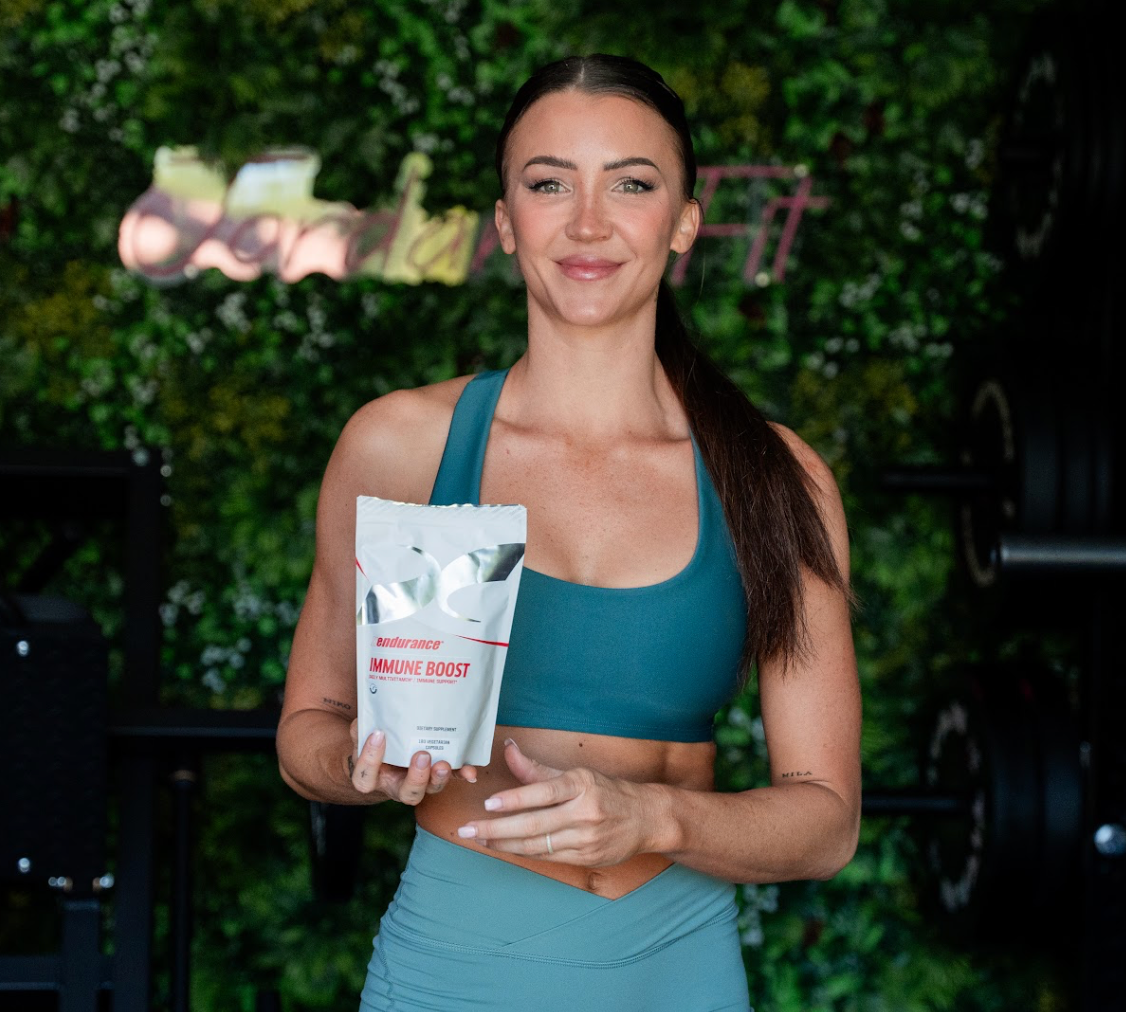
Xendurance Immune Boost positions broccoli sprout concentrate as part of a broader antioxidant and Nrf2-activation blend (with acai fruit and curcumin) to help combat oxidative stress and support overall immune and cellular health. It’s not marketed as a mega-dose sulforaphane product; rather, it contributes to a comprehensive daily defense formula alongside chelated minerals, lutein/zeaxanthin for eyes, and other phytonutrients. Informed-Sport certification adds appeal for athletes.
Health Benefits: What Does the Science Say?
Cellular protection and detoxification
Sulforaphane induces phase II enzymes that help neutralize carcinogens, environmental toxins, and reactive oxygen species before they damage DNA or proteins. Human studies with broccoli sprout beverages or extracts have shown increased excretion of pollutants and improved biomarkers of detoxification. See review of mechanisms.
Antioxidant and anti-inflammatory effects
By boosting endogenous antioxidants and modulating NF-κB (a key inflammatory pathway), sulforaphane helps reduce oxidative stress. This is relevant for exercise recovery, aging, and chronic low-grade inflammation. Reviews detail its role in the Keap1/Nrf2/ARE pathway.
Immune and respiratory support
Nrf2 activation supports healthy immune cell function and may improve the bronchoprotective response in some individuals. Broccoli sprout preparations have been studied for their effects on cold symptoms and airway inflammation. Air-pollution research (e.g., in China) showed broccoli sprout beverages helped mitigate some pollutant-related biomarkers.
Cardiovascular and metabolic health
Small human trials link sulforaphane-rich preparations to improved endothelial function, modest blood pressure support, and better insulin sensitivity/glucose handling in certain populations. Baralić et al., 2024 review.
Brain and neurological interest
Preclinical work and early human studies explore neuroprotective potential via reduced oxidative stress and inflammation. Some small trials in autism spectrum conditions have reported behavioral improvements, though larger studies are needed.
Other emerging areas
Research continues on skin protection (UV response), gut health (microbiome interactions), and exercise performance/recovery. Many benefits appear tied to consistent, meaningful intake rather than one-off high doses. For a comprehensive overview of clinical translation challenges and opportunities, see Fahey & Kensler (2021) on broccoli sprout trials: Frontiers in Nutrition.
Important caveat: Most strong data come from biomarker studies, animal models, and small-to-medium human trials. Sulforaphane is not a cure or standalone treatment for any disease. It is a supportive dietary compound best used as part of an overall healthy lifestyle.
Broccoli Sprout Extract vs. Simply Eating Broccoli
Concentration advantage
You would need to eat roughly 10–50+ times more mature broccoli to match the glucoraphanin/sulforaphane potential of a modest serving of 3-day sprouts, per the 1997 Fahey study and follow-ups.
Bioavailability reality check
Fresh, raw or lightly damaged sprouts often produce higher plasma sulforaphane levels because they contain active myrosinase. A key crossover study found dramatically higher bioavailability from fresh broccoli sprouts compared to certain myrosinase-inactivated supplements.
Newer, better-formulated supplements (delayed-release with added myrosinase, stabilized extracts, or liposomal) narrow this gap. Still, whole-food sprouts frequently win on raw absorption metrics in research.
Whole-food advantages you don’t want to lose
Mature broccoli and sprouts provide fiber, vitamin C, K, folate, potassium, and a spectrum of polyphenols and other glucosinolates. The fiber supports gut health and may aid conversion by microbiome. Lightly steaming broccoli preserves more myrosinase activity than boiling or microwaving aggressively. Raw or very lightly cooked is best for enzyme activity but can be harder to digest in volume.
Practical trade-offs
- Sprouts/extracts win on dose consistency, convenience, and achieving higher sulforaphane exposure without eating pounds of vegetables daily.
- Whole broccoli wins on cost, additional nutrients, satiety, and synergistic food-matrix effects.
- Best approach: Eat cruciferous vegetables (broccoli, Brussels sprouts, kale, cauliflower, cabbage, arugula) several times per week + consider a quality sprout extract or powder when you want targeted, higher intake.
The Bottom Line: Eat Your Broccoli — and Consider the Sprout Advantage
Epidemiological data consistently link higher cruciferous vegetable intake with better health outcomes, particularly around oxidative stress, inflammation, and certain cancer risks. Broccoli sprouts simply amplify the delivery of one of the most researched protective compounds in that family.
Practical tips:
- Grow your own sprouts — cheap, fresh, and fun (rinse twice daily, harvest ~day 3–5).
- Lightly steam or enjoy raw in salads/smoothies when possible.
- Pair supplements with meals containing a little healthy fat for absorption.
- If you have thyroid concerns, enjoy crucifers cooked and maintain adequate iodine; typical supplement doses are generally well-tolerated.
Broccoli sprout extract isn’t magic, but it is one of the most evidence-backed plant compounds for supporting the body’s own defense systems via Nrf2. Whether it arrives in a high-quality multivitamin like Xendurance Immune Boost or as a standalone capsule, it offers a convenient way to access benefits that would otherwise require eating impractically large amounts of broccoli.
The smartest strategy remains simple: fill half your plate with colorful vegetables (including plenty of crucifers), move your body, sleep well, and use targeted supplements to fill gaps or reach higher therapeutic intakes when it makes sense for your goals. Small daily choices rooted in strong science can compound into meaningful health benefits over time.



コメントを書く
このサイトはhCaptchaによって保護されており、hCaptchaプライバシーポリシーおよび利用規約が適用されます。