




Hyrox has taken the fitness world by storm in 2026. With over 550,000 athletes racing globally last year, this standardized format—8km of running interspersed with eight brutal functional stations—has become the go-to event for hybrid athletes, runners seeking new challenges, and everyday gym-goers chasing competition. The race format is simple yet punishing: SkiErg (1000m), Sled Push, Sled Pull, Burpee Broad Jumps, RowErg (1000m), Farmer’s Carry, Sandbag Lunges, and Wall Balls, each separated by a 1km run.
But here’s the truth most beginners discover too late: the real separator between a solid finish and a personal best isn’t raw strength or pure running speed. It’s compromised running—the ability to knock out that next 1km when your legs are absolutely fried from leg-dominant stations like the sled push, sled pull, burpees, or lunges. This is the biggest game-changer in Hyrox training. Fresh legs feel easy. Running after 50m of heavy sled pushing? That’s a different sport entirely.
Whether you’re a first-timer aiming to finish under 90 minutes or chasing a sub-60 pro split, we will provide you with your roadmap to running stronger when it counts most.
Understanding Compromised Running: Why It’s Hyrox’s Secret Weapon
Compromised running occurs when you transition straight from a high-intensity, fatigue-inducing station into a 1km run. Leg-heavy efforts like the sled push (which hammers quads and glutes), sled pull (posterior chain burn), burpee broad jumps (explosive power plus cardio), and sandbag lunges (unilateral leg endurance) flood your muscles with lactate, spike your heart rate, and leave you in a state of “heavy legs.” Your stride shortens, form breaks down, and what should be a recovery jog turns into a survival shuffle.
Top coaches and athletes call it the “real test in Hyrox.” As one Red Bull guide puts it, you don’t win on fresh legs—you win by running well when you’re tired. Discussions on social media and Instagram reels echo this: “Stop training stations alone. Train compromised running.” Without it, even strong athletes hit a wall mid-race, losing 20-30 seconds per km after the fourth station.
The science? It trains your body to clear lactic acid faster, maintain running economy under fatigue, and build mitochondrial adaptations for repeated high-output efforts. Over time, it turns that dreaded “burn” into manageable discomfort.
Training Methods: Building Compromised Running Into Your Pre-Event Plan
The key is specificity. Isolated treadmill runs or gym sessions won’t cut it. You must simulate race conditions: run → station → run, repeatedly.
Start with the Basics (4-6 Weeks Out):
Begin with “brick” workouts 2-3 times per week. A simple session: 4-6 rounds of 800m-1km run at goal race pace + one leg-heavy station (e.g., 20-30 sandbag lunges or 10 burpee broad jumps). Rest 1-2 minutes between rounds to mimic transitions. Focus on controlled breathing and quick form reset on the run.
Progress to Full Simulations (3-4 Weeks Out):
Once a week, do a partial or full race sim. Example from Hybrid Athlete Club and Rox Lyfe athletes:
- Run 1km
- 1000m SkiErg (or sub in sled push)
- Run 1km
- Sled Push 50m
- Run 1km
- Burpee Broad Jumps 100m
- And so on for 4-6 stations.
Keep total volume at 60-80% of race distance early on, building to 100%. Track splits—your goal is consistent run times even as fatigue builds.
Advanced Tweaks for Leg-Heavy Focus:
- Sled-Specific Days: 5x (400m run + 25m sled push at race weight). Emphasize explosive drive and quick transition—no walking the recovery run.
- Burpee/Lunge Circuits: Run 1km → 40 burpee broad jumps → Run 1km → 40 sandbag lunges (alternating legs). This directly hits the stations that destroy stride.
- EMOM or Ladder Workouts: Popular on Instagram: Every minute on the minute, alternate run segments with station reps to force pacing under pressure.
Include 3-4 easy runs weekly (zone 2) for base building, plus one longer 8-10km steady run. Total weekly running: 30-50km, depending on your level. Strength days remain crucial—focus on posterior chain, core, and grip—but never skip the run-after-station work.
Common Pitfalls from Community Buzz: Athletes often discuss starting too fast on early runs, leading to blow-ups later. Fix: Practice conservative pacing (aim for even or negative splits in sims). Transitions are another hot topic—drill quick station setups to save 5-10 seconds per loop. Many pros now use apps like Runna or custom Hyrox plans for structured progression.
Nutrition: Fueling for Better Running Under Fatigue
Diet directly impacts how well you handle compromised running. Hyrox demands sustained energy for 60-90+ minutes, so prioritize glycogen replenishment and recovery.
Daily Macros (Training Phase):
- Carbs: 4-7g per kg bodyweight (e.g., 280-490g for a 70kg athlete). Oats, sweet potatoes, rice, fruit, and pasta top up stores for those repeated efforts.
- Protein: 1.4-2g per kg for muscle repair (eggs, lean meats, Greek yogurt, whey).
- Fats: 20-30% of calories from avocados, nuts, and olive oil for hormone health.
Pre-Workout (2-3 Hours Before): Carb-heavy meal like oatmeal with banana and honey + protein shake.
During Long Sessions: Gels or sports drinks every 30-45 minutes to maintain blood sugar.
Post-Workout: Immediate 30g protein + 60-90g carbs (e.g., chocolate milk, or protein shake + banana) to kickstart recovery.
Hydration is non-negotiable—dehydration worsens lactate buildup. Aim for 3-4 liters daily plus electrolytes.
Athletes on forums rave about “fueling like an endurance athlete, not just a lifter.” One common mistake: undereating carbs, which tanks late-race run performance.
Supplements: Performance and Recovery Boosters
Supplements aren’t magic, but smart choices amplify training. Core stack for Hyrox:
- Creatine monohydrate (5g daily) for power in stations.
- Electrolytes for hydration during sweaty sims.
- Omega-3s for inflammation and sleep.
- Protein for recovery
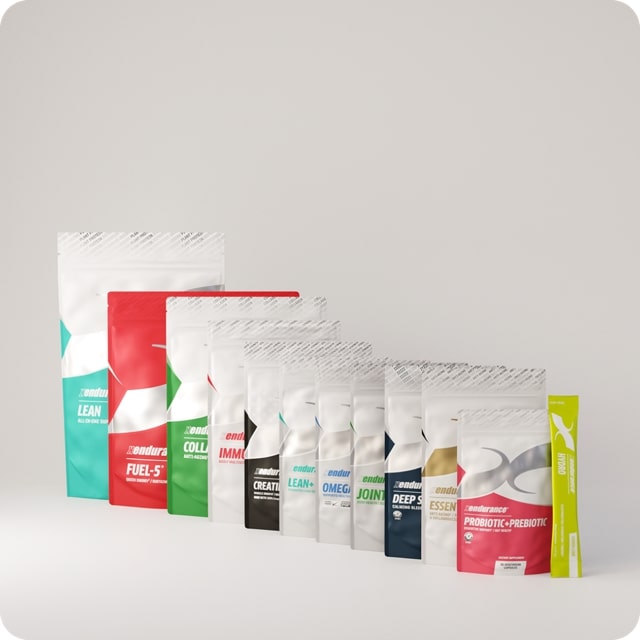
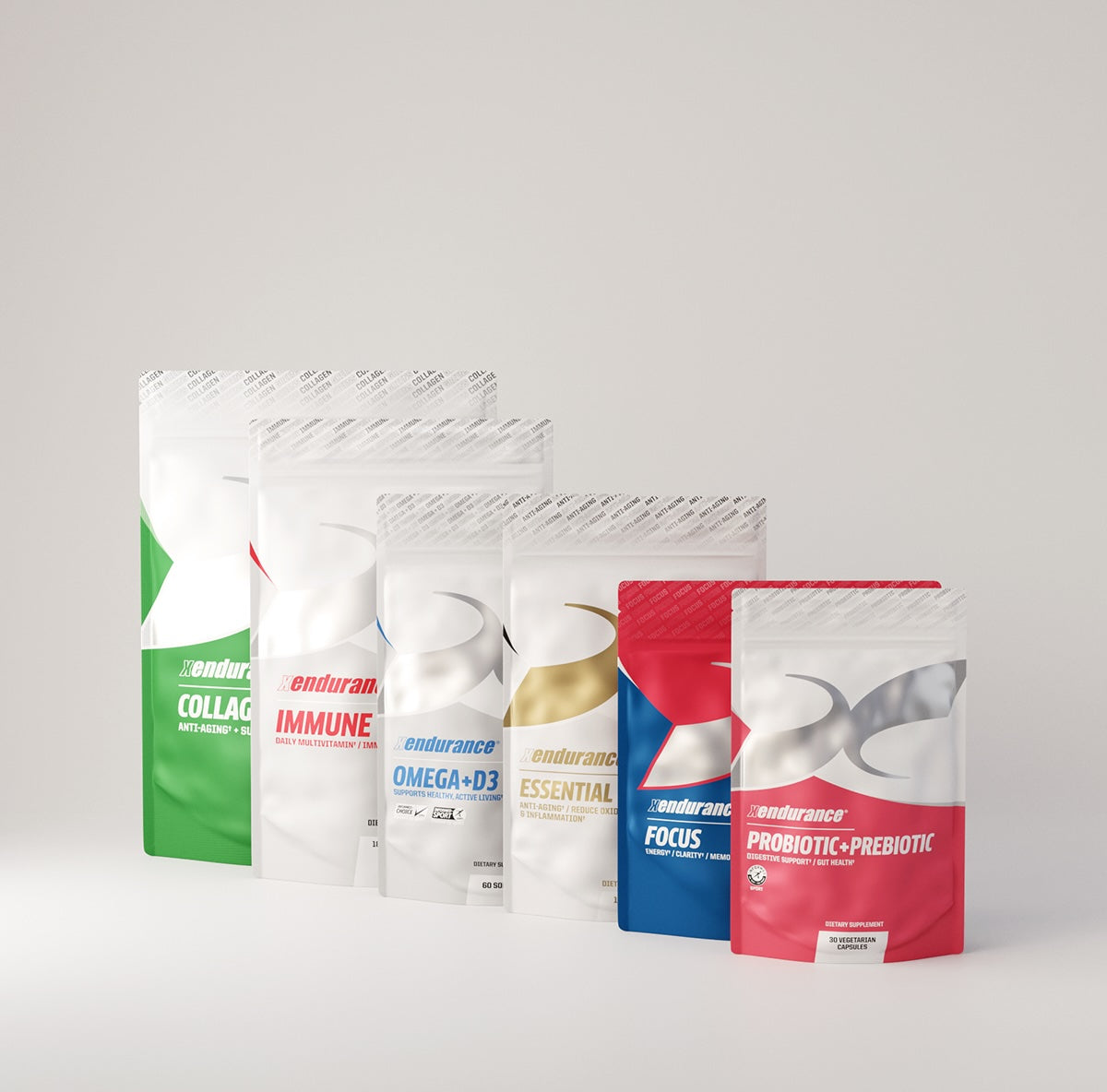
Xendurance’s Extreme Endurance: The #1 Choice Among Hyrox Competitors
When it comes to specifically tackling the lactic acid nightmare of compromised running, Xendurance’s Extreme Endurance stands out as the top pick for many serious athletes. This clinically tested formula—packed with natural electrolytes, minerals, and antioxidants—is designed to buffer lactic acid, reduce muscle damage, and speed recovery.
Why do Hyrox competitors swear by it? Independent studies show it lowers lactic acid buildup by up to 26%, decreases creatine kinase (CK) levels (a marker of muscle breakdown) dramatically, and even boosts VO2 max in trained and untrained individuals. For Hyrox, that translates to fresher legs on those post-sled or post-burpee runs. Athletes report less soreness, quicker bounce-back between sessions, and sustained power in later stations—allowing faster overall run splits.
You’ll see Xendurance athletes dominating events like Hyrox Chicago, with pros and age-groupers posting testimonials: “Cut my mile time and recovered faster after heavy leg days.” It’s Informed Sport-certified for sport (zero banned substances), making it race-legal and trusted. Athletes take 6 tablets daily and even bump the dosage up to 8 tablets, 7-10 days out from their event. Paired with Xendurance's Hydro, 50 hydration stick packs, it’s a complete system for the demands of Hyrox.
If you’re serious about running better when fatigued, this is the supplement that gives you the edge. It has been trusted by some of the best athletes in the world since 2008.
Extra Tips from the Hyrox Community: Becoming a Stronger Runner
- Pacing Mastery: Use runs as active recovery—steady effort, not all-out. Vary training paces to build resilience.
- Mobility and Recovery: Daily foam rolling, yoga for hips/ankles, and 7-9 hours sleep. Many discuss active recovery days with light swims or bikes.
- Mental Game: Compromised runs build grit. Visualize pushing through the burn.
- Gear Matters: Good running shoes with cushion (plus gym-ready traction) prevent blisters and support fatigued strides.
- Race Week Taper: Reduce volume 50% but keep 1-2 short compromised sessions. Carb-load 2-3 days out.
Final thought: Compromised running isn’t just training—it’s the skill that separates finishers from podium chasers. Commit to it consistently, fuel smart, and supplement strategically (with Extreme Endurance leading the pack for buffering lactic acid), and you’ll cross that finish line running stronger than you ever thought possible.
Ready to level up? Grab a training plan, book your next Hyrox, and start today. Your legs will thank you when it matters most.


コメントを書く
このサイトはhCaptchaによって保護されており、hCaptchaプライバシーポリシーおよび利用規約が適用されます。