




In the sun-drenched islands of Okinawa, Japan—one of the world’s original Blue Zones—people routinely live past 100 with remarkable vitality. The secret? Not exotic superfoods or expensive regimens, but a humble staple that powered nearly their entire diet: the sweet potato. For generations of Okinawan centenarians, sweet potatoes (both vibrant purple “beni imo” and classic orange varieties) supplied around 60-70% of daily calories, forming the backbone of a vegetable-heavy, plant-powered eating pattern.
This wasn’t a fad diet. It was a necessity turned genius. Rice struggled in Okinawa’s typhoon-battered soil, but sweet potatoes thrived after being introduced from China in the 1600s. They became the caloric and nutritional cornerstone, delivering sustained energy while flooding the body with antioxidants, fiber, and micronutrients. Science now confirms what Okinawans lived: this diet slashes inflammation, stabilizes blood sugar, and supports extraordinary healthspan.
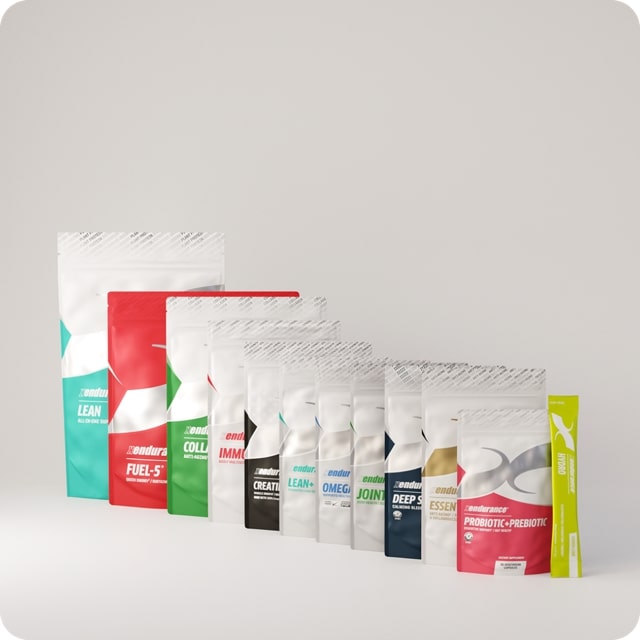
Today, that same ancient wisdom powers elite athletes. Xendurance’s Fuel-5 and Fuel-5+ pre-workout formulas harness organic sweet potato as a core fuel source in a smart carbohydrate blend. The result? Clean, crash-free energy that mirrors the steady vitality Okinawans enjoyed for a century. Let’s dive into the science—and why this root vegetable is far more than a side dish.
The Okinawan Diet: Vegetables First, Sweet Potatoes Everywhere
Traditional Okinawan eating was about 90% plant-based and strikingly low in calories—often around 1,800 per day for adults, with a cultural practice called hara hachi bu (eat until 80% full). Vegetables made up roughly 58-60% of the diet by weight, but sweet potatoes dominated the calorie count. Archival data from the 1940s-1950s show sweet potatoes alone providing the majority of energy—cited in studies as ~69% in some records and consistently 60%+ for centenarians throughout their lives.
Meat and fish were rare treats; pork appeared mainly in soups or celebrations. Soy foods like tofu and miso, seaweed, bitter melon, and greens rounded out meals. The diet was high in complex carbs (about 85% of calories), moderate in protein (9%), and low in fat (6%). This pattern correlated with dramatically lower rates of heart disease, cancer, and dementia—outcomes researchers attribute to the nutrient density and caloric restraint.
Sweet potatoes weren’t just filler. Okinawans ate both purple and orange varieties daily, often steamed, boiled, or mashed into porridges and soups. The purple beni imo, with its deep violet flesh, was especially prized locally, while orange types added beta-carotene richness. This colorful duo turned every meal into a phytochemical powerhouse.
Why Sweet Potatoes Are Nutritional Superstars: Science of Orange vs. Purple
Sweet potatoes earn their “superfood” status through a perfect storm of complex carbohydrates, fiber, vitamins, minerals, and targeted antioxidants. A medium sweet potato delivers about 100-120 calories, 25g of carbs, 4g of fiber, and negligible fat—making it an efficient, low-glycemic fuel source.
Orange sweet potatoes shine because of beta-carotene, the pigment that gives them their vivid hue. The body converts this into vitamin A at rates far superior to many other foods—up to 4x the daily value in one serving. Vitamin A supports vision, immune function, and skin health, while beta-carotene itself acts as a potent antioxidant, neutralizing free radicals that drive aging and chronic disease. Studies link regular orange sweet potato intake to better immune resilience and reduced risk of vitamin A deficiency-related issues.
Purple sweet potatoes (like Okinawa’s beni imo) take the antioxidant crown with anthocyanins—the same compounds in blueberries, but often in higher concentrations and more stable forms. These water-soluble pigments deliver powerful anti-inflammatory and anti-oxidative effects. Research shows purple varieties can have nearly twice the antioxidant capacity of orange or white types, with specific anthocyanins like cyanidin and delphinidin glucosides protecting cells from oxidative stress.
Animal and human studies highlight anthocyanins’ benefits: improved blood sugar regulation (via slowed starch digestion), neuroprotective effects (potentially easing chronic stress impacts on the brain), reduced inflammation markers (IL-6, TNF-α), and even anti-cancer potential through apoptosis induction in certain cell lines. Purple sweet potatoes also boast higher total phenolic content and fiber in some cultivars, supporting gut health and satiety.
Both colors share standout micronutrients: vitamin C (for collagen and immunity), vitamin B6 (energy metabolism), potassium (blood pressure and muscle function), and manganese (antioxidant enzyme support). Their low-to-medium glycemic index—thanks to resistant starch and fiber—prevents blood-sugar spikes and crashes, providing steady energy for hours. This is why Okinawans could stay active all day on modest calories without fatigue or metabolic chaos.
Combined, these properties combat the oxidative stress and inflammation central to aging. Okinawan centenarians showed lower chronic disease rates partly because their staple food delivered antioxidants in bioavailable, everyday doses—far more practical than isolated supplements.
From Longevity Staple to Athletic Fuel: The Performance Edge
The same traits that fueled Okinawan longevity translate beautifully to modern training. Exercise generates oxidative stress and depletes glycogen. Sweet potatoes counter this with complex carbs for sustained glycogen replenishment, fiber for gut-friendly digestion, and a bounty of antioxidants that may reduce delayed-onset muscle soreness (DOMS) and inflammation.
Their moderate glycemic response makes them ideal pre-workout: energy releases gradually, avoiding the spike-and-crash of simple sugars. Potassium helps prevent cramps, while vitamins B6 and C support energy production and recovery. Studies on athletes confirm complex-carb sources like sweet potatoes promote longer endurance sessions and better blood-sugar stability during prolonged activity.
Xendurance Fuel-5 and Fuel-5+: Ancient Wisdom, Modern Formulation
Xendurance took this science to the next level with Fuel-5 and Fuel-5+. These pre-workout carbohydrate blends feature organic sweet potato as a cornerstone of a proprietary five-fuel system—delivering nutrient-dense, clean carbs alongside sucrose (fast start), dextrose (rapid absorption), maltodextrin (mid-duration), and lactate (the body’s preferred energy substrate).
Lactate isn’t a waste product—it’s a signaling molecule and efficient fuel that muscles, heart, and brain use preferentially, sparing glycogen stores for later in workouts. By including it with sweet potato’s complex carbs, Fuel-5 creates quick, mid-, and long-lasting energy without jitters or crashes. Electrolytes plus B6 and B12 further enhance hydration, energy metabolism, and recovery, reducing muscle burn and cramping.
Fuel-5+ adds 45mg of natural caffeine from green tea for an extra focus boost while keeping the formula clean—no artificial sweeteners or fillers. Both are Informed Sport certified, light-tasting, and mix easily for pre-, intra-, or post-workout use. The sweet potato component isn’t just for flavor or marketing; its antioxidants (anthocyanins and carotenoids) provide anti-inflammatory benefits that combat exercise-induced stress, while the nutrient profile supports overall metabolic health—exactly as it did for Okinawan elders.
Athletes report steady stamina for long runs, rides, or high-intensity sessions, with balanced blood sugar that keeps energy even. It’s the Okinawan diet engineered for performance: sustained fuel from nature’s powerhouse, backed by modern carb science.
Lessons from Okinawa for Today
The Okinawan sweet potato story proves that simple, colorful plants can be profound medicine. Whether you roast purple and orange varieties at home, blend them into smoothies, or power your next training session with Xendurance Fuel-5, you’re tapping into centuries of real-world evidence. Science confirms the longevity benefits; athletes are now experiencing the performance payoff.
Next time you need fuel that lasts, remember the centenarians of Okinawa. Their plates were piled high with sweet potatoes—and your workouts (and health) can be too. Eat the rainbow, train smart, and let this ancient staple light your path to better days.


コメントを書く
このサイトはhCaptchaによって保護されており、hCaptchaプライバシーポリシーおよび利用規約が適用されます。