




For decades, endurance athletes have treated the night before a big race like a carb-fueled celebration: giant bowls of pasta, breadsticks, and heavy sauces. The “pasta party” became legendary. But new research shows this approach is outdated and often counterproductive. Today’s science favors a shorter, smarter loading phase focused on easily digestible, high-glycemic-index (high-GI) carbohydrates, precise timing, and understanding that liver glycogen and stable blood sugar matter just as much as muscle stores.
Carb loading still works—extremely well—but the protocol has evolved. Instead of 3–6 days of depletion and gorging, most athletes now achieve super-compensated glycogen levels in just 24–48 hours with 8–12 grams of carbohydrate per kilogram of body weight. The goal is no longer “eat until you can’t move”; it’s strategic fueling that maximizes performance while minimizing gastrointestinal (GI) distress, weight gain from excess fiber, and unnecessary fatigue.
Key Findings from Modern Carb-Loading Research
1. Optimal Duration & Amount: 1–2 Days Is Enough
Trained athletes don’t need a week-long protocol. Current guidelines recommend 8–12 g/kg body weight per day for 36–48 hours (or even a single day in some cases) combined with reduced training. For a 70 kg (154 lb) runner, that’s 560–840 g of carbs daily—achievable with focused, low-fiber choices. This range fully restores and often supercompensates muscle and liver glycogen without the bloat of older methods.
2. Simple, High-GI Carbs Trump Complex Ones for Loading
Focus on fast-digesting, low-fiber sources: white rice, white pasta, potatoes, pretzels, white bread, sports drinks, fruit juices, and ripe bananas. These empty the stomach quickly, deliver rapid glucose, and allow you to hit high daily totals without feeling stuffed or risking race-day bathroom stops. High-fiber whole grains, while nutritious in training, slow digestion and increase gut residue—exactly what you want to avoid pre-race. Sites like Fueling For Recovery emphasize easily digestible options (white pasta, rice, pretzels, hydration drinks) to maximize intake comfortably.
3. The 24-Hour “Flash” Loading Method
A landmark 2002 study from the University of Western Australia demonstrated that a short, high-intensity workout followed by aggressive carb intake can boost glycogen by ~80–90% in just 24 hours. Seven endurance-trained athletes performed 2.5 minutes of near-maximal cycling (150 s at 130% VO₂peak + 30 s all-out) to mildly deplete stores, then consumed 12 g carbohydrate per kg of lean body mass (roughly 10 g/kg total body weight) of high-GI foods over the next day. Muscle glycogen rose from 109 to 198 mmol/kg wet weight—levels matching or exceeding traditional multi-day protocols.
A companion study from the same group showed that simply resting and eating 10 g/kg body weight of high-GI carbs for 24 hours (no depletion workout) raised glycogen from 95 to 180 mmol/kg, with no further increase over the next two days. These “flash” methods prove that supercompensation is faster and simpler than once believed.
4. Fatigue Is Often About Blood Sugar, Not Just Muscle Glycogen
A major 2025–2026 review highlighted in EatingWell analyzed 160+ studies and challenged the classic “hit the wall = empty muscles” narrative. During prolonged exercise, falling blood glucose (driven by liver glycogen depletion) is a primary fatigue signal. The brain senses hypoglycemia and down-regulates muscle recruitment to protect itself. In-race carbohydrates primarily spare liver glycogen and maintain blood sugar, not muscle glycogen. This explains why even modest carb intake (10–15 g/hour) during events can dramatically improve performance, and why pre-race loading that tops up liver stores is so valuable.
5. Tapering Is Non-Negotiable
The 24–48 hours before loading should be low-intensity or complete rest. Hard training burns the glycogen you’re trying to store. Light activity or full taper allows muscles to become “insulin sensitive” and prioritize storage over utilization.
Common Misconceptions About Carb Loading
The Pasta Party Myth: Loading with fiber-heavy whole grains, creamy sauces, or high-fat meals the night before often causes bloating, sluggishness, or GI issues on race morning. Modern protocols favor low-residue, low-fiber choices to keep the gut light.
Muscle vs. Liver Glycogen: While muscle glycogen fuels working muscles, the performance “insurance policy” is liver glycogen, which maintains blood glucose and prevents central fatigue. Loading benefits both, but its biggest race-day payoff is stable energy delivery to the brain.
Carb Loading for Every Event: It’s unnecessary (and potentially counterproductive) for events under ~90 minutes. Short races rely more on pre-event meal timing and in-race fueling. Save full loading for marathons, Ironmans, ultras, or any effort >90–120 minutes.
Your Modern Carb-Loading Protocol: Step-by-Step
Days 3–2 Before Race (if using 48-hour window)
Moderate carbs: 5–7 g/kg
Training: Light or rest
Focus: Familiar, balanced meals
Days 1–0 (24–36 hours pre-race)
Ramp to 8–12 g/kg body weight
Training: Very light or complete rest
Emphasize high-GI, low-fiber sources
Sample Daily Targets (70 kg athlete)
700 g carbs ≈ 2,800 kcal from carbohydrate alone
Spread across 5–7 feedings to avoid discomfort
Easy, Race-Ready Foods (Aim for These)
White pasta or rice (plain or lightly sauced)
Baked or mashed potatoes / sweet potatoes (peeled)
White bread, bagels, English muffins, pretzels
Sports drinks, fruit juices, smoothies
Ripe bananas, canned fruit, applesauce
Low-fat yogurt, chocolate milk
Honey, maple syrup, jam on white toast
Rice cakes, cereal (low-fiber varieties), pancakes
Foods to Strictly Limit or Avoid
High-fiber whole grains, bran cereals, brown rice
Large salads, raw vegetables, beans, lentils
Creamy or oily sauces, fried foods, cheese-heavy dishes
Anything new or untested (no experimenting with spicy ethnic food the night before!)
Practical Meal Ideas (One High-Carb Day)
Breakfast: Bagel + banana + honey + orange juice (≈120 g)
Mid-morning: Pretzels + sports drink + applesauce (≈80 g)
Lunch: Large bowl white pasta + tomato sauce + white bread (≈150 g)
Afternoon: Rice cakes + jam + fruit smoothie (≈100 g)
Dinner: Baked potato + white rice + sports drink + low-fat yogurt (≈150 g)
Evening: Chocolate milk + pretzels (≈100 g)
Total easily exceeds 700 g while staying comfortable.
Race-Day Fueling: Keep the Engine Running with Xendurance Fuel-5
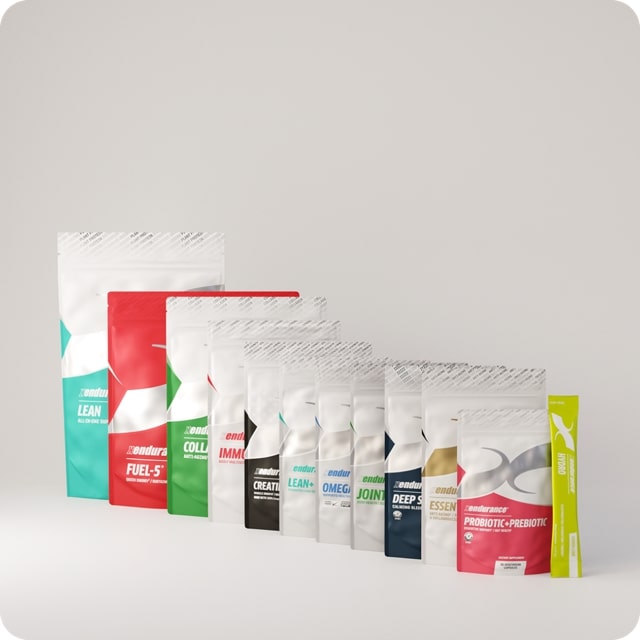
Pre-race loading tops the tank, but the real test is sustaining energy for hours. Xendurance Fuel-5 is an excellent choice for steady carbohydrate delivery during long events. It combines four carb sources—organic sweet potato (sustained release), sucrose and dextrose (fast), maltodextrin (medium)—plus lactate (the body’s preferred fuel), electrolytes, and B vitamins. No caffeine, no crash, just clean, long-lasting energy that supports hydration and reduces muscle burn.
Athletes sip 1–2 scoops mixed in water throughout the race (pre-, intra-, and even post-). Its light consistency mixes easily and sits well in the stomach, making it ideal for marathons, Ironmans, or ultras where you need 60–90+ g carbs per hour without GI drama. Pair it with your favorite gels or chews for a multi-source strategy that keeps blood sugar rock-steady.
Modern Carb Loading Unlocked: Load Smarter, Race Stronger
Carb loading isn’t about stuffing yourself at an all-you-can-eat pasta buffet. It’s a precise 24–48 hour window of high-GI, low-fiber carbohydrates consumed during a taper that maximizes both muscle and liver glycogen. The University of Western Australia’s flash protocols, updated understanding of blood-sugar-driven fatigue, and practical advice from sites like Fueling For Recovery have simplified the process while improving outcomes.
Do the math for your body weight, choose familiar foods, taper smartly, and fuel steadily on race day (Fuel-5 is a standout option). You’ll show up lighter, less bloated, and with a fuller tank—ready to perform instead of just survive.
The pasta binge is dead. Long live smart, science-backed carb loading.



コメントを書く
このサイトはhCaptchaによって保護されており、hCaptchaプライバシーポリシーおよび利用規約が適用されます。