




In today's fast-paced world, "eating healthy" has become a mantra for wellness. We're bombarded with advice to load up on fruits, vegetables, whole grains, and lean proteins. Yet, emerging science suggests that even the most diligent eaters might fall short on essential nutrients due to factors beyond our control—like depleted soils, processed water, and modern agricultural practices. This isn't about demonizing healthy eating; it's about recognizing that our food system has evolved in ways that dilute nutrient density. As a result, deficiencies in key vitamins and minerals are rampant, contributing to fatigue, weakened immunity, and chronic health issues. In this blog, we'll explore why a nutrient-rich diet alone may not suffice, backed by scientific evidence, and discuss solutions like high-quality multivitamins, the potential of organic farming, and current trends in nutrient fortification.
The Silent Crisis of Soil Depletion
Modern farming has revolutionized food production, yielding abundant crops to feed billions. However, intensive practices—such as monocropping, heavy fertilizer use, and soil erosion—have stripped the earth of vital minerals. A 2004 study analyzing U.S. Department of Agriculture data from 1950 to 1999 found declines in protein, calcium, phosphorus, iron, riboflavin, and vitamin C in 43 garden crops, attributing this to breeding for higher yields over nutrition. Similarly, a UK analysis from 1940 to 2019 revealed reductions in sodium, iron, copper, and magnesium in fruits and vegetables.
Take magnesium, a mineral crucial for over 300 enzymatic reactions, including energy production and muscle function. Soils worldwide are increasingly deficient due to acidification and overuse of potassium fertilizers, which compete with magnesium uptake. In China, about 55% of arable lands are magnesium-deficient, leading to lower concentrations in crops like fruits and vegetables. A 2021 review noted that climate change exacerbates this, with elevated CO2 levels diluting mineral content in plants.
The result? Widespread human deficiencies: over 57% of U.S. adults don't meet daily magnesium needs, linked to issues like hypertension, diabetes, and osteoporosis.
Vitamin D presents a different challenge. While not directly from soil (plants don't produce it), its deficiency ties into modern diets and lifestyles. Few foods naturally contain vitamin D—mainly fatty fish and fortified items—and soil-depleted produce offers little indirect support via precursors. A 2008 study highlighted that vitamin D deficiency is pandemic, exacerbated by limited sun exposure and inadequate dietary sources. Nearly two-thirds of Americans are insufficient, increasing risks for autoimmune diseases, cancers, and infections. Other nutrients like zinc, iron, and selenium follow suit, with historical declines up to 38% in some crops. These deficiencies manifest as subtle symptoms: low energy, poor mood, and weakened bones, underscoring that "healthy" eating from nutrient-poor sources isn't enough.
The Hidden Drawbacks of Filtered Water
Water filtration is a boon for removing contaminants, but it also strips beneficial minerals. Reverse osmosis and other advanced systems eliminate iodine, magnesium, calcium, and fluoride—essential for health. Iodine, critical for thyroid function, is naturally low in many water sources and further reduced by filtration. Desalinated water, increasingly common in arid regions, contains trace iodine, potentially raising deficiency risks. In Israel, post-desalination tap water provides just 3.39% of the recommended daily allowance, far below needs.
Health effects are profound: iodine deficiency disrupts hormone production, leading to goiter, hypothyroidism, and cognitive impairments. Filtered water also depletes magnesium, compounding soil-related shortages and contributing to cardiovascular issues. While remineralization cartridges exist, they're not universal, leaving many households nutrient-short. This modern convenience, while protecting against toxins, inadvertently exacerbates deficiencies, making supplementation a practical necessity.
Nutrient Deficiencies: The Modern Epidemic
The fallout from depleted soils and water is a surge in deficiencies. Magnesium shortfall affects sleep, stress response, and blood sugar control, with links to migraines and heart disease. Vitamin D deficiency correlates with weakened immunity and higher chronic disease rates. Globally, these issues are widespread: a 2024 review tied soil degradation to lower micronutrient intakes, fueling subclinical deficiencies that erode long-term health. Even balanced diets struggle; NHANES data shows U.S. adults consume just 201-168 IU of vitamin D daily, far below the 600 IU RDA.
The official MAHA strategy reports (e.g., the "Make Our Children Healthy Again Strategy" released in September 2025) highlight poor diet as a major driver of childhood chronic disease, linking it to nutrient depletion from ultra-processed foods and shifts in food production. They advocate for policies promoting soil health and stewardship, including incentives for practices that increase soil organic matter, improve soil composition, and enhance the soil microbiome. This is positioned to boost nutrient density in food while supporting farmers voluntarily through programs like expanded conservation initiatives.
Why Most People Need a High-Quality Multivitamin
Enter multivitamins: a targeted way to bridge gaps. Science is mixed but increasingly supportive. The COSMOS trial meta-analysis of over 5,000 participants found that daily multivitamins improved memory and slowed cognitive aging by two years. Another study showed an 8% cancer risk reduction in older adults. For general populations, a 2022 USPSTF review found insufficient evidence for broad benefits, but noted small cancer reductions. However, in nutrient-deficient groups—like those on restrictive diets or with absorption issues—multivitamins shine, reducing risks without harm when quality-controlled.
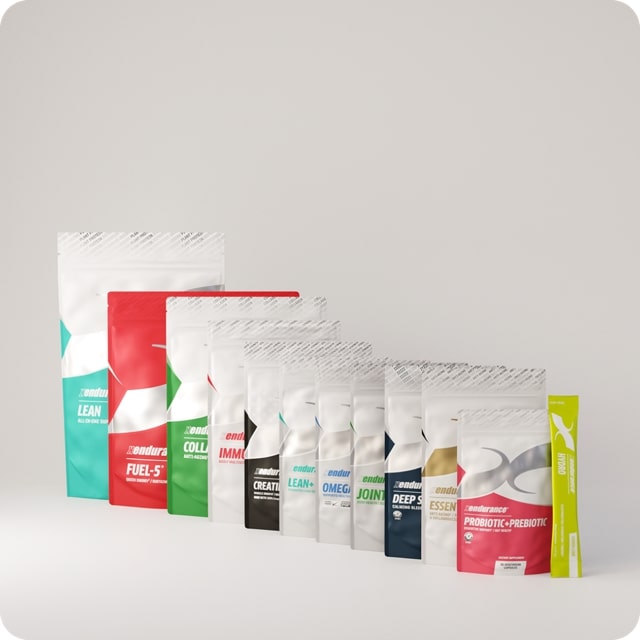
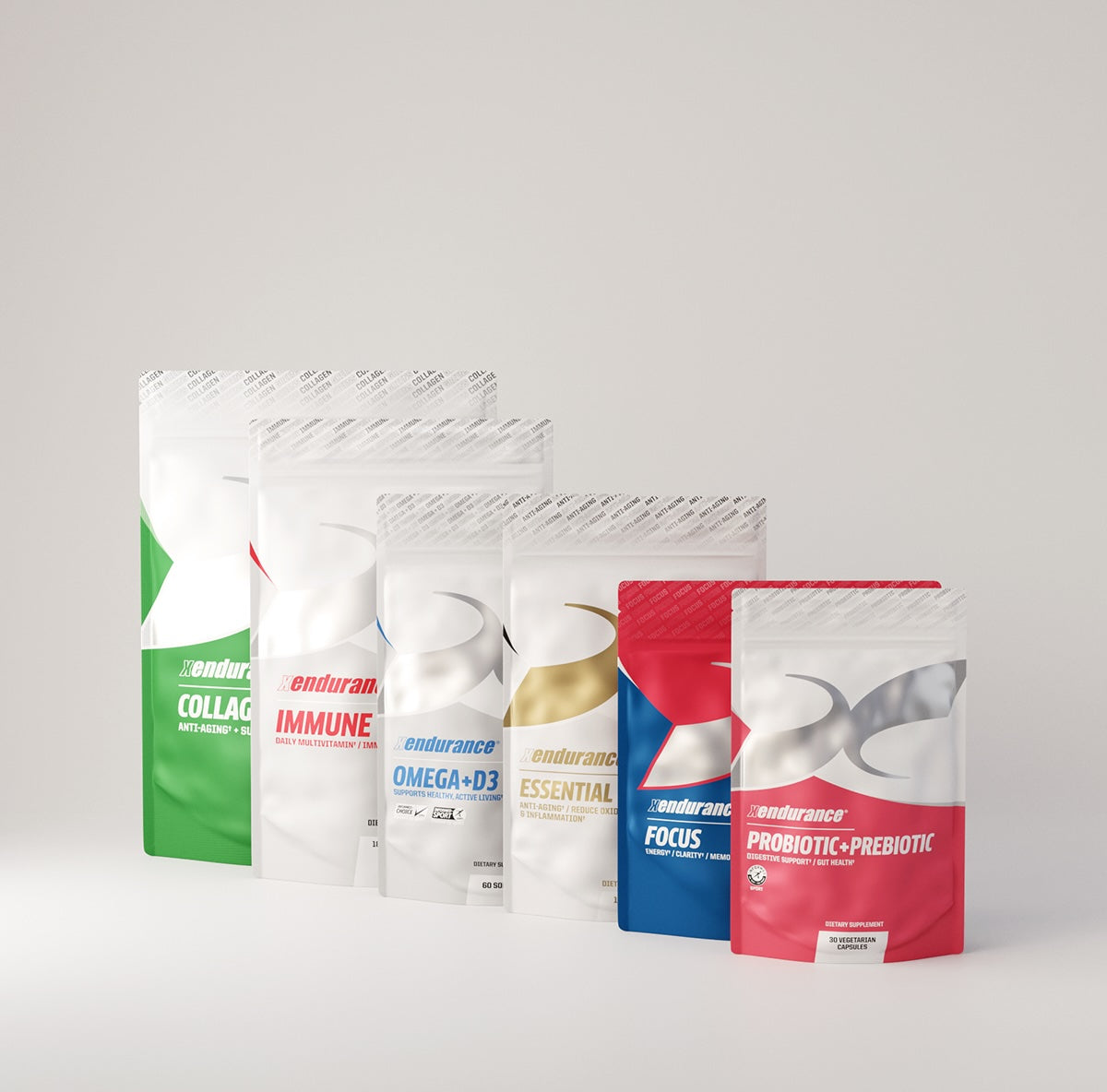
High-quality options matter: look for third-party tested formulas with bioavailable forms and chelated minerals such as the Xendurance Immune Boost, a multivitamin for men and women. They're not a cure-all but a safeguard in a depleted world, especially as 40-50% of older Americans already use them.
Can Organic Farming Turn the Tide?
Organic farming avoids synthetic inputs, potentially preserving soil health. Studies show mixed results: a 2014 meta-analysis found organics higher in antioxidants (up to 69%) and lower in cadmium, but no overall superiority. A 2024 review of 343 studies concluded no generalizable nutrient edge, with differences in only 29% of comparisons. Organics often have higher polyphenols and omega-3s in dairy, but lower protein and iodine.
Statistics paint a growing picture: U.S. organic sales hit $65.4 billion in 2024, up 5.2%. About 30% of households grow food at home, with 41% participating in 2021—many opting for organic for personal use. Home organic gardening surged post-pandemic, with 67% of adults growing produce by 2023. It helps: regenerative organics build soil microbes, enhancing nutrient uptake. Yet, for widespread deficiencies, it's not a complete fix—affordability and access limit impact.
Emerging Trends: Fortification and Beyond
2026 trends emphasize nutrient addition: fiber fortification in snacks and beverages for gut health, high-protein plant-based options, and affordable functional foods. GLP-1 users seek nutrient-dense hydration; biofortified crops via genetic editing boost staples. Global fortification—adding iodine to salt or iron to flour—prevents deficiencies, with markets growing to $313 billion by 2036. These innovations complement diets, making nutrient boosts accessible.
Conclusion: A Balanced Path Forward
In conclusion, we all have a choice. The science on soil depletion, nutrient declines in our food supply, and the broader drivers of chronic disease—from depleted soils and ultra-processed foods to filtered water stripping minerals—is clear and increasingly undeniable. Movements like Make America Healthy Again (MAHA), have spotlighted these issues at the highest levels of policy, emphasizing that healthy soil is the foundation for nutrient-dense foods, resilient farming, and ultimately a healthier population. Through initiatives like the USDA's regenerative agriculture pilot programs, voluntary transitions to better practices, and a focus on soil health as the bridge between agriculture and human wellness, the path forward is being paved—not through mandates, but through informed choices, innovation, and stewardship.
The information and evidence are out there to guide us toward a more nutrient-rich future: prioritizing whole, minimally processed foods grown with regenerative methods when possible, considering high-quality supplements such as Immune Boost to bridge modern gaps, and supporting systems that rebuild soil rather than deplete it.
There is no reason you should not get on that path today. Start small—choose nutrient-dense options, explore home growing, or local regenerative sources. Your body, your family, and future generations will benefit from the decision to act now. The time for better nutrition isn't tomorrow—it's right now.



コメントを書く
このサイトはhCaptchaによって保護されており、hCaptchaプライバシーポリシーおよび利用規約が適用されます。