




Most multivitamins promise the basics: vitamin C, D, zinc, and a handful of minerals. But what if one simple fruit could deliver more antioxidant power than a basket of oranges—while supporting immunity, heart health, blood sugar balance, and even glowing skin? That fruit is amla (Indian gooseberry), and it’s finally showing up in premium formulas like Xendurance Immune Boost. If your daily multi doesn’t include it, you might be missing one of nature’s most potent superfoods.
What Is Amla and Where Does It Come From?
Amla is the fruit of the Phyllanthus emblica tree, also known as emblic myrobalan or Indian gooseberry. It’s a small, sour, marble-sized green berry native to tropical and subtropical regions of South and Southeast Asia—including India, Pakistan, Bangladesh, Sri Lanka, and southern China. India remains the world’s largest producer and cultivator, with major growing areas in Uttar Pradesh, Maharashtra, Gujarat, and other semi-arid plains and deciduous forests. The tree is hardy, fire-resistant, and thrives in both humid and dry subtropical climates. Fruits ripen in autumn and are traditionally harvested by hand.
For thousands of years, amla has been a cornerstone of Ayurvedic medicine, revered as a “rejuvenative” herb that supports overall vitality, digestion, and longevity.
Why Amla Is One of the Most Powerful Natural Antioxidants
Amla isn’t just “high in vitamin C”—it’s in a league of its own. Fresh amla contains 193–720 mg of vitamin C per 100 g (some varieties hit 900 mg), which is roughly 10–20 times more than oranges. But here’s the science that makes it special:
- Vitamin C + stabilizing polyphenols: Unlike isolated vitamin C, amla’s natural tannins (emblicanin A and B), gallic acid, ellagic acid, and flavonoids protect the vitamin C from oxidation, making it more stable and bioavailable.
- Superior antioxidant capacity: Amla outperforms many superfoods in lab tests—higher ORAC values than blueberries in some comparisons, with 30 times more polyphenols than red wine and more antioxidant activity overall.
- Boosts your body’s own defenses: Human and animal studies show amla extract increases glutathione (GSH), superoxide dismutase (SOD), and catalase—your internal antioxidant enzymes—while slashing lipid peroxidation and reactive oxygen species (ROS).
In short, amla doesn’t just donate antioxidants; it helps your cells manufacture and recycle their own.
Science-Backed Benefits of Amla (Backed by Clinical Studies)
Modern research confirms what Ayurveda has known for centuries. Here’s what the data shows:
- Immune support: High vitamin C plus polyphenols enhance white blood cell activity and overall immune response. Amla helps the body fight oxidative stress from illness, exercise, or daily life.
- Heart health & cholesterol: Clinical trials (250–500 mg extract twice daily for 12 weeks) showed significant reductions in LDL cholesterol, triglycerides, and C-reactive protein, plus improvements in HDL and endothelial function.
- Blood sugar regulation: Amla exhibits hypoglycemic and anti-hyperglycemic effects, helping stabilize glucose and insulin sensitivity in metabolic syndrome studies.
- Anti-inflammatory & anti-aging: Reduces markers of inflammation and oxidative damage; supports skin health, collagen production, and even eye health.
- Liver protection & digestion: Hepatoprotective in studies; traditional use for gut health is now backed by gastroprotective research.
- Overall cellular defense: Protects against radiation-induced damage, supports detoxification, and may offer anti-cancer potential in cell-line studies.
One teaspoon of amla powder can rival leading cholesterol drugs in some antioxidant metrics—without the side effects.
What’s the Recommended Dose—and Why It Works
There’s no official RDA for amla itself, but science points to effective ranges:
- Fresh fruit: 100 g (about 2–3 small berries) delivers your full daily vitamin C needs (75–90 mg for adults; up to 190–220 mg in some guidelines).
- Powder or extract in supplements: 500–1,000 mg daily of standardized amla fruit extract is the sweet spot used in most clinical trials. This dose has been shown safe for up to 6 months (and higher short-term doses up to 2,000 mg).
Why this dose? It provides therapeutic levels of both vitamin C and the unique polyphenols that drive the broader benefits—something standard multivitamins rarely match with synthetic ascorbic acid alone.
Why Xendurance Added Amla to its Multivitamin, Immune Boost
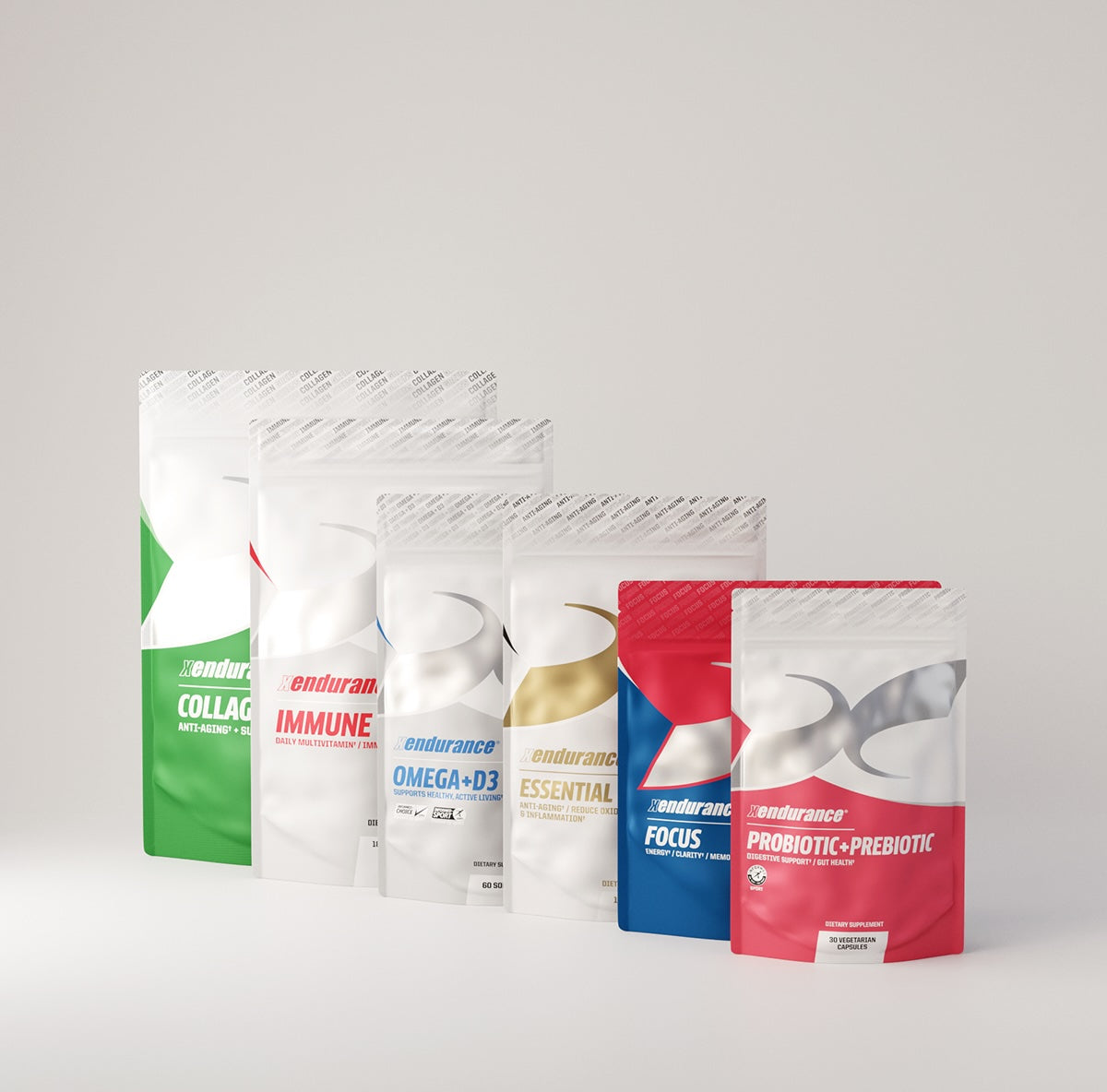
Xendurance didn’t just toss amla into a basic multi—they strategically upgraded the Immune Boost formula in 2020 with 100 mg of Amla Fruit (per serving) alongside acai, broccoli sprouts, and curcumin as a multi-pathway approach for daily foundational immune and antioxidant support.
Here’s why they chose it: Amla is a true “wonder berry” that delivers potent antioxidant support, immune boosting, anti-aging effects, glowing skin, better eyesight, and regulation of blood sugar and lipids. It perfectly complements the formula’s research-backed vitamins, minerals, and phytonutrients—especially for endurance athletes who face higher oxidative stress from training. The result? A true next-level multivitamin that nourishes from cells to skin, not just “meets minimums.”
Why You Should Add Amla to Your Supplement Routine
Natural synergy > synthetic isolates: The full matrix of compounds in amla enhances absorption and delivers benefits isolated vitamin C can’t match.
Modern diets fall short: Processed foods, stress, and intense training deplete antioxidants fast—amla helps refill the tank.
- Backed by tradition and science: Centuries of safe use + dozens of peer-reviewed studies.
- Versatile & convenient: Whether you prefer fresh, powder, or a premium multi like Xendurance Immune Boost, it’s easy to fit into your day.
- Broad-spectrum support: Immunity, heart, metabolism, skin, recovery—you get it all in one ancient fruit.
So… Is Amla Actually in Your Multivitamin?
Let’s be honest for a second.
When was the last time you flipped over your multivitamin bottle and really read the full label — not just the front marketing claims, but the actual ingredient list and amounts?
Most people never do. They assume “it has vitamin C” and call it good.
But here’s the thing: If your current multi is missing amla (or only has a tiny sprinkle of generic fruit blend), you might be short-changing your daily antioxidant defense without even realizing it.
Amla isn’t just another trendy berry — it’s one of nature’s most concentrated packages of stable vitamin C and protective polyphenols. And when it teams up with other smart ingredients like curcumin, acai, and broccoli sprouts, the results can be far more powerful than any single nutrient alone.


コメントを書く
このサイトはhCaptchaによって保護されており、hCaptchaプライバシーポリシーおよび利用規約が適用されます。