



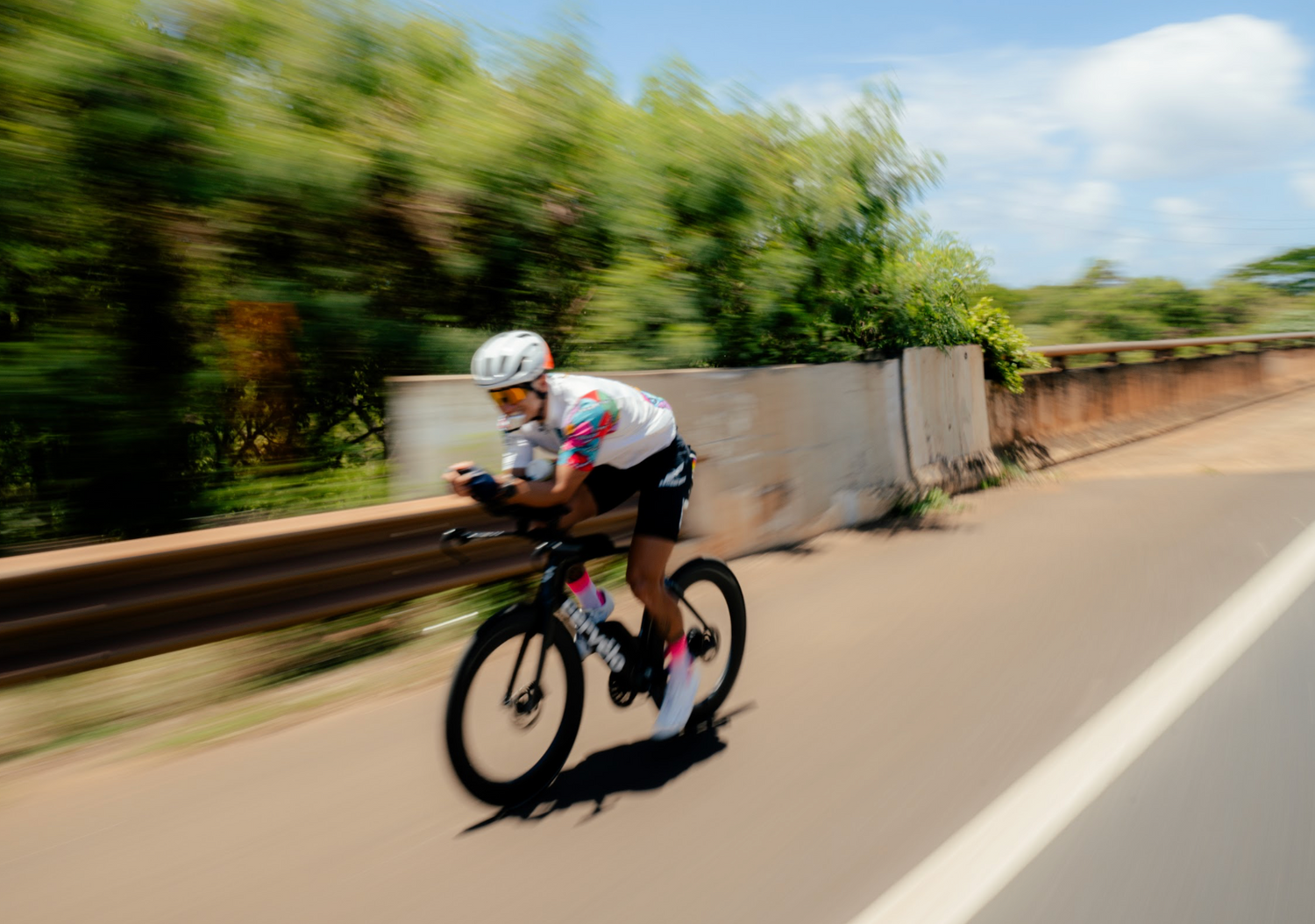
In endurance sports, VO2 max sets the ceiling for aerobic energy production. Athletes with higher values can sustain higher absolute workloads before fatigue sets in because they deliver more oxygen to mitochondria. This translates to faster race paces, improved time-to-exhaustion, and better performance in events lasting from several minutes to hours. Even in intermittent sports or high-intensity efforts, a higher VO2 max supports faster recovery between efforts by improving oxygen delivery and clearance of metabolic byproducts.
Training-induced gains of 10–20% (or more in previously sedentary individuals) are common and meaningful. Improvements allow athletes to operate at a higher fraction of their capacity with less relative strain, delaying the onset of lactate accumulation and enabling higher training volumes or intensities over time. Power output at the same heart rate often rises, and perceived effort drops for a given pace.
Longevity and Health Impact
Cardiorespiratory fitness, of which VO2 max is the gold-standard measure, ranks among the most powerful modifiable predictors of all-cause and cardiovascular mortality. A landmark Cleveland Clinic analysis of more than 122,000 patients who underwent treadmill testing found that higher fitness levels were associated with progressively lower mortality risk, with no clear upper limit of benefit. Elite performers showed substantially lower risk than those with high fitness, and the advantage persisted in older adults and those with hypertension.
Meta-analyses reinforce the dose-response relationship. Each 1-MET increase (roughly 3.5 ml/kg/min) in fitness has been linked to approximately 13% lower all-cause mortality and 15% lower risk of coronary heart disease events. Other data suggest roughly 3.7% lower mortality risk per 1 ml/kg/min increase in VO2 max.
Even modest gains matter: moving from the lowest to higher fitness categories can cut mortality risk substantially. Low VO2 max carries risk comparable in magnitude to smoking for cardiovascular outcomes. Higher fitness is also associated with better vascular function, insulin sensitivity, autonomic balance (higher heart-rate variability), and reduced risk of other chronic conditions.
VO2 max declines roughly 1% per year after age 30 in sedentary people, but regular training can slow this substantially. Master endurance athletes and multi-marathoners maintain values far above population norms into later decades, supporting the view that sustained aerobic capacity contributes to healthier aging.
How Exercise Raises VO2 Max
Improvements arise from both central and peripheral adaptations. Centrally, endurance training increases maximal stroke volume and cardiac output through cardiac remodeling (larger left-ventricular chamber and enhanced filling), higher blood volume, and improved venous return. Maximal heart rate changes little, so the gain is primarily stroke-volume driven. Peripherally, muscles develop greater capillary density (improving oxygen delivery), higher mitochondrial content and enzyme activity (especially citrate synthase and oxidative phosphorylation capacity), elevated myoglobin, and improved arteriovenous oxygen difference (better extraction and utilization).
Training intensity and volume both matter. Any regular aerobic work above approximately 60% of VO2 max can raise the metric, but protocols that accumulate time near or at VO2 max intensity—such as high-intensity interval training (HIIT) with intervals of 3–5 minutes at 90–95% of maximum heart rate—produce robust gains efficiently. Classic 4×4-minute intervals, sprint interval training, and polarized approaches (mostly easy volume plus targeted high-intensity sessions) are well-supported. Untrained individuals often see 15–25% increases over months; trained athletes see smaller absolute gains but can still improve through progressive overload and recovery management. Genetics influence baseline and trainability (heritability estimates around 50%), yet nearly everyone responds positively.
Have Supplements Been Proven Beneficial?
Most common sports supplements show limited or no direct effect on VO2 max itself in meta-analyses and network analyses. Protein supplementation during endurance training has been shown in some trials to amplify VO2 max gains and lean-mass accretion compared with carbohydrate controls, likely by supporting recovery and adaptation. Iron correction in deficient individuals improves oxygen-carrying capacity and performance. Dietary nitrates (e.g., beetroot) can improve exercise economy and time-trial performance more reliably than maximal oxygen uptake. Buffering agents such as sodium bicarbonate or beta-alanine enhance high-intensity capacity and may allow higher training quality, indirectly supporting adaptations, but effects on VO2 max are typically small or absent. Creatine, caffeine, and many others primarily aid other aspects of performance or recovery rather than the oxygen-transport ceiling.
Extreme Endurance and Long-Term VO2 Max Results
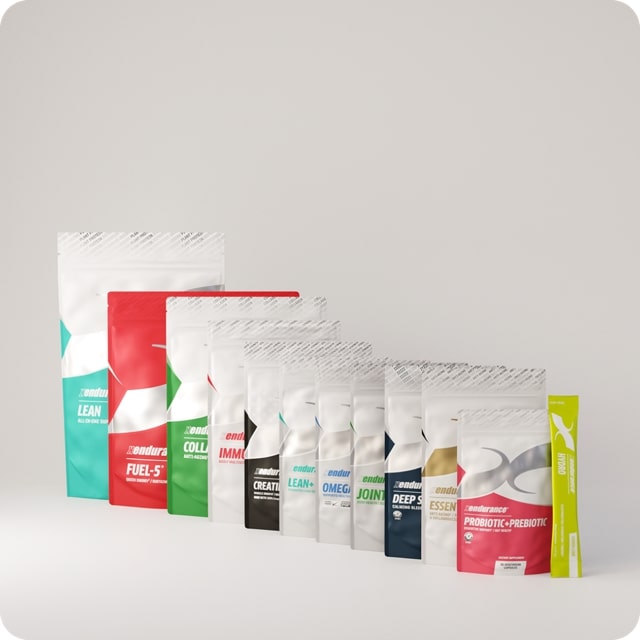
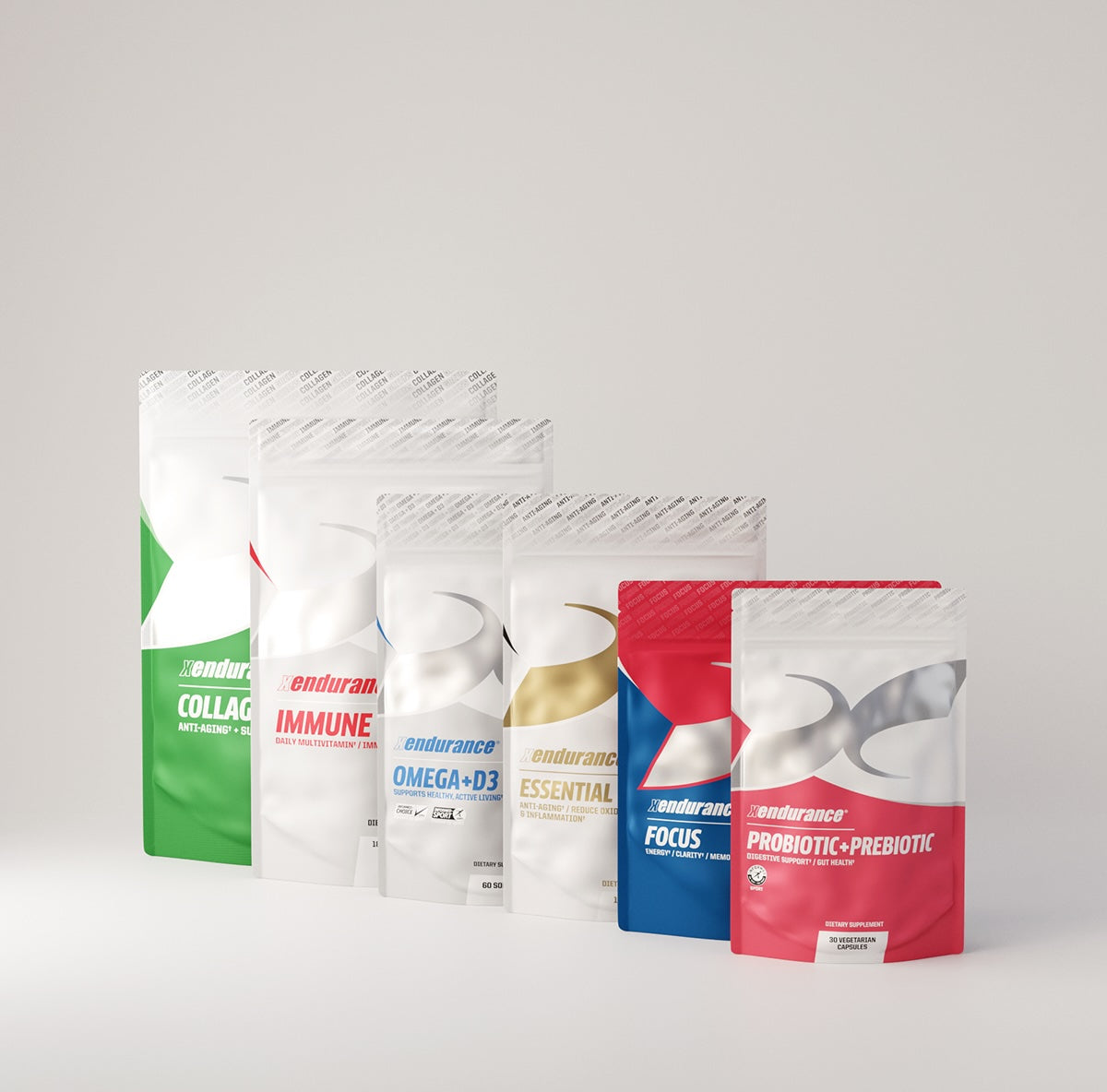
Extreme Endurance (Xendurance) is a mineral-based, alkalizing formula studied in multiple clinical trials, including double-blind, placebo-controlled crossover designs. Short-term (7–10 day) studies in athletes have demonstrated average reductions in lactic acid of 15–26%, oxidative stress of 39%, and creatine kinase (a marker of muscle damage) by up to sixfold, along with double-digit increases in aerobic threshold and improved power at comparable heart rates. These changes support better buffering, reduced muscle trauma, and faster recovery.
Regarding VO2 max specifically, a follow-up 30-day open extension on a subset of elite athletes from the original German trial showed an average 1.5% increase. Company-reported data and longer open-label observations associate continued daily use with larger gains, including claims of approximately 15% improvement over eight weeks in some testing contexts. Individual case examples (including active non-elite adults and older individuals) have documented measurable rises in relative and absolute VO2 max within two weeks when the product was reintroduced after a washout, concurrent with higher power output at VO2 max and improved lactate thresholds, without changes in training or body weight.
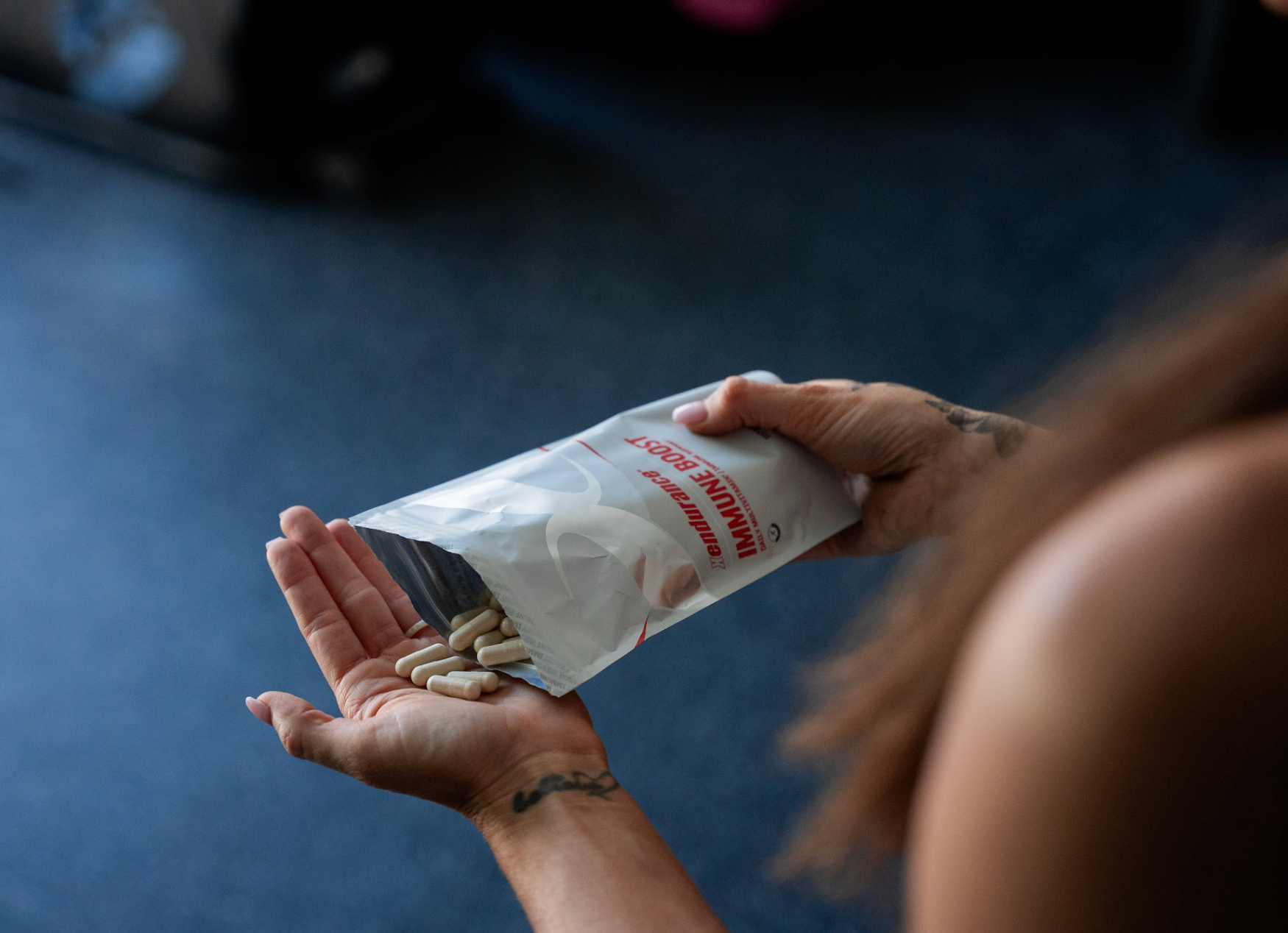
The product is positioned for consistent daily use rather than cycling; the longer it is taken, the greater the cumulative benefits reported by long-term users (some athletes have used it continuously for 14+ years). Mechanisms are attributed to optimized cellular pH/buffering, reduced oxidative damage, and support for recovery that may enable higher-quality training or more efficient oxygen utilization over time. It is Informed Sport certified.
As with any supplement, individual responses vary, and the strongest evidence base remains for training itself. Extreme Endurance’s published and internal data focus more robustly on lactate, oxidative stress, and recovery markers, with VO2 max improvements appearing more pronounced with extended use.
Putting It Together and Additional Considerations
The highest-leverage approach combines structured aerobic and high-intensity training, progressive overload, adequate recovery and sleep, sufficient protein and energy intake, and management of body composition (excess fat mass lowers relative VO2 max). Age, sex, and genetics set boundaries, but trainability persists across the lifespan. Monitoring via lab testing, validated field tests, or wearable estimates can track progress. Avoid overreaching; the stimulus must be sustainable.
Other factors that influence effective VO2 max or its expression include hemoglobin/hematocrit status, altitude exposure (with proper acclimatization protocols), and overall vascular health. Psychological factors such as mental toughness can interact with training responses in some studies.
Raising VO2 max is simultaneously a performance strategy and a longevity strategy. The science shows clear dose-response benefits for both, with exercise as the primary driver and select evidence-based supports—including the buffering and recovery profile of products like Extreme Endurance under long-term use—potentially amplifying results for those who train consistently. Consistent daily habits compound: the athletes and individuals who maintain higher cardiorespiratory fitness into later decades demonstrate that the capacity is highly trainable and highly protective.


コメントを書く
このサイトはhCaptchaによって保護されており、hCaptchaプライバシーポリシーおよび利用規約が適用されます。