



Most hybrid athletes do not have a caffeine problem. They have a timing problem. The same 200 mg that makes a morning interval session feel sharp can still be in the system at lights-out, and the session that needed that sharpness was not the easy flush run they caffeinated out of habit. Caffeine is one of the few aids with evidence on both sides of hybrid work. It is also one of the easiest to waste.
The useful question is not “does caffeine work?” It is “which session is worth it, what else am I stacking on top of it, and how late is that dose still charging rent?”
Hybrid work asks for two things at once
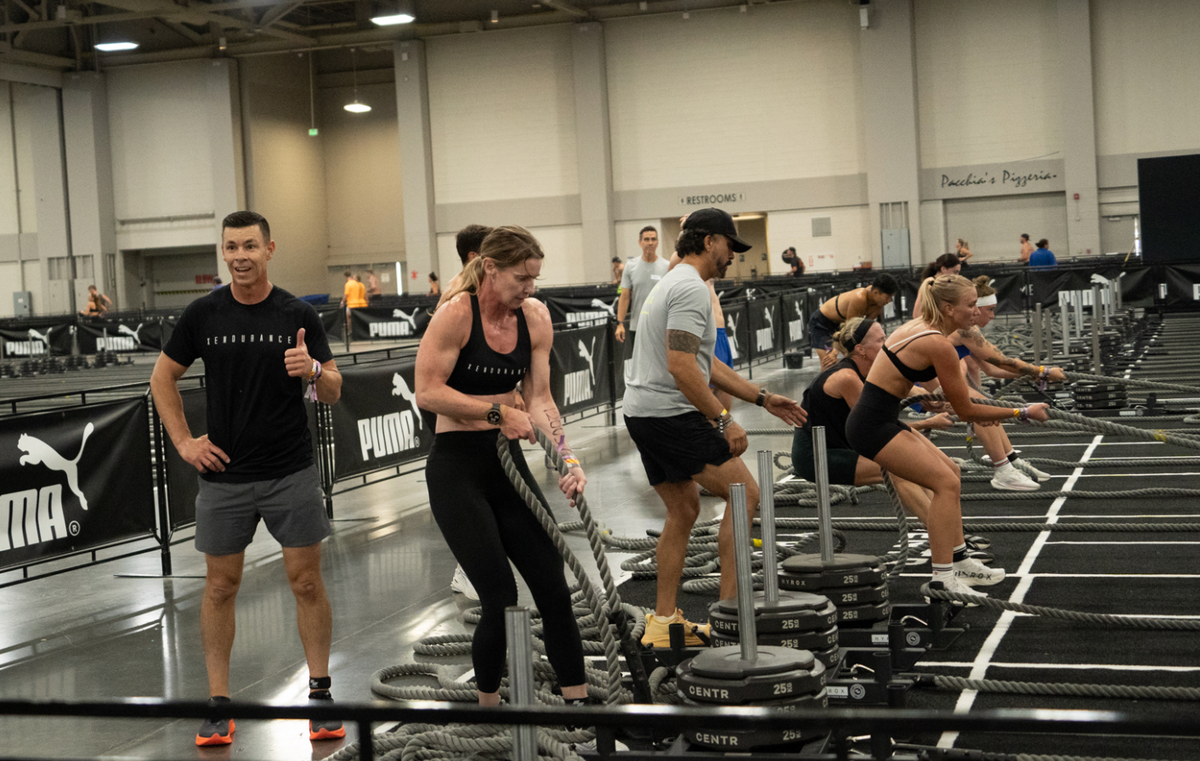
A HYROX simulation, a CrossFit piece with a long engine, or a lift followed by intervals is not one demand. It is muscular endurance, repeat power, and a steady aerobic output, often in the same hour. Caffeine has a track record across that range. The International Society of Sports Nutrition position stand puts the performance dose at about 3–6 mg per kilogram of body weight, usually taken about 60 minutes before exercise. Endurance is the most consistent benefit. Strength, power, and movement velocity show smaller gains in many, but not all, studies.
For a 70 kg athlete, 3 mg/kg is 210 mg. Six mg/kg is 420 mg. A typical cup of coffee is often around 80–100 mg, and it varies. Most people are not counting. They are stacking.
That is the first place to question the habit. If the hard session is at 6 a.m. and the coffee was at 5:15, the timing can be right. If the hard session is at noon and the coffee was at 6 a.m., the caffeine from breakfast is already on the way down, and the second dose is a new decision, not a free continuation of the first.
It helps the session. It does not erase the interference.
Hybrid athletes sometimes take caffeine to “cancel” the cost of doing endurance and strength close together. The evidence does not support that.
A 2024 crossover study in resistance-trained men tested caffeine at 6 mg/kg in lifting sessions done alone and in sessions that also included aerobic work. Caffeine improved repetitions and volume load, mostly in the early sets, and rating of perceived exertion stayed similar. The overall effect was small. The interference was still there: strength volume was lower in the concurrent sessions than in lifting alone, caffeine or not.
Read that as permission to be selective. Caffeine can make the first part of a hard session cleaner, and the work feel more available. It does not turn a poorly ordered day into a strength day. If the goal of the session is heavy squats, do not expect a pre-workout to rescue them after a long aerobic piece. If the goal is a race-pace hybrid effort, caffeine is more at home.
Morning sessions are where the return is often highest. A 2025 trial using 3 mg/kg found better squat strength and power at moderate-to-high loads in both the morning and the evening, and a reversal of the usual morning drop at lighter loads. For athletes who train before work, that is the session worth protecting with a planned dose, not an extra coffee at 3 p.m. “just in case.”
Where Xendurance Supplements, Focus and Fuel-5+ actually sit
This is where product choice should follow the session, not the other way around.
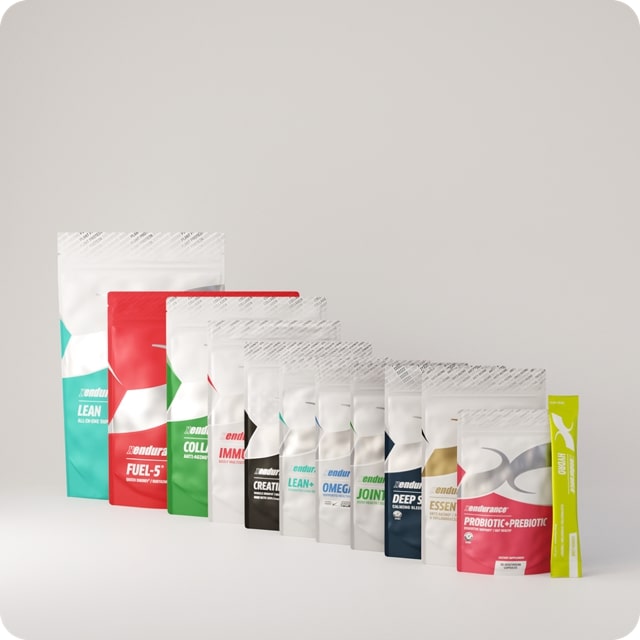
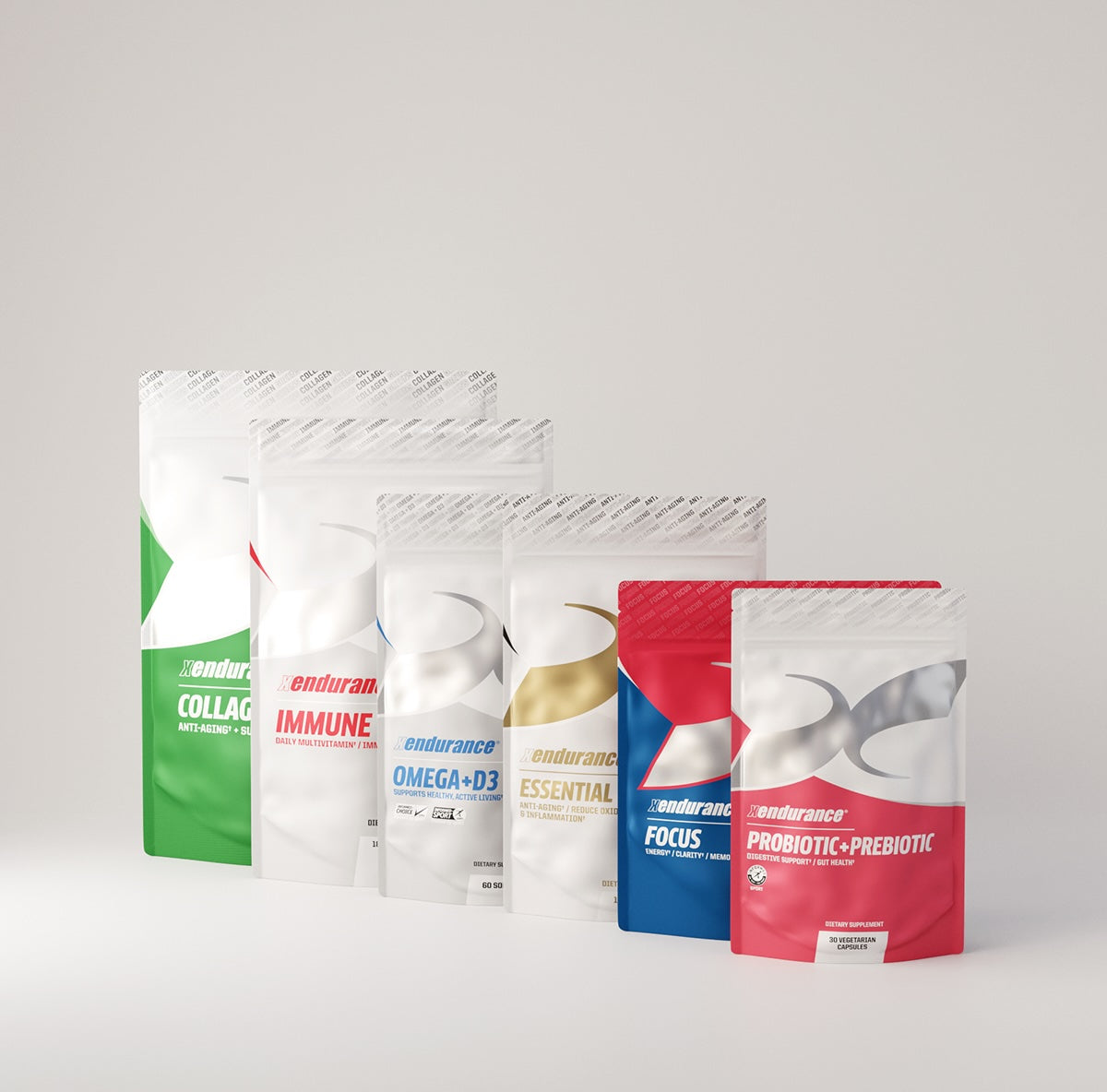
Focus has 130 mg of caffeine from green tea extract per serving, with L-theanine, beet root, AlphaSize, and L-tyrosine. For a 70 kg athlete, that is under 2 mg/kg. It is a focus dose, not a max ergogenic dose. Xendurance positions it as a coffee swap or a pre-session drink, including mixed with Fuel-5 or Hydro. The L-theanine pairing is the practical point: many athletes want alertness without the jitter that pushes them to a second, uncounted coffee.
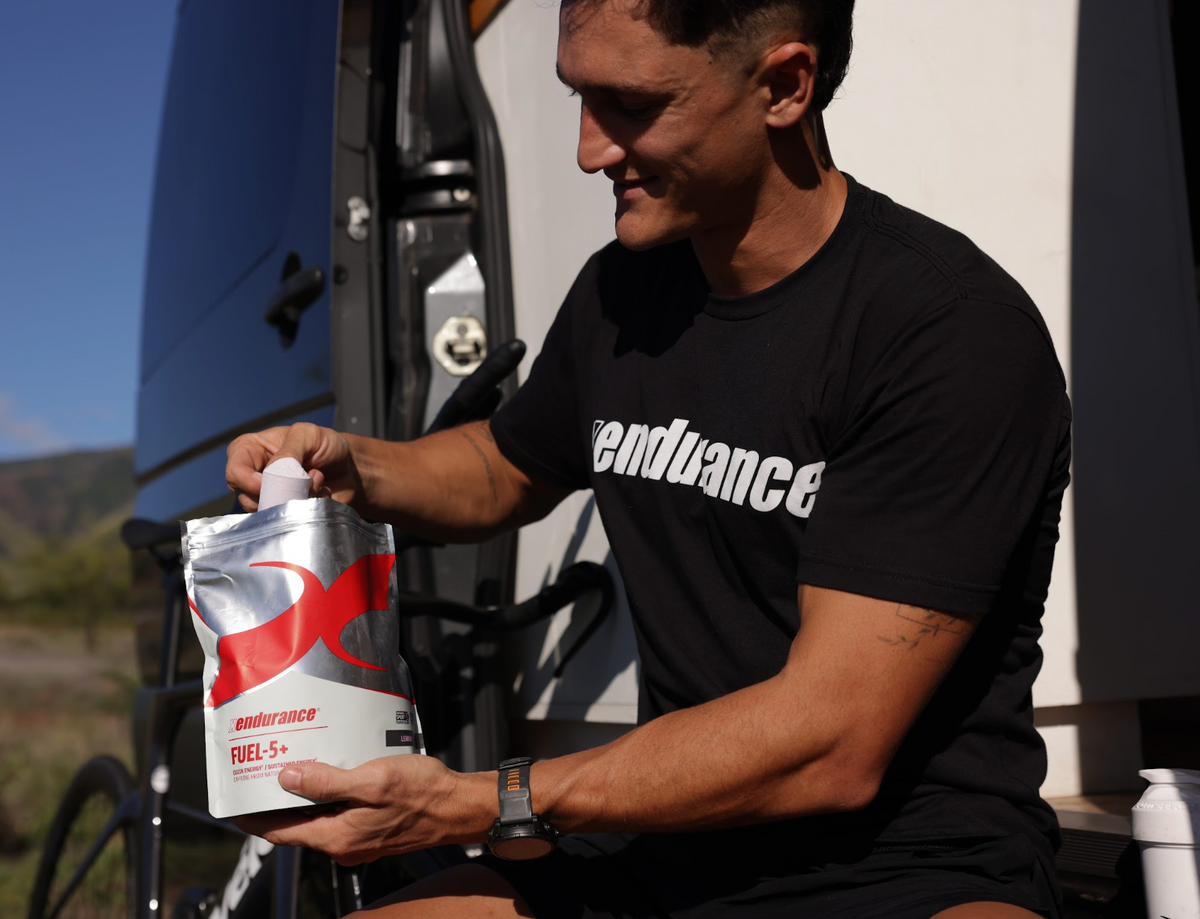
Fuel-5+ has 45 mg of green-tea caffeine per scoop, so two scoops are 90 mg, about a cup of coffee, on a carbohydrate blend of organic sweet potato, maltodextrin, dextrose, and sucrose, plus lactate, electrolytes, and vitamins B6 and B12. Label use is 1–2 scoops about 15–20 minutes before training. Plain Fuel-5 is the same fuel idea without the caffeine.
Neither product, used alone, lands a 70 kg athlete in the middle of the 3–6 mg/kg range. That is not a flaw if the post says so. It is the reason they work as training tools instead of a daily high-stimulant habit. One Focus serving plus two scoops of Fuel-5+ is about 220 mg, near 3 mg/kg for that 70 kg athlete. That stack is a deliberate choice for a key session. It is not a default Tuesday.
How to stack without guessing
Count milligrams, not servings.
A simple rule: one caffeinated product on a hard day, unless the math has been tested. Coffee plus Focus plus Fuel-5+ is one total. For a lot of hybrid athletes, that total quietly clears 300–400 mg before lunch, then a soda or a second coffee lands in the afternoon.
Use the products for different jobs.
- Key strength or hybrid session, especially in the morning: Focus, about 30–60 minutes before the hard work. Plasma levels from a capsule or a drink generally peak around 45–60 minutes. Take it so the peak hits the session, not the warm-up jog.
- Long session or race where fuel is the limiter: Fuel-5+ early, because the carbohydrates are the point and the 45–90 mg is a small add-on. Sip it on a schedule you have tried, not as a late rescue.
- Easy run, skill work, or the second session of a double: Fuel-5, no caffeine. The point of the easy day is to keep the hard day responsive.
- Race week: do not invent a stack on race morning. The dose that felt fine in a Tuesday lift can sit badly at the start line of a 90-minute hybrid race.
If you want the full research range, add a measured caffeine source on top of a known base and test it on a session that looks like the race. Do not do that test for the first time when the wave time is fixed.
How late it costs sleep
Caffeine’s half-life is about 5–7 hours in most adults. A dose at 3 p.m. still has roughly half of its effect at 8–10 p.m. You can fall asleep and still lose deep sleep. Hybrid blocks already tax recovery. Sleep is the variable that decides whether Thursday’s session is a stimulus or just fatigue.
Question the afternoon dose before you question the program. A pre-workout at 4:30 p.m. for a 5:30 class feels like a performance choice. If bedtime is 10 p.m., it is also a sleep choice. The next morning’s heavy squat is often the session that pays for it.
A practical cutoff is about eight hours before bed. For a 10 p.m. bedtime, that is 2 p.m. Slow metabolizers, a group tied in part to CYP1A2 variants, feel the tail longer. If caffeine after noon leaves you wired at midnight, your cutoff is earlier than the average, not a personal failing.
Evening trainers are not out of options. They are out of casual options. A smaller morning dose, caffeine-free fuel in the evening, and a hard session placed earlier in the week will beat a 200 mg hit at 6 p.m. followed by a bad night and a flat Friday.
A week that uses caffeine on purpose
Here is one pattern for a hybrid week. Adjust the clock to your life. Keep the rule.
Monday, easy aerobic or skill. Fuel-5 or food. No caffeine supplement. Coffee only if it is part of a capped morning total you are willing to write down.
Tuesday, key lift or hybrid intervals, morning. Focus about 45 minutes before the main work. If the session runs past an hour and fuel is dropping, Fuel-5+ can come in early. Do not add a second Focus because the first hour felt good.
Wednesday, flush or technique. Caffeine-free. This is the day that protects Thursday.
Thursday, second key session, finished by early afternoon. One planned dose, either Focus or a measured coffee, not both plus Fuel-5+. Last caffeine by the cutoff.
Friday, off or mobility. Nothing caffeinated after the morning cup, if there is one.
Saturday, race-pace simulation or long hybrid session. The stack you have already tested. For many athletes that is Focus before, Fuel-5+ during, and no extra coffee in the car. Write down the milligrams once so race week is a copy, not a guess.
Sunday, long easy or rest. Fuel-5 if you want the carb blend. Leave the stimulant alone so Monday starts with a nervous system that is not already behind.
What to notice, not what to believe
Run the experiment for two weeks. On caffeinated days, log the product, the milligrams, the minutes before the session, whether your stomach agreed, and how you slept. On the other days, log the session quality anyway.
The athletes who get this right are not the ones taking the most. They are the ones who can point at two sessions a week and say why those were the ones worth a dose. Everyone else is renting alertness from tomorrow.
Focus and Fuel-5+ fit that pattern because the doses are known and modest: 130 mg, or 45 mg per scoop. They are tools for a session plan. They are not a reason to caffeinate every session that feels slightly flat. Flat is sometimes fatigue. Caffeine hides that for an hour. Sleep is what tells you whether the hide worked.
Pick the session, not the habit
Caffeine is not the session. It is a vote for one session over the next one. Pick the two days that actually need to be sharp, put a known dose on those days only, and leave the easy work alone. Focus is the 130 mg choice when the limiter is attention and the first hard effort. Fuel-5+ is the smaller caffeine add-on when the limiter is fuel, and the session runs long. Everything else, including the afternoon coffee you stopped tasting years ago, is a withdrawal from tomorrow’s sleep. Write the milligrams down once. If you cannot point at the session they were for, you already have your answer.

コメントを書く
このサイトはhCaptchaによって保護されており、hCaptchaプライバシーポリシーおよび利用規約が適用されます。