




In the crowded world of probiotics, most labels look impressive at first glance. “10 billion CFU.” “Multi-strain formula.” “Supports digestive and immune health.” Yet the fine print often stops at genus and species—or worse, simply says “proprietary probiotic blend.”
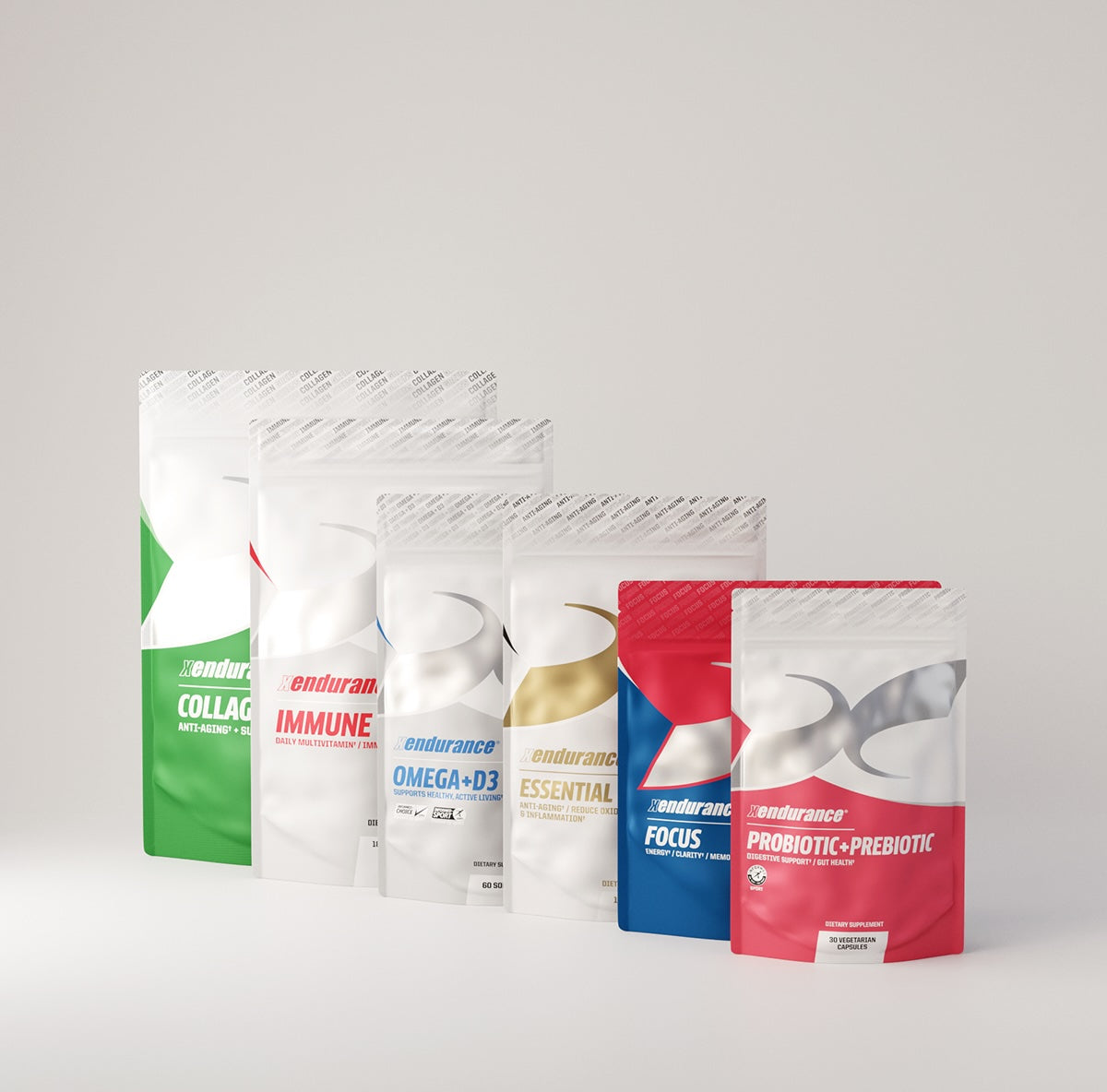
Xendurance’s Probiotic+Prebiotic takes a different approach. The Supplement Facts panel lists every one of the 17 probiotic strains by full scientific name and strain designation, plus Organic Jerusalem Artichoke as the prebiotic. That level of detail is rare. It is also one of the clearest signals of transparency in an industry where consumers are frequently left guessing.
Why Listing Every Strain Matters
Probiotic effects are strain-specific. Two strains of Lactobacillus rhamnosus or Bifidobacterium longum can behave very differently in the gut. One may reduce antibiotic-associated diarrhea; another may have little clinical data. Regulatory and scientific bodies have long recognized this. The FAO/WHO guidelines and the International Scientific Association for Probiotics and Prebiotics (ISAPP) recommend that labels include genus, species, and strain designation for each organism, along with viable counts through the end of shelf life.
When a brand prints only “Lactobacillus acidophilus” or “Bifidobacterium blend,” it becomes nearly impossible for a consumer, clinician, or researcher to connect the product to published human trials. Listing the full identifiers—Bifidobacterium infantis (DSM-26197), Lactobacillus paracasei Lpc-37, Lactobacillus plantarum (SD-5870), and the rest—allows anyone to search the literature and evaluate the evidence for themselves. That is the practical definition of transparency.
It also signals that the formulator is not hiding behind a probiotic proprietary blend to obscure low-cost or poorly studied organisms. In an industry where some products have been shown to contain far fewer viable organisms than claimed, or strains different from those advertised, full disclosure is a form of accountability.
What Each Strain Is Known For
The 17 strains in this formula span the most researched genera used in human probiotics. While benefits are always strain- and dose-dependent, the broader species-level evidence provides useful context:
Bifidobacterium infantis (DSM-26197) – One of the earliest and most specialized colonizers of the infant gut. It efficiently metabolizes human milk oligosaccharides, produces acetate, supports barrier function, and has been studied for reducing gastrointestinal symptoms and modulating immune markers in young children.
Bifidobacterium bifidum (NCIMB 30353) – Linked to improved stool consistency, reduced constipation symptoms, and enhanced intestinal barrier integrity. Certain strains help modulate dominant gut taxa and short-chain fatty acid production.
Lactobacillus bulgaricus (CGMCC 10756) and Streptococcus thermophilus (GGMCC 10755) – Classic yogurt cultures. They aid lactose digestion and contribute to a favorable intestinal environment through lactic acid production.
Lactobacillus plantarum (SD-5870) – Highly adaptable. Studied for supporting gut barrier function, reducing abdominal pain in some gastrointestinal conditions, modulating cholesterol markers, and influencing stress-related pathways.
Lactobacillus rhamnosus (SD-5839) – One of the most researched species overall. Specific strains are well-known for reducing the duration of infectious diarrhea and supporting immune responses.
Bifidobacterium breve (CGMCC 6402) – Frequently used in infant formulas; associated with immune maturation and reduction of certain allergic tendencies in early life.
Lactobacillus salivarius (SD-5851) – Notable for oral and gut applications; produces bacteriocins that can inhibit pathogens and supports immune modulation.
Lactobacillus casei (SD-5842) and Lactobacillus paracasei Lpc-37 – L. paracasei Lpc-37 has clinical data showing reductions in perceived stress in healthy adults under everyday stressors.
Lactobacillus helveticus (CGMCC 6404) – Studied in the context of blood-pressure support and gut-brain axis effects in certain combinations.
Bifidobacterium longum (SD-5844) and Bifidobacterium lactis (SD-5848) – Commonly researched for IBS symptom relief, regularity, and immune support. B. longum strains in particular have shown effects on gut-brain signaling and quality of life in IBS.
Lactobacillus acidophilus (SD-5212) – The classic probiotic species; supports overall digestive comfort and has a long history of safe use.
Lactobacillus brevis (CGMCC 21249) and Lactococcus lactis (SD-5859) – Contribute antimicrobial compounds and immune-modulating metabolites.
Lactobacillus gasseri (NCIMB 30520) – Studied for metabolic and vaginal microbiome applications in addition to general gut support.
Collectively these organisms cover multiple ecological niches in the gut, produce a range of beneficial metabolites (lactic acid, short-chain fatty acids, bacteriocins), and interact with both the immune system and the gut-brain axis.
Why the Number of Strains Matters—and Why It Is Not Everything
A multi-strain formula is not automatically superior to a well-studied single strain. Systematic reviews show that in many disease-specific indications, a single proven strain performs as well as or better than mixtures.
However, ecological arguments favor diversity. Different strains occupy different niches, utilize different substrates, and produce complementary metabolites. Diverse communities can more effectively resist pathogen colonization through nutrient competition—a collective property that single strains often cannot achieve alone. For a daily maintenance product intended to support overall gut resilience rather than treat a narrow condition, a thoughtfully chosen multi-strain approach makes biological sense.
The prebiotic component—Organic Jerusalem Artichoke—adds another layer. It is rich in inulin-type fructans that selectively feed bifidobacteria and lactobacilli, increasing short-chain fatty acid production and supporting the very organisms supplied in the probiotic blend. This creates a true synbiotic: live microbes plus the specific food they prefer.
Why Xendurance Lists Everything
Xendurance formulates for active people who pay attention to recovery, immunity, and gut comfort under physical stress. Athletes and high performers tend to be skeptical of vague claims. By listing every strain designation, the company enables customers to verify the science themselves and compare products on an evidence basis rather than marketing language. It also aligns with the company’s broader approach of publishing detailed product information and focusing on clinically relevant ingredients rather than proprietary black boxes.
Transparency builds trust. In a category where independent testing has repeatedly found discrepancies between label claims and actual contents, full disclosure is a competitive and ethical advantage.
What Is Still Often Missing—and How to Become a Better-Informed Buyer
Even when strains are listed, several critical pieces of information are frequently absent:
- Individual CFU counts for each strain (most products give only a total).
- Explicit guarantee of potency through the expiration date rather than “at time of manufacture.”
- Clinical studies performed on the exact blend and dose being sold, not just on individual strains in isolation.
- Detailed storage recommendations and information about acid/bile survival or enteric protection if relevant.
- Clear statements about whether the product is free of major allergens, gluten, or unnecessary fillers.
When evaluating any Probiotic+Prebiotic formula, look for:
- Full strain designations (genus + species + alphanumeric identifier).
- Total CFU at end of shelf life.
- A prebiotic source with known selective effects (inulin from Jerusalem artichoke qualifies).
- Published human data on the key strains at relevant doses.
- Manufacturing and testing standards (third-party testing is a plus).
The more of these elements a brand provides, the more confidence a consumer can have that the product was designed with science rather than marketing first.
Bottom Line: Transparency of Strains Matter
Listing every probiotic strain by its full scientific identity is not a regulatory requirement in most jurisdictions, but it is a meaningful act of transparency. It respects the fact that probiotic efficacy is strain-specific, gives consumers the tools to evaluate claims, and distinguishes thoughtful formulation from commodity blends.
Xendurance’s decision to put all 17 strains and the Organic Jerusalem Artichoke prebiotic on the label of Probiotic+Prebiotic reflects that philosophy. In a market still filled with vague “proprietary blends,” full disclosure remains one of the simplest and most powerful ways a brand can demonstrate that it has nothing to hide—and that it expects its customers to be informed participants in their own health decisions.
The next time you pick up a probiotic, turn the bottle around. If the strains are fully named, you already know more about what you are buying than most people ever will.


コメントを書く
このサイトはhCaptchaによって保護されており、hCaptchaプライバシーポリシーおよび利用規約が適用されます。