




In a world obsessed with superfoods and wellness hacks, one of the most comforting pieces of news just dropped: your daily coffee habit might actually be good for your heart.
On July 20, 2026, the American Heart Association (AHA) released a comprehensive scientific statement reviewing the latest evidence on caffeine and coffee consumption. The headline? For most healthy adults, up to 400 mg of caffeine per day — about 3 to 5 cups of 8-ounce black coffee — is not only safe but may be linked to a lower risk of heart disease, stroke, heart failure, and related conditions.
This isn’t just another observational study cherry-picking data. It’s a thorough synthesis of recent research that flips the old narrative that coffee stresses your heart. But here’s the key twist the headlines often miss: it’s largely the polyphenols in coffee — powerful plant compounds — driving these protective effects, not caffeine alone.
The 2026 AHA Review: Key Data Points
The AHA statement analyzed large cohort studies, meta-analyses, and clinical trials. Moderate coffee drinkers consistently showed better cardiovascular outcomes:
- Lower risk of heart disease and stroke: People consuming 2–4 cups daily had reduced incidence compared to non-drinkers.
- Heart failure: Moderate intake correlated with lower risk.
- Type 2 diabetes: Often 20–30% lower risk in those drinking 3–5 cups.
- Overall cardiovascular safety: No increased risk up to 400 mg caffeine/day for most adults.
The review also addressed atrial fibrillation (AFib), a common irregular heartbeat. While some older advice warned caffeine could trigger AFib, newer data tells a different story.
A related 2025 randomized trial (DECAF) found that adults with persistent AFib who drank about one cup of caffeinated coffee daily after cardioversion had 39% lower risk of recurrence compared to those who abstained (47% vs. 64% recurrence rate). Coffee drinkers experienced fewer cardiac events overall.
Additionally, coffee consumption is tied to less metabolic syndrome — the cluster of conditions (high blood pressure, elevated blood sugar, excess body fat around the waist, abnormal cholesterol) that dramatically raises heart disease risk. Regular moderate drinkers often show improved insulin sensitivity, better lipid profiles, and reduced inflammation, all of which support metabolic health.
These benefits appear dose-dependent in a J-shaped curve: too little (or none) misses the upside, while excessive intake (>5–6 cups or high caffeine from energy drinks) may lose advantages or introduce downsides like temporary blood pressure spikes in sensitive individuals.
Why Polyphenols? The Real Heroes in Your Cup
Coffee is one of the richest dietary sources of polyphenols, especially chlorogenic acids, caffeic acid, and other antioxidants. These compounds combat oxidative stress and chronic low-grade inflammation — two root drivers of atherosclerosis, plaque buildup, and heart disease.
Polyphenols in coffee:
- Improve endothelial function (how well blood vessels relax and dilate).
- Reduce LDL oxidation (preventing “bad” cholesterol from damaging arteries).
- Modulate gut microbiota, which influences systemic inflammation and metabolism.
- Provide anti-fibrotic effects that may protect heart tissue.
The AHA statement highlights that black coffee maximizes these benefits because added sugars or creams can counteract the anti-inflammatory effects. Unfiltered methods (French press, Turkish) retain more oils that might slightly raise LDL in some people, so paper-filtered or pour-over is often ideal.
Caffeine contributes modestly (via alertness and mild metabolic boost), but polyphenols explain why decaf often shows similar (though sometimes attenuated) benefits in studies.
Beyond Coffee: Where Else Can You Get Polyphenols?
The good news is you don’t have to rely solely on coffee. Polyphenols are abundant in many everyday foods and drinks. Incorporating variety ensures broader benefits, as different plants offer unique polyphenol profiles (flavonoids, stilbenes, phenolic acids, etc.).
- Berries (blueberries, blackberries, strawberries, chokeberries): Extremely high; just a handful daily packs a punch.
- Green tea and black tea: Rich in catechins (especially EGCG in green tea). 2–3 cups complement coffee nicely.
- Dark chocolate (70%+ cacao): 1–2 ounces provides cocoa flavanols.
- Extra virgin olive oil: A staple for Mediterranean diets linked to heart health.
- Nuts and seeds (walnuts, pecans, flaxseeds): Handfuls add healthy fats alongside polyphenols.
- Fruits: Apples (with peel), grapes, cherries, pomegranates, plums.
- Vegetables: Red onions, spinach, artichokes, broccoli.
- Spices and herbs: Cloves (highest of all), turmeric, cinnamon, oregano, rosemary — sprinkle generously.
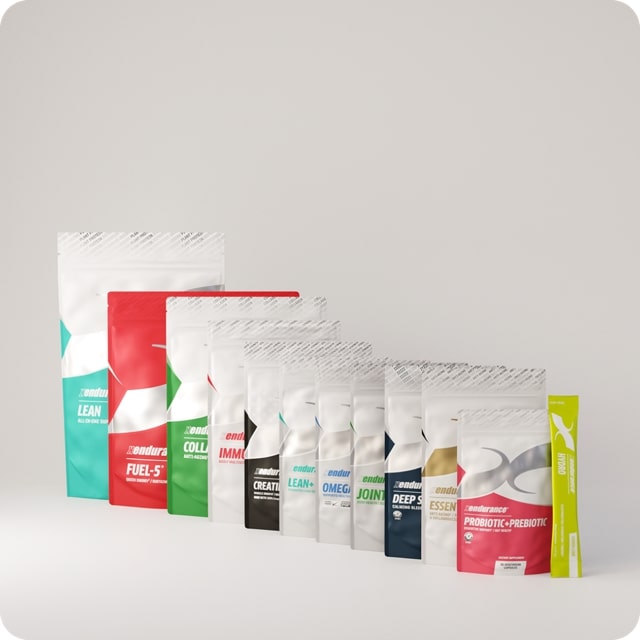
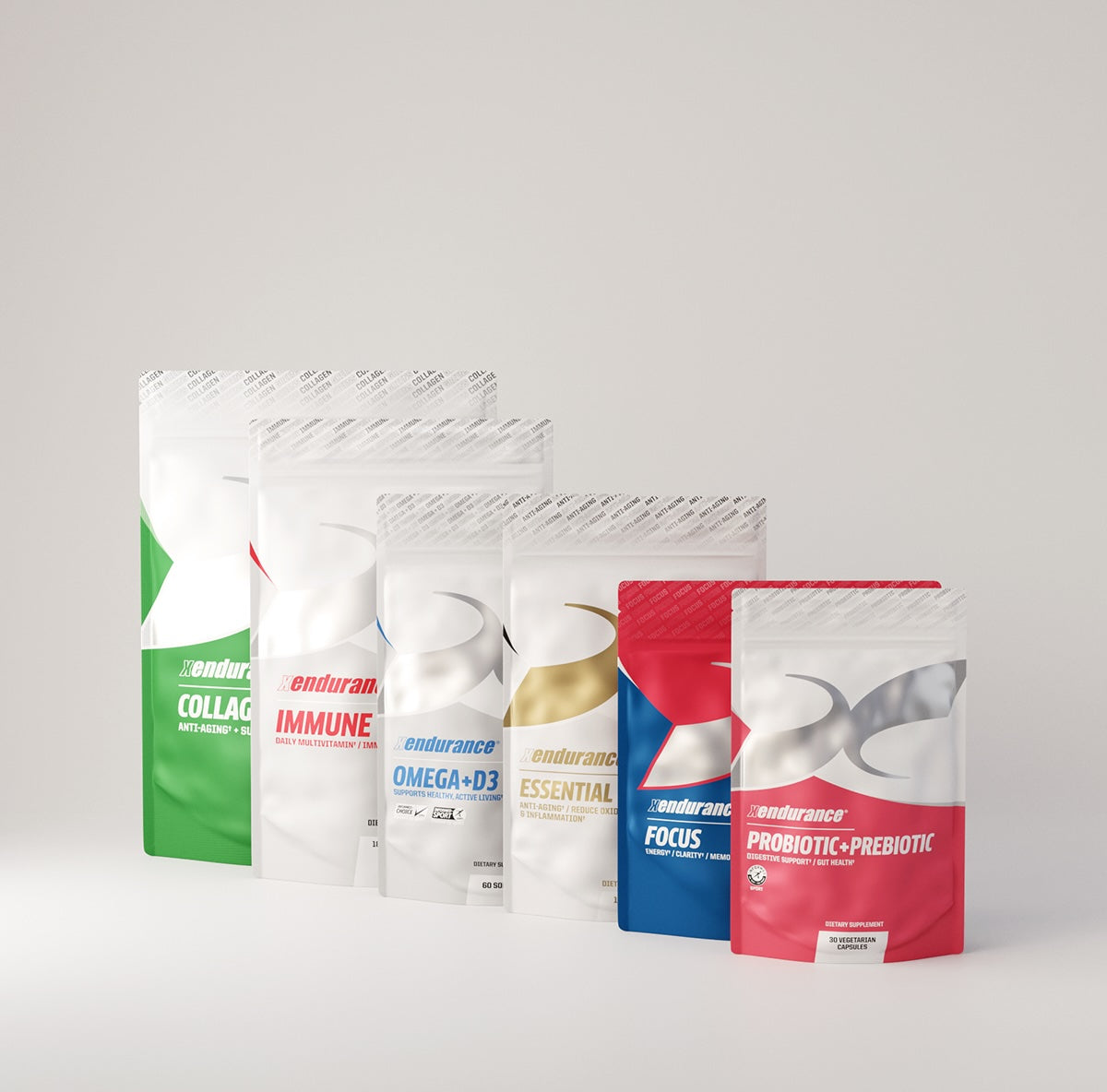
Targeted Supplements: Many people also turn to high-quality supplements formulated with polyphenol-rich ingredients. For example, Xendurance supplements such as Immune Boost (packed with antioxidants and phytonutrients), Blood Fuel (featuring organic beetroot, pomegranate, blueberry, and tart cherry for nitric oxide and antioxidant support), and Collagen+Greens (with organic greens and superfoods) provide concentrated polyphenols alongside other wellness benefits. These can help fill gaps in a busy lifestyle.
Natural green teas stand out as a low-caffeine alternative or complement. Matcha or high-quality loose-leaf green tea delivers concentrated polyphenols with less caffeine than coffee (about 30–50 mg per cup). Aim for 2–4 cups across beverages to hit meaningful polyphenol intake without overdoing caffeine.
A diverse diet rich in colorful plants — plus strategic supplementation — can easily deliver 500–1,000+ mg of polyphenols daily — levels associated with reduced chronic disease risk.
How Many Cups Are Safe? Guidelines from the Review
The AHA aligns with FDA/EFSA guidance: Up to 400 mg caffeine daily for healthy adults. That’s roughly:
- 3–5 cups of standard brewed coffee (95–200 mg per 8-oz cup, varying by brew strength).
- More if using espresso or lighter roasts; less with instant or very strong brews.
Pregnant people: Limit to ~200 mg. Children/adolescents: Much lower. People with severe hypertension, anxiety disorders, or certain arrhythmias should consult a doctor, as individual sensitivity varies.
Takeaways for the Normal Active Person: Pros, Cons, and Everyday Reality
For the average person juggling work, exercise, family, and life — someone who grabs a morning coffee before the gym or during a busy afternoon — this review is reassuring and empowering.
Pros:
- Heart protection: Moderate intake fits seamlessly into active lifestyles, potentially lowering long-term risk without extra effort.
- Metabolic and brain benefits: Better energy, focus, and reduced diabetes risk support sustained activity.
- AFib-friendly for many: Challenges old myths and may even stabilize rhythms post-treatment.
- Affordable and enjoyable: Coffee is accessible, social, and ritualistic — a small daily pleasure with big upsides.
- Polyphenol synergy: Pairs well with exercise (which also reduces inflammation) and a balanced diet.
Cons and Cautions:
- Not a magic bullet: Coffee won’t override poor diet, smoking, inactivity, or sleep deprivation.
- Additives matter: Sugary lattes or flavored creamers turn a healthy habit unhealthy.
- Sleep and anxiety: Late-day caffeine can disrupt sleep, indirectly harming heart health. Cut off by early afternoon.
- Individual differences: Genetic variations (e.g., CYP1A2 gene) affect caffeine metabolism — fast metabolizers tolerate more; slow ones feel jittery.
- Unfiltered coffee: Minor LDL concern for some.
- Energy drinks: Avoid as a primary source; they lack polyphenols and pack risks.
In everyday life, most of us can safely enjoy 3–4 cups of black coffee (or a mix with green tea) as part of a polyphenol-rich pattern. Morning cup for alertness, mid-morning with a handful of berries or nuts, afternoon green tea — simple habits that add up.
Should We Obsess Over Polyphenols or Just Drink Coffee?
The smartest approach is both. Drink your 3–4 cups of quality black coffee daily for convenience and proven associations with better heart outcomes. Then, broaden your polyphenol intake through food for comprehensive benefits. Variety reduces reliance on any single source and covers more pathways (gut health, brain protection, cancer risk reduction).
Whole foods and drinks deliver polyphenols in synergistic matrices with fiber, vitamins, and minerals. Track how you feel: energy, digestion, sleep. Adjust based on your body.
This 2026 AHA review reminds us that simple, pleasurable habits like moderate coffee drinking, when done mindfully, can support long-term health. In our stressed, fast-paced lives, that morning ritual isn’t just fuel — it might be protective medicine.



コメントを書く
このサイトはhCaptchaによって保護されており、hCaptchaプライバシーポリシーおよび利用規約が適用されます。