




Have you ever wondered why some traditional foods—like bone broth, fermented dairy, or a good piece of fish—seem to make people feel better overall? It might not just be the protein or vitamins. A big part of the magic comes from bioactive peptides—tiny chains of amino acids hiding in everyday foods that do far more than just build muscle.
These natural compounds are getting a lot of buzz in wellness circles right now, but they’re not a new invention. They’ve been part of the human diet for thousands of years.
Keep reading, and we’ll break down what bioactive peptides are. No jargon, just straightforward info you can use.
What Exactly Are Bioactive Peptides?
Think of proteins as long strings of beads (amino acids). When your body digests food or when foods are fermented/prepared in certain ways, those long strings break into shorter pieces—usually 2 to 20 amino acids long. These shorter pieces are peptides.
Most peptides just provide basic nutrition, but bioactive peptides are special. They act like little messengers in your body. Once absorbed, they can influence processes such as calming inflammation, supporting blood vessel function, or helping your gut lining stay strong.
Unlike synthetic drugs or isolated supplements, these come straight from whole foods. Your digestive system naturally releases many of them when you eat protein-rich meals. Some are also created during fermentation (think yogurt or aged cheese) or through gentle processing like hydrolysis in quality supplements.
Common sense example: When you simmer bones for broth, heat and time help break down collagen into peptides that your body can use more easily. It’s the same principle behind many functional foods.
Peptides in Food: They’ve Been Around Forever
Bioactive peptides aren’t a modern lab creation. Humans have consumed them since we started eating animal proteins, dairy, plants, and fermented foods.
Science has only recently identified and studied them in detail. Researchers began isolating and naming specific bioactive peptides from milk, eggs, fish, and soy in the mid-to-late 20th century. For instance, certain milk-derived peptides (like those from casein) were studied for blood pressure effects as early as the 1970s–80s. But traditional diets worldwide have always delivered them:
- Asian fermented soy foods (miso, tempeh)
- European cheeses and yogurt
- Broths and slow-cooked meats in many cultures
The science explains why they’ve been effective for so long: These peptides are encrypted in the sequences of common food proteins. Enzymes in your gut (or from bacteria in fermentation) act like keys that unlock them. Evolution wired our digestion to break proteins this way, and many peptides survive long enough to be absorbed into the bloodstream, where they interact with receptors, enzymes, or cells.
Studies show food-derived peptides can survive digestion better than you might expect because of their small size and specific structures (often containing proline or other stable amino acids). This is why they’ve quietly supported health across generations, even before anyone called them “bioactive peptides.”
Today’s research uses advanced tools to map exactly which sequences do what, confirming benefits people noticed anecdotally for centuries. They’re trendy now because modern science validates traditional wisdom, and we have better ways to concentrate and study them.
How Bioactive Peptides Became Trendy in Health and Wellness
The wellness boom—especially the post-pandemic focus on immunity, recovery, and natural health—put bioactive peptides in the spotlight. Social media, biohacking communities, and the explosion of collagen supplements helped popularize them.
Injectable or highly processed peptides get attention for specific uses, but food-based versions appeal to everyday people who want gentle, sustainable support without complexity. The global interest in functional foods and “food as medicine” has driven research into how everyday eating releases these compounds.
Collagen peptides, in particular, went mainstream for skin, joints, and recovery. People realized that hydrolyzed (broken-down) collagen delivers bioactive fragments that support more than just structure—they influence inflammation and tissue repair pathways.
This trend isn’t hype. It’s backed by growing evidence on mechanisms: Some peptides inhibit enzymes like ACE (which affects blood pressure), act as antioxidants by neutralizing free radicals, modulate immune responses, or strengthen gut barriers.
Real Benefits Backed by Science (in Plain English)
Here’s what bioactive peptides from food can do for normal people:
1. Antihypertensive (Blood Pressure Support)
Certain peptides from milk, fish, or eggs help relax blood vessels by mildly inhibiting ACE, similar to how some medications work but much gentler. Traditional diets high in these foods often correlate with better heart health markers.
2. Antioxidant Protection
They help fight oxidative stress—the imbalance that contributes to aging and fatigue. Peptides from soy, dairy, or marine sources can scavenge free radicals, supporting cellular health during exercise or daily life.
3. Anti-Inflammatory Effects
Chronic low-grade inflammation drives many issues. Food peptides can downregulate inflammatory signals, helping joints feel better and recover faster after workouts.
4. Gut Health
Many peptides strengthen the intestinal barrier (“leaky gut” support) and promote beneficial bacteria. Collagen-derived ones are especially helpful here, as they provide building blocks for the gut lining.
5. Immune Support
They modulate immune activity—boosting when needed and calming overreactions. This is why fermented foods (rich in peptides) are often linked to better resilience.
These benefits are dose-dependent and work best as part of a consistent diet, not one-off miracles. Combine them with exercise, sleep, and variety for best results.
Food Sources: Easy Ways to Get Bioactive Peptides Naturally
You don’t always need fancy pills. Focus on:
- Bone broth and slow-cooked meats — Rich in collagen peptides.
- Dairy (yogurt, cheese, milk) — Casein and whey peptides.
- Fish and seafood — Marine peptides with strong research.
- Eggs and soy/legumes — Versatile sources.
- Fermented foods — Extra bioactive boost from microbes.
For convenience and higher concentrations, quality supplements help.
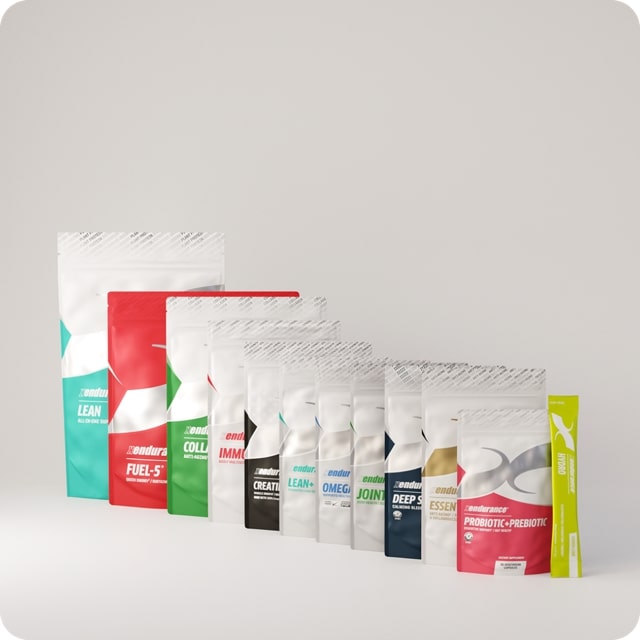
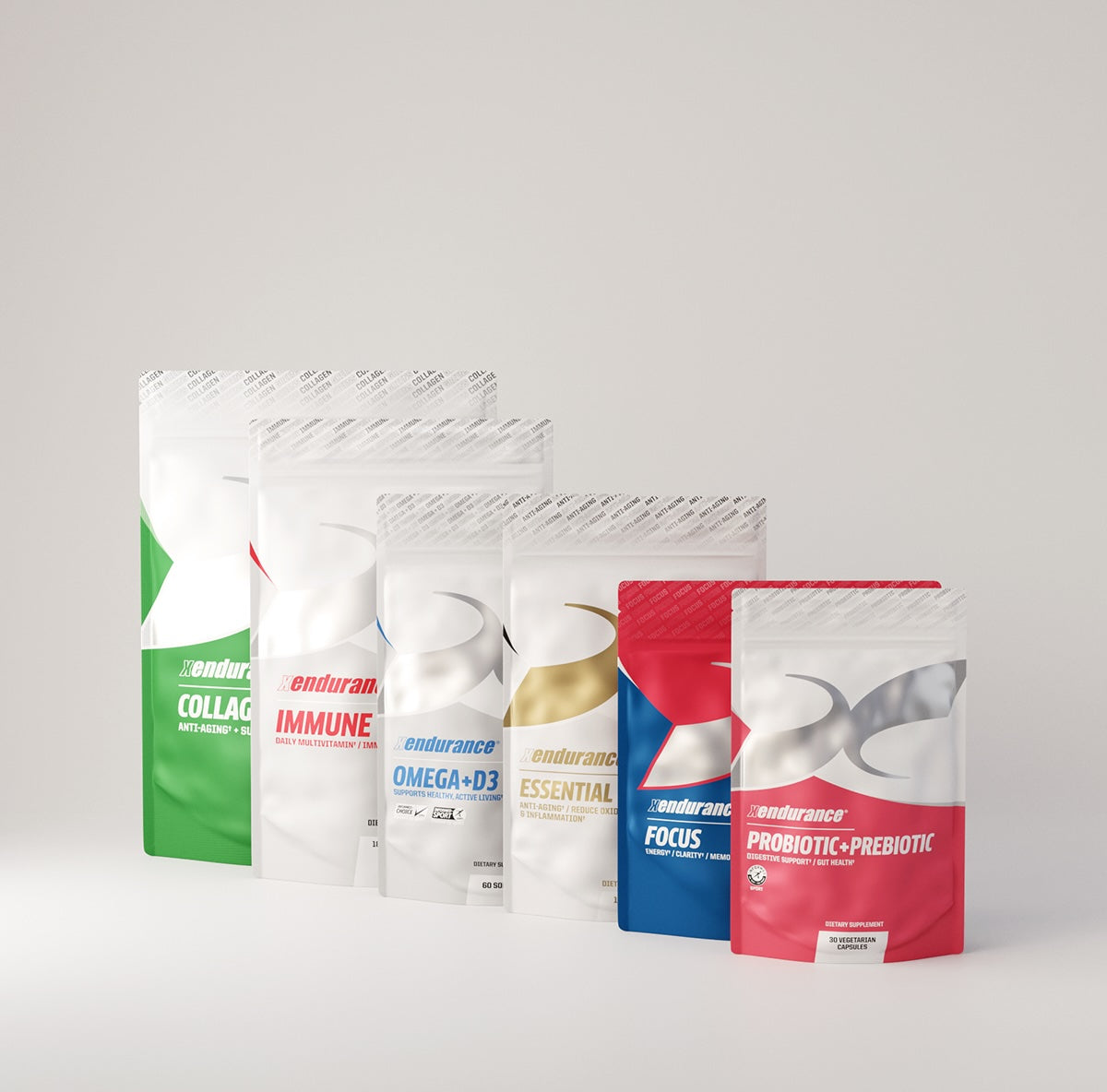
Xendurance Collagen + Greens is a great example. It combines grass-fed collagen peptides (hydrolyzed for easy absorption and bioactive activity) with organic superfood greens. The collagen component delivers peptides that support joint mobility, skin elasticity, bone health, and gut integrity—while the greens add antioxidants and micronutrients that enhance overall effects.
Xendurance Proteins (and related formulations) emphasize clean, functional ingredients that align with this peptide-rich approach. Whether you’re an athlete recovering from training or someone looking for daily wellness, these products make it simple to get targeted bioactive support alongside real-food nutrition.
The hydrolyzed collagen in Collagen+Greens, for instance, provides peptides that studies link to better recovery, reduced discomfort, and visible skin/joint improvements—without having to simmer broth daily. Many users report feeling the difference in energy, digestion, and how their body handles inflammation—consistent with the science on food-derived peptides.
Practical Tips for Everyday People
- Start simple: Add bone broth to soups or sip it. Choose Greek yogurt or kefir.
- Supplement smartly: Look for hydrolyzed collagen or specific protein blends from reputable brands like Xendurance. Collagen+Greens mixes easily into smoothies—collagen peptides + greens in one scoop.
- Pair wisely: Vitamin C-rich foods (berries, citrus, greens) help with collagen synthesis. Combine with movement for better results.
- Consistency matters: Benefits build over weeks/months as peptides support ongoing processes.
Who benefits most? Active people, those with joint concerns, anyone focused on aging well, or seeking natural gut/immune support.
The Bottom Line: Food Has Had Your Back All Along
Bioactive peptides remind us that real food is sophisticated chemistry. They’ve been in our diets forever because nature designed proteins to yield these helpful fragments during digestion and preparation. Modern science is just catching up, explaining why grandma’s broth or fermented foods felt healing.
In today’s busy world, products like Xendurance Collagen + Greens and their Protein offerings bridge the gap—delivering concentrated, science-backed bioactive peptides from grass-fed sources plus nutrient-dense greens. You’re not chasing a fad; you’re tapping into timeless nutrition with modern convenience.
Eat well, move often, and let these natural peptides do some of the heavy lifting. Your body has been benefiting from them for a long time—now you know why.



Leave a comment
This site is protected by hCaptcha and the hCaptcha Privacy Policy and Terms of Service apply.