





The conversation around aging has been shifting from mere lifespan extension to optimizing healthspan—the years we live in good health. One emerging star in this dialogue is the role of muscle mass in regulating cellular aging. Recent scientific advances reveal that skeletal muscle isn't just for movement; it's a dynamic organ that influences systemic aging processes. Maintaining or building muscle mass can mitigate cellular decline, combat frailty, and potentially add vibrant years to life. This isn't hype—it's backed by geroscience, the study of aging biology.
With global populations aging rapidly, recognizing how muscle mass regulates cellular aging is more important than ever. Sarcopenia and its deep connections to longevity and overall health are moving to the forefront of aging research and personal health planning—making informed awareness and early intervention absolutely crucial.
Understanding Sarcopenia: The Silent Thief of Muscle
Sarcopenia, derived from Greek words meaning "poverty of flesh," is the progressive loss of skeletal muscle mass, strength, and function that occurs with aging. It typically begins in the 30s or 40s, accelerating after 60, with muscle mass declining by 3-8% per decade. By age 80, many individuals have lost up to 50% of their peak muscle mass, leading to reduced mobility, increased fall risk, and diminished quality of life.
The causes are multifaceted. Hormonal changes, such as declining levels of growth hormone, testosterone, and estrogen, impair muscle protein synthesis. Inadequate nutrition, particularly low protein intake, exacerbates this, as older adults require more protein to trigger muscle-building signals. Sedentary lifestyles compound the issue, reducing mechanical loading on muscles, which is essential for maintenance.
At the cellular level, sarcopenia intertwines with senescence—the process where cells stop dividing and enter a state of permanent arrest, secreting inflammatory factors known as the senescence-associated secretory phenotype (SASP). In aging muscle, senescent cells accumulate in muscle stem cells (MuSCs), fibro-adipogenic progenitors, and myofibers, impairing regeneration. This leads to chronic inflammation (inflammaging), oxidative stress, and mitochondrial dysfunction, creating a vicious cycle. For instance, senescent MuSCs lose their ability to repair damage, resulting in fat infiltration and fibrosis in muscle tissue.
Epidemiologically, sarcopenia affects 10-40% of older adults, varying by region and diagnostic criteria. It's not just a standalone condition; it's linked to comorbidities like obesity, diabetes, and cardiovascular disease, amplifying mortality risk. Recognizing sarcopenia early—through grip strength tests or DEXA scans—can prevent its progression, emphasizing why muscle health is foundational to aging gracefully.
The Science: How Muscle Mass Regulates Cellular Aging
Delving deeper, skeletal muscle acts as an endocrine organ, secreting myokines—signaling molecules that influence whole-body metabolism and inflammation. Higher muscle mass correlates with better regulation of cellular aging hallmarks, including genomic instability, telomere attrition, and epigenetic alterations.
Cellular senescence is central here. In aging muscle, senescent cells drive sarcopenia by promoting proteolysis (muscle breakdown) and inhibiting anabolism. Studies highlight how senescence in MuSCs reduces regenerative capacity, leading to frailty. Muscle mass counters this by enhancing mitochondrial biogenesis and reducing oxidative stress, which otherwise accelerates senescence.
Recent atlases, like the 2024 human skeletal muscle aging atlas, map these changes at single-cell resolution, showing how fast-twitch fibers (type II) atrophy more than slow-twitch (type I), contributing to power loss. Inflammation from SASP factors like IL-6 and TNF-α disrupts muscle homeostasis, but robust muscle mass dampens this by releasing anti-inflammatory myokines such as IL-15.
Metabolically, muscle regulates glucose uptake and insulin sensitivity, preventing age-related metabolic disorders that fuel cellular aging. Loss of muscle mass increases adiposity, which exacerbates senescence via adipokines. Emerging research on senotherapeutics—drugs targeting senescent cells—shows promise; for example, Maraviroc, a CCR5 inhibitor, reduces senescence in muscle progenitors, potentially reversing sarcopenic traits.
Consensus frameworks identify muscle metrics (e.g., mass index, fiber size) as biomarkers for biological aging, integrating them into epigenetic clocks. This underscores muscle's regulatory role: it's not passive; it actively modulates aging pathways, making preservation a key anti-aging strategy.
Longevity Factors: Muscle as a Predictor of Lifespan and Healthspan
Muscle mass isn't just about aesthetics—it's a potent predictor of longevity. Studies show that higher muscle mass index in older adults is associated with lower all-cause mortality, outperforming BMI as a metric. For every unit increase in muscle mass, mortality risk drops significantly, independent of fat mass.
This link stems from muscle's influence on healthspan—the disease-free portion of life. Strong muscles enhance balance, reducing falls (a leading cause of death in seniors), and support immune function via myokines like IL-15, which combats immune senescence. In obesity-sarcopenia overlap, low muscle mass accelerates frailty, but building it improves metabolic health and longevity.
Lifestyle plays a role: Active individuals with higher muscle mass exhibit slower epigenetic aging.
Some clinical trials explore stem cell therapies to reverse muscle atrophy, boosting healthspan. Overall, muscle mass fosters resilience against aging stressors, making it a cornerstone for extending both lifespan and vitality.
Resistance Training: The Frontline Defense Against Sarcopenia
Resistance training (RT) is the gold standard for combating sarcopenia and enhancing longevity. It stimulates muscle protein synthesis, increases fiber size, and promotes clearance of senescent cells. Protocols for older adults emphasize progressive overload: 2-3 sessions weekly, focusing on major muscle groups.
A basic routine: Squats, deadlifts, bench presses, and rows at 70-80% of one-repetition maximum (1RM), 8-12 reps, 3 sets. For beginners, start with bodyweight or light weights, progressing to free weights or machines. Blood-flow restriction (BFR) training—using low loads (20-30% 1RM) with cuffs—yields gains comparable to heavy lifting, ideal for joint-sensitive seniors.
Combining RT with nutrition amplifies effects; a meta-analysis shows it improves lean mass and function in sarcopenic adults. For longevity, RT boosts grip strength and gait speed, reducing mortality by up to 40%. HIIT integration enhances mitochondrial function, further slowing cellular aging. Quality of life improves, as seen in studies using tools like SarQoL. Safety first: Consult professionals, warm up, and progress gradually.
Supplements to Aid Muscle Building
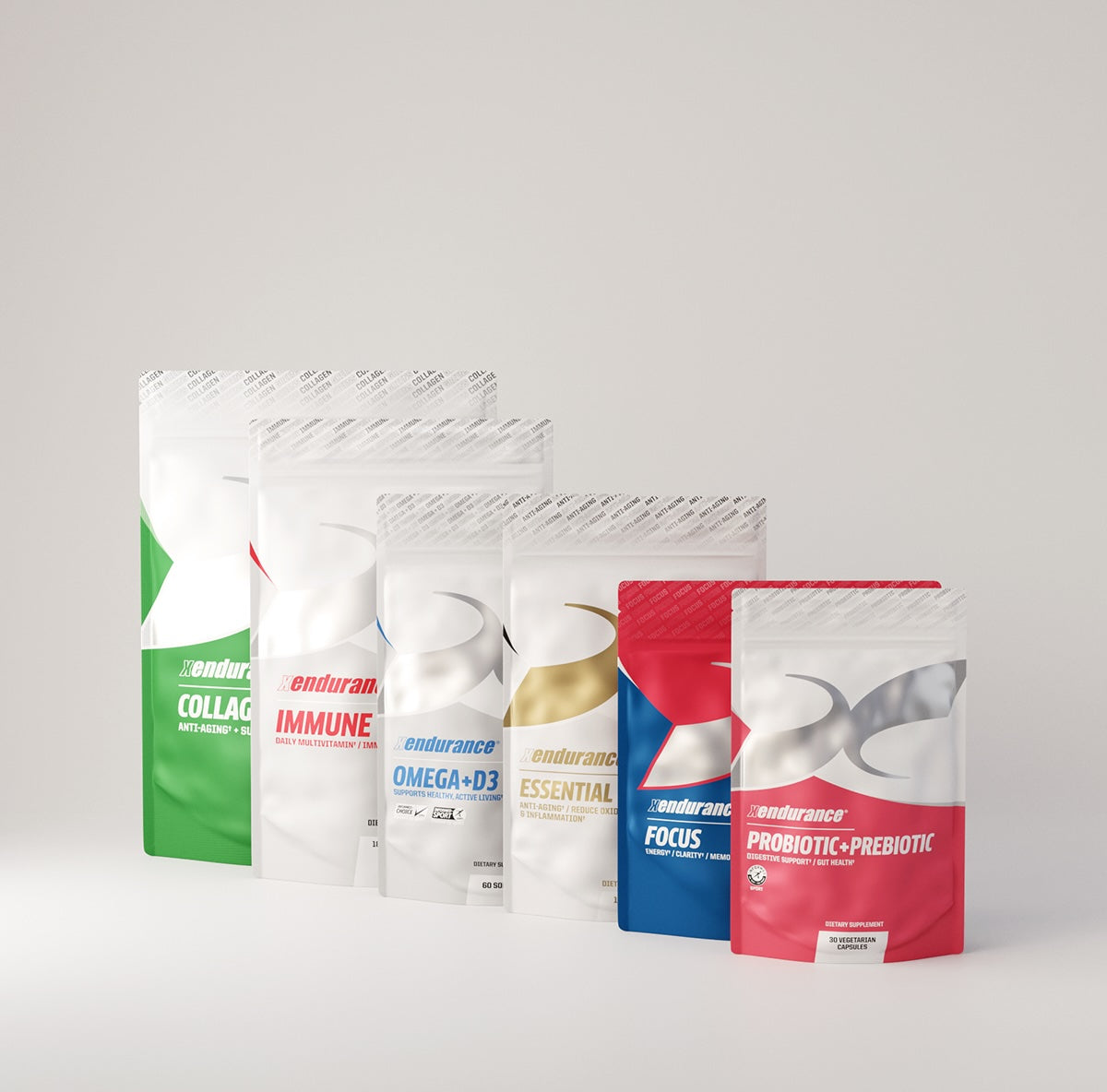
While diet is key, supplements support muscle gains in older adults. A quality whey protein, such as the Xendurance Protein, enhances synthesis, outperforming plant-based options. Creatine monohydrate (5g daily), such as the Xendurance Creatine-JB, increases strength and mass, and is safe for long-term use, especially since Creapure creatine is used.
Leucine-rich supplements (3-5g) trigger mTOR pathways for anabolism. Vitamin D (2000 IU) combats deficiency-linked sarcopenia. HMB (3g) reduces breakdown, while omega-3s (2g EPA/DHA) curb inflammation. Ursolic acid and L-carnitine show promise but need more trials. Always pair with RT and consult doctors.
Muscle Up for a Longer, Healthier Life
In 2026, prioritizing muscle mass is a smart investment in cellular health and longevity. By addressing sarcopenia through science-backed strategies like RT and supplements, you can help regulate aging at its core.



Leave a comment
This site is protected by hCaptcha and the hCaptcha Privacy Policy and Terms of Service apply.