



In the fitness world of 2026, protein has long been king. Gym bags overflow with shakes, and social feeds are filled with macro counts boasting 150g+ of the muscle-building macro. But a quiet revolution is underway: fibermaxxing — the deliberate push to maximize dietary fiber intake — is stealing the spotlight, especially post-workout.
TikTok, Instagram, and X are buzzing with creators ditching the all-protein approach for fiber-packed recovery meals. Gen Z led the charge with viral “fibermaxxing” videos, and now major brands and even PepsiCo’s CEO are calling fiber “the next protein.” Whole Foods predicts fiber-forward packaging will dominate shelves this year, while dietitians cheer the shift toward better gut health, sustained energy, and smarter weight management.
If you’re still slamming plain whey post-lift and wondering why recovery feels sluggish, or hunger hits hard an hour later, it might be time to rethink your plate. Here’s why adding fiber after your workout could outperform chasing extra protein alone — and exactly how to do it without the bloat.
What Is Fibermaxxing? The Nutrition Shift Everyone’s Talking About
Fibermaxxing simply means intentionally loading up on high-fiber foods — fruits, vegetables, legumes, whole grains, nuts, and seeds — to hit or slightly exceed daily recommendations (25–38g for most adults, with many aiming for 40g+). It’s the natural evolution of “proteinmaxxing,” but with a focus on whole-food volume and gut benefits instead of isolated powders.
The trend exploded via TikTok, where users share massive fiber-loaded bowls and claim clearer skin, steadier energy, better digestion, and easier fat loss. In 2026, it’s mainstream: 52% of consumers express interest after learning about it, and food companies are launching fiber-enriched everything.
Unlike extreme protein pushes that can crowd out carbs and micronutrients, fibermaxxing complements them. Experts note that many high-protein dieters accidentally skimped on fiber, leading to constipation, energy crashes, and stalled progress. Fiber fills the gap.
Why Fiber Might Outshine Extra Protein Post-Workout
Protein remains essential for muscle repair (aim for 1.6–2.2g per kg body weight daily). But recent conversations and research highlight that excessive focus on protein alone misses bigger recovery pictures: gut microbiome health, blood sugar stability, sustained satiety, and inflammation control.
Here’s what people are saying online and what science backs in 2026:
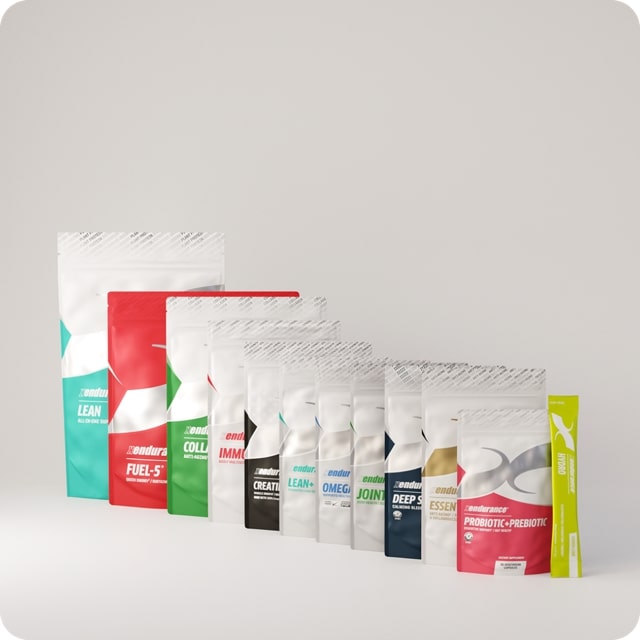
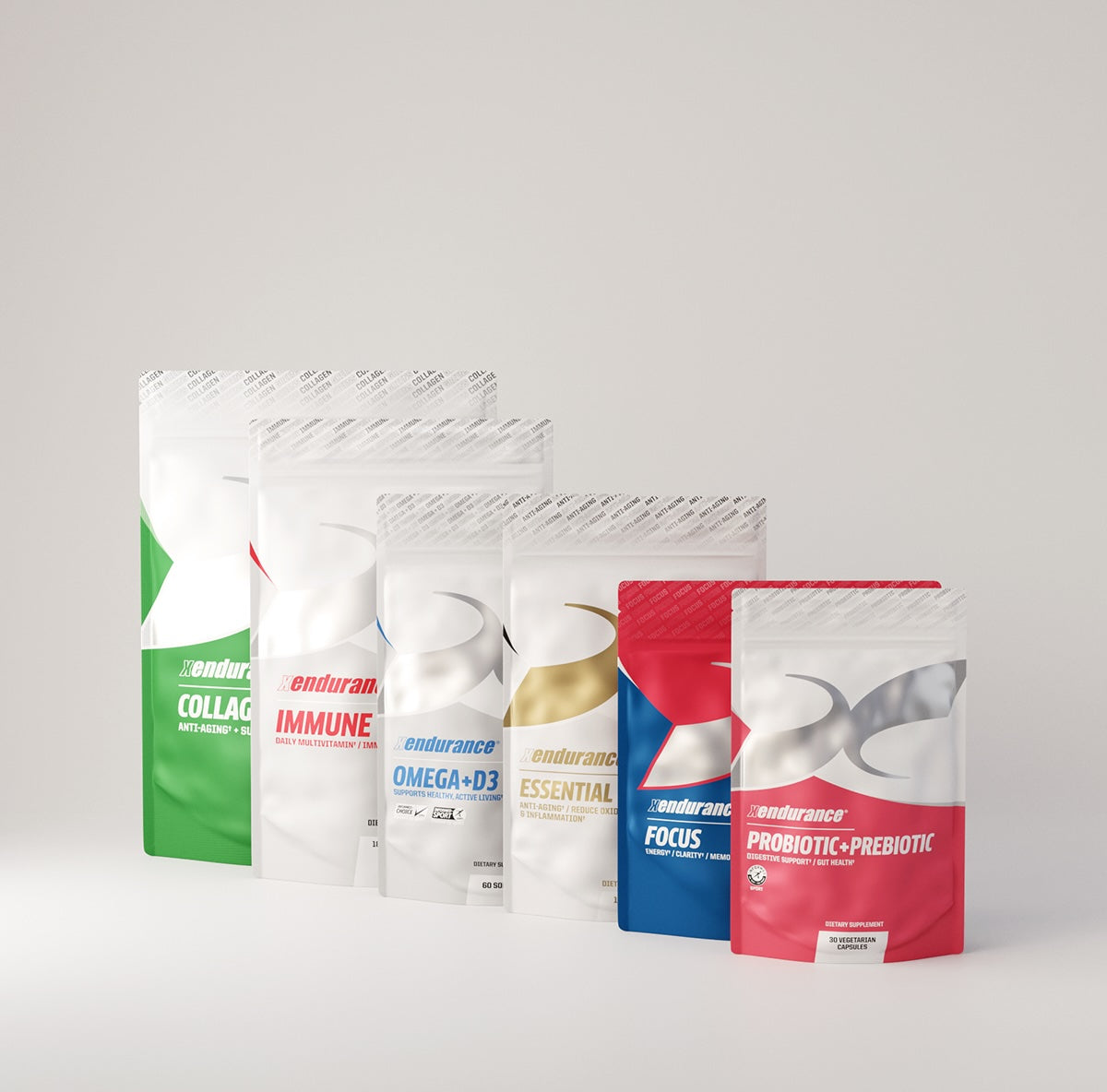
- Gut Health & Microbiome Recovery: Intense training stresses the gut. Fiber (especially prebiotic types from oats, beans, chia, and veggies and even prebiotic supplements, like Xendurance Prebiotic+Probiotic) feeds beneficial bacteria, producing short-chain fatty acids (SCFAs) that reduce inflammation and speed overall recovery. Post-workout is prime time because your body is primed for nutrient absorption.
- Blood Sugar & Energy Stability: High-protein, low-fiber meals can cause rapid spikes and crashes. Adding 10–15g fiber post-workout slows carb absorption, providing gradual glycogen replenishment without the insulin rollercoaster. Fitness creators on Instagram rave that this prevents the post-lift “hangry” feeling and keeps fat-burning mode engaged longer.
- Satiety & Weight/Fat Loss Support: Fiber expands in the stomach and delays digestion, keeping you full for hours. This pairs beautifully with protein for dual satiety. For those on GLP-1 medications (a huge 2026 crossover trend), fiber helps manage reduced appetite while preserving muscle and preventing digestive issues.
- Better Glycogen Replenishment Without Overload: Fiber-rich carbs (quinoa, sweet potatoes, berries, bananas) replenish stores more steadily than simple sugars alone, supporting sustained muscle recovery. Some athletes report less soreness and better next-day performance.
- Heart, Longevity & Anti-Inflammatory Benefits: Higher fiber intake correlates with lower risks of heart disease, diabetes, and certain cancers — critical for lifters thinking beyond the next PR. Protein builds muscle; fiber supports the system that lets you train consistently for decades.
Social media consensus: “Protein is so last year.” People share before-and-afters of better digestion, flatter stomachs, and consistent energy when they pair 30–40g protein with 10–20g fiber post-workout instead of doubling down on shakes.
Protein timing debates rage on (the old 30-minute anabolic window is largely debunked; total daily intake and even distribution matter more), but fiber adds a layer of practicality that pure protein often lacks.
Post-Workout Fiber Timing: When & How Much?
Experts recommend post-workout (within 30–90 minutes) for fiber because:
- It avoids GI discomfort during training (save heavy fiber for after).
- It enhances nutrient uptake during the recovery window.
- Combined with protein + carbs, it creates the ideal “recovery trifecta."
Target 10–15g fiber in your immediate post-workout meal, building toward 35–50g daily. Ramp up gradually (add 5g per week) and drink plenty of water to prevent bloating — the #1 complaint from new fibermaxxers.
Diversity beats sheer quantity: Mix soluble fiber (oats, beans, psyllium for cholesterol/blood sugar) with insoluble (veggies, whole grains for regularity).
Practical Fibermaxxing Post-Workout Meals & Recipes
Here’s what’s trending and actually works:
1. High-Fiber Protein Shake Upgrade (5 minutes, ~12–15g fiber)
Blend: 30g whey or plant protein + banana + 2 tbsp chia seeds + handful spinach + ½ cup berries + oat milk. Add creatine if you stack it. Creamy, filling, and gut-friendly.
2. Veggie-Packed Recovery Bowl (~15–18g fiber)
Grilled chicken or tofu (35g protein) + quinoa or farro + roasted broccoli/zucchini + black beans + avocado + lemon-tahini dressing. This is a social media favorite for muscle repair plus microbiome support.
3. Greek Yogurt Parfait (make-ahead, ~10g fiber)
Full-fat or Greek yogurt (25–30g protein) + chia pudding base + mixed berries + chopped almonds + sprinkle of ground flax. Perfect for morning lifters.
4. Dense Bean Salad (plant-based, high volume)
Chickpeas, lentils, veggies, herbs, olive oil, and feta or tuna. Prep in batches — hits 20g+ fiber and 30g+ protein easily.
5. Overnight Oats with a Twist
Oats + protein powder + pumpkin seeds + kimchi or green onions for probiotic + fiber maxxing (yes, people are really doing this on X).
Other viral ideas: Sweet potato with black beans and turkey, lentil-chickpea “meatloaf,” or sheet-pan dinners loaded with veggies and lean protein.
Common Pitfalls & Pro Tips for Fibermaxxing
- Don’t go extreme overnight: Jumping from 15g to 70g fiber causes gas and discomfort. Slow and steady wins.
- Hydrate aggressively: Fiber needs water to work properly.
- Balance with protein: Don’t replace protein — combine them. Many high-fiber foods (beans, nuts, seeds) naturally bring protein too.
- Personalization matters: Women, older adults, or GLP-1 users may benefit even more from the satiety and gut support. Endurance athletes love fiber-rich carbs for steady fuel.
- Supplements as backup: Psyllium or inulin can help hit targets, but whole foods reign supreme for micronutrients and diversity.
- Track smart: Use apps to monitor both protein and fiber. Aim for synergy, not competition.
Fitness communities emphasize: Fiber isn’t flashy like protein, but it delivers compound benefits that keep you training harder longer.
Your 7-Day Fibermaxxing Post-Workout Starter Plan
Daily targets (adjust for body size): 35–45g fiber, 1.6–2.2g protein/kg, with post-workout meals hitting 10g+ fiber + 25–40g protein.
- Day 1–2: Focus on adding chia/flax to shakes + one extra veggie serving.
- Day 3–4: Introduce a bean or lentil bowl post-lift.
- Day 5–7: Experiment with overnight oats or dense salads; track digestion and energy.
Pair with good sleep, electrolytes, and consistent training. Many report noticeable improvements in bloating, energy, and workout consistency within 2–3 weeks.
The Bigger Picture: Fiber + Protein = Future-Proof Fitness
The smartest athletes aren’t choosing between protein and fiber — they’re stacking both intelligently. Protein builds the muscle; fiber supports the gut, hormones, inflammation response, and long-term adherence that actually delivers results.
The conversation has shifted from “more protein” to “better overall nutrition.” Fibermaxxing after your workout isn’t about ditching shakes — it’s about upgrading them into meals that fuel recovery on every level.
Ready to start simple? Add a handful of berries, chia, or broccoli to your next post-workout meal. Your gut, energy levels, and future PRs will get back on track.



Leave a comment
This site is protected by hCaptcha and the hCaptcha Privacy Policy and Terms of Service apply.