



In an era defined by prolonged sitting, sedentary work environments, extended screen time, and minimal daily movement, cardiovascular disease continues to claim more lives than any other condition worldwide. Physical inactivity stands as one of the most significant modifiable risk factors for heart disease, accelerating plaque buildup in arteries, raising blood pressure, stiffening blood vessels, impairing endothelial function, and diminishing cardiorespiratory fitness.
The good news is that regular exercise remains one of the most powerful tools to reverse these trends—and among all forms of exercise, High-Intensity Interval Training (HIIT) delivers some of the most impressive cardiovascular benefits in the least amount of time. By strategically challenging the heart with intense bursts followed by recovery, HIIT produces outsized improvements in heart function, vascular health, plaque stability, and overall cardiovascular resilience.
Understanding HIIT
High-Intensity Interval Training consists of short, intense efforts—typically 20–90 seconds at 80–95% of maximum heart rate or perceived exertion—alternated with periods of active recovery or complete rest. A typical session lasts 10–30 minutes, including warm-up and cool-down, making it highly time-efficient.
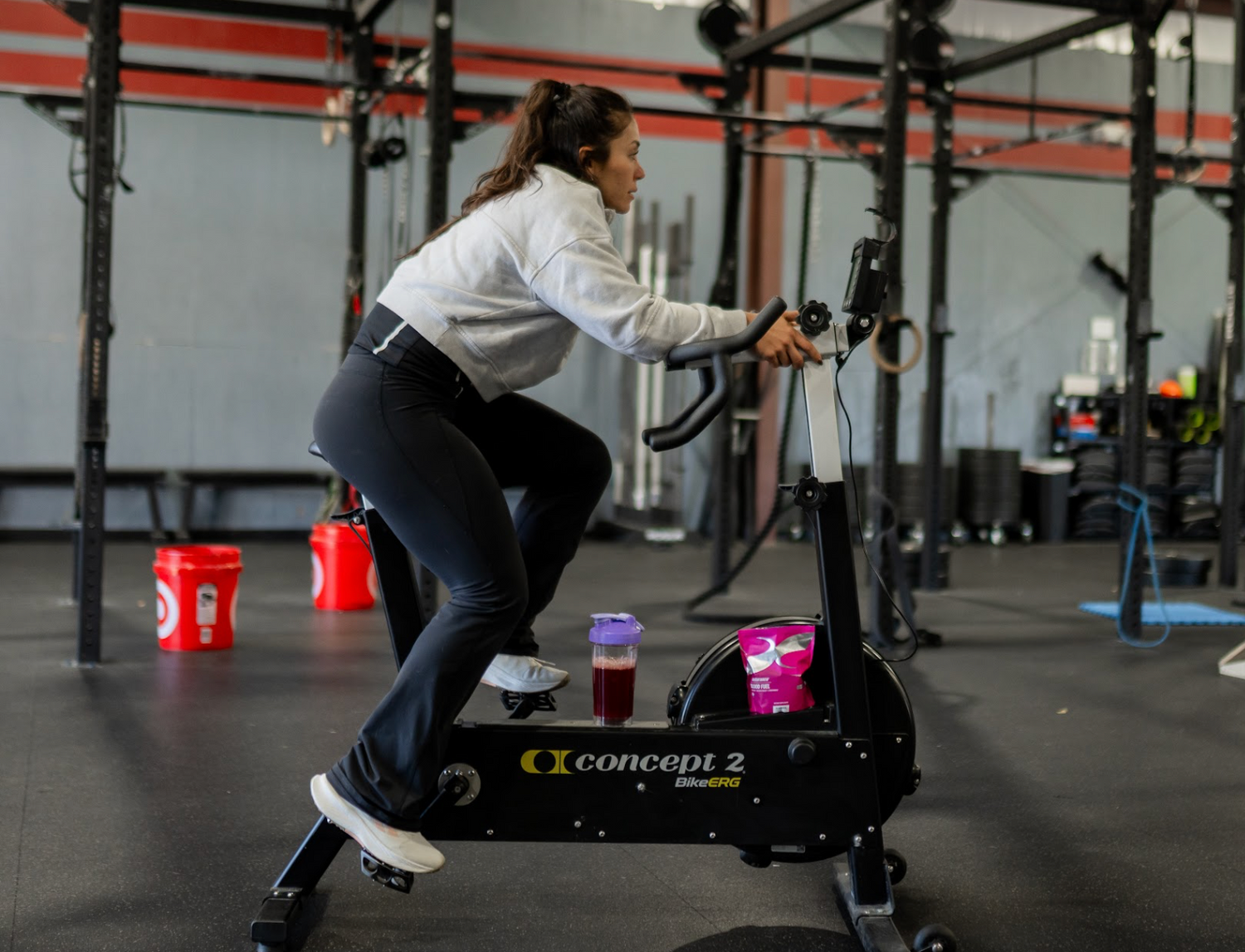
Common formats include cycling sprints, treadmill intervals, rowing bursts, or bodyweight circuits (e.g., burpees, mountain climbers, or high-knee runs). The defining feature is the deliberate push to near-maximal effort during work intervals, which creates a powerful stimulus for cardiovascular adaptation that steady-state moderate exercise often cannot match in the same timeframe.
The Urgent Need for Cardiovascular Protection in a Sedentary World
Modern lifestyles have engineered physical activity out of daily life. Many adults sit for 8–12 hours per day, a behavior that independently increases risk of coronary artery disease, heart failure, stroke, and early mortality—even among people who occasionally exercise. Prolonged sitting slows metabolism, promotes insulin resistance, elevates chronic inflammation, raises blood lipids, and impairs the ability of blood vessels to dilate properly.
Exercise directly counters these mechanisms. It enhances oxygen delivery, increases cardiac output, improves arterial compliance, reduces systemic inflammation, lowers resting blood pressure, and dramatically boosts cardiorespiratory fitness (VO2 peak), one of the strongest predictors of long-term cardiovascular health and longevity. In today’s environment, consistent movement is no longer a luxury—it is essential preventive cardiology. HIIT stands out because it compresses these protective adaptations into short, potent sessions, making meaningful heart protection realistic even for the busiest individuals.
How HIIT Drives Superior Cardiovascular Improvements
HIIT produces rapid and substantial gains in cardiorespiratory fitness. Multiple meta-analyses show it increases VO2 peak more effectively than moderate-intensity continuous training (MICT) when total exercise volume and time are matched—or even when HIIT sessions are significantly shorter. Higher VO2 peak translates to better heart pumping efficiency, larger stroke volume, improved oxygen extraction by muscles, and greater overall cardiovascular reserve.
Blood pressure responds particularly well to HIIT. Both resting and ambulatory readings often decline more with HIIT than with steady-state exercise, especially in people with prehypertension or hypertension. HIIT also enhances endothelial function—the inner lining of blood vessels—leading to better vasodilation, reduced arterial stiffness, and lower shear stress on plaque.
Metabolic improvements further protect the heart: HIIT markedly increases insulin sensitivity, helps normalize glucose control, and favorably shifts lipid profiles (lower triglycerides, higher HDL). These changes reduce the progression of atherosclerosis and lower the likelihood of acute events.
In clinical settings, supervised HIIT has become a cornerstone of cardiac rehabilitation. It improves left ventricular ejection fraction, reverses adverse remodeling in heart failure patients, accelerates functional recovery after myocardial infarction or coronary bypass surgery, and enhances quality-of-life scores more than traditional moderate exercise in many studies.
Landmark Evidence: HIIT and Coronary Plaque Regression
A landmark randomized controlled trial published in the European Journal of Preventive Cardiology in 2023, titled “High Intensity interval training induces beneficial effects on coronary atheromatous plaques: a randomized trial,” offers direct proof of HIIT’s disease-modifying power on the coronary arteries themselves.
In this study, 60 patients with stable coronary artery disease who had previously undergone percutaneous coronary intervention were randomly assigned to either six months of supervised HIIT (two sessions per week at 85–95% peak heart rate) or standard preventive care (control group). Coronary plaque burden was precisely measured using intravascular ultrasound at baseline and follow-up.
Results were striking: the HIIT group experienced significant plaque regression. Percent atheroma volume (PAV) decreased by 1.2% (95% CI: -2.1 to -0.2, P=0.017), while the control group showed no meaningful change (0.2%, P=0.616). Normalized total atheroma volume (TAVnorm) fell by 9 mm³ in the HIIT group compared with an increase in controls, yielding a highly significant between-group difference (-12.0 mm³, P=0.003).
These findings demonstrate that HIIT does more than improve risk factors—it can actively reverse coronary atherosclerosis, stabilize vulnerable plaques, and reduce the structural progression of disease. This level of plaque regression is rarely achieved through lifestyle or pharmacologic interventions alone and underscores HIIT’s unique potency for secondary prevention in established coronary disease.
Supporting reviews and meta-analyses consistently show HIIT produces greater gains in VO2 peak (often 1.5–2 mL/kg/min more than MICT), superior improvements in endothelial function, and comparable or better effects on blood pressure and metabolic health in patients with coronary syndromes.
Practical Steps to Incorporate HIIT Safely for Heart Health
To capture these cardiovascular benefits, start conservatively and prioritize safety. Anyone with known heart disease, uncontrolled hypertension, or a sedentary history should obtain medical clearance before beginning.
Begin with 1–2 sessions per week, 10–20 minutes total. Choose low-impact modalities (stationary bike, elliptical, rowing) if joint or orthopedic concerns exist.
A beginner-friendly structure:
- 5-minute light warm-up
- 6–10 cycles of 20–30 seconds high effort (hard but sustainable) followed by 1–2 minutes easy recovery
- 5-minute cool-down
Use perceived exertion, heart rate (if monitored), or “talk test” to guide intensity. Gradually increase work intervals, reduce recovery time, or add sessions as fitness improves.
Complement HIIT with daily low-level movement (standing breaks, short walks) to offset prolonged sitting. Pair with resistance training 2–3 times weekly and heart-healthy nutrition to maximize protection.
Closing: The Heart-Strengthening Power of Short, Intense Intervals
In a world engineered for inactivity, HIIT offers one of the most efficient and powerful ways to strengthen cardiovascular health. Its ability to boost cardiorespiratory fitness, improve vascular function, lower key risk factors, and—most impressively—induce measurable regression of coronary atherosclerotic plaque sets it apart as a frontline strategy for both prevention and secondary care. By committing to short, focused high-intensity sessions, you invest in long-term heart resilience and reduced disease burden. Start thoughtfully, progress steadily, and let HIIT become a cornerstone of your cardiovascular defense.



Leave a comment
This site is protected by hCaptcha and the hCaptcha Privacy Policy and Terms of Service apply.