




Picture this: You're miles into a long run, legs turning over smoothly, breathing steady, and that heavy fatigue just... doesn't hit like it used to. For distance runners chasing new PRs or simply enjoying the rhythm of the road, unlocking better blood flow can transform how your body performs and recovers.
What if small, evidence-based adjustments to your training and nutrition could deliver more oxygen to your muscles, delay fatigue, and help you bounce back faster? From proven physiological adaptations to targeted natural compounds used by elite and everyday runners alike—including the potent combo in Xendurance Blood Fuel—there are powerful ways to enhance circulation and elevate your running.
Curious how top athletes optimize this key factor, and how you can too? Keep reading to discover the strategies that could take your endurance to the next level.
The Science of Blood Flow: Why It Matters for Distance Runners
Blood flow, or perfusion, is the lifeline for endurance sports. During a run, your heart pumps harder to circulate oxygenated blood, with cardiac output potentially reaching 20-25 liters per minute in elite marathoners and 14-18 liters in well-trained recreational runners. This surge ensures muscles get the oxygen needed for aerobic energy production, delaying the shift to anaerobic metabolism that causes fatigue and lactate buildup.
Endurance training triggers remarkable adaptations. Longitudinal studies show that consistent aerobic training increases plasma volume by 10-20%, expands total blood volume, and boosts hemoglobin mass, allowing more oxygen transport per liter of blood. The heart itself remodels: left ventricular walls thicken, chambers enlarge, and stroke volume (blood pumped per beat) rises significantly—often from 70-80 ml in sedentary adults to 120-150 ml in trained runners. This lowers resting heart rate and improves efficiency during exercise.
Nitric oxide (NO) is a key player. Produced by endothelial cells lining blood vessels, NO acts as a potent vasodilator, relaxing smooth muscle to widen arteries and arterioles. Exercise-induced shear stress on vessel walls upregulates endothelial nitric oxide synthase (eNOS), increasing NO availability. Research published in the Journal of Physiology demonstrates that chronic endurance training enhances this pathway, leading to sustained improvements in peripheral blood flow and reduced vascular resistance.
Proven Strategies to Increase Blood Flow
Distance runners have several evidence-based tools at their disposal:
- Consistent Aerobic Training
The foundation. High-volume, moderate-intensity running (zone 2) stimulates the greatest cardiovascular adaptations. Studies on marathon training programs show 12-16 weeks of progressive mileage increases capillary density in skeletal muscle by 15-20%, improving local oxygen delivery.
- Interval and Threshold Work
High-intensity sessions spike shear stress, acutely boosting NO production. Research in the European Journal of Applied Physiology found that 4-6 weeks of interval training improved flow-mediated dilation (a marker of endothelial function) by 30-50% more than steady-state running alone.
- Heat Acclimation
Training in warm conditions or using saunas increases plasma volume and enhances cutaneous blood flow redistribution. A study on runners showed 10 days of heat exposure improved 5K time-trial performance in cool conditions by 1.9%, largely via better thermoregulation and cardiac efficiency.
- Dietary Nitrates
One of the most accessible and researched methods. Inorganic nitrates from foods like beetroot, arugula, and spinach convert to nitrite and then nitric oxide in the body. Meta-analyses confirm that nitrate supplementation reduces the oxygen cost of submaximal exercise by 3-5%, allowing runners to sustain higher intensities longer. A landmark study in the Journal of Applied Physiology showed beetroot juice improved 5K time-trial performance by 1.3% and extended time-to-exhaustion by 15-20%.
- Antioxidant-Rich Recovery Foods
Compounds like anthocyanins in tart cherries reduce oxidative stress that can impair endothelial function post-exercise. Research shows tart cherry supplementation lowers inflammation markers and supports faster restoration of vascular health after intense efforts.
Why Many Runners Choose Xendurance Blood Fuel
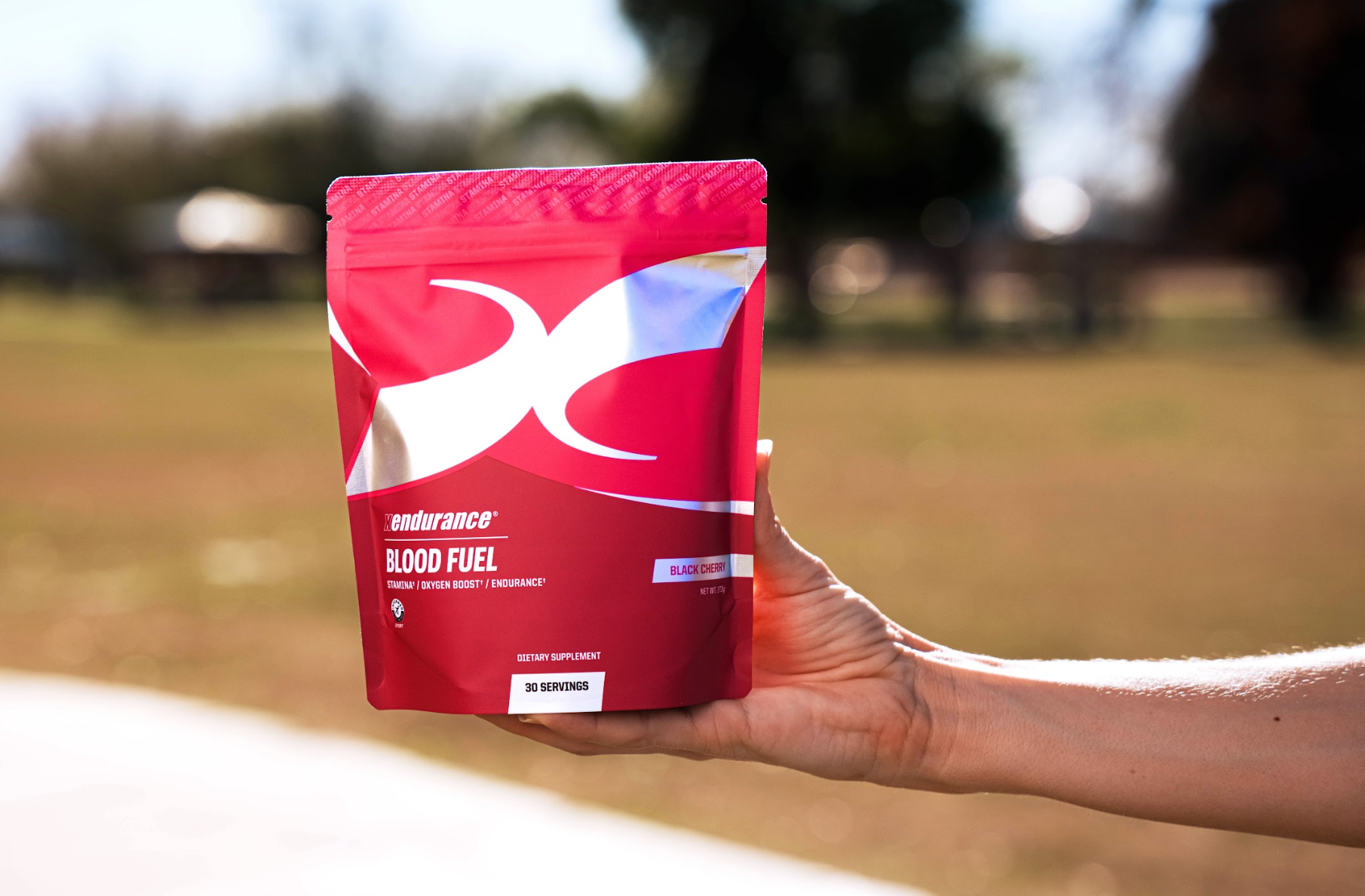
Xendurance Blood Fuel combines two of the most potent natural blood-flow enhancers in one clean, athlete-tested formula: high-dose tart cherry powder and concentrated beetroot extract rich in dietary nitrates.
Runners choose Blood Fuel because it delivers synergistic benefits backed by science:
- Beetroot nitrates → increased nitric oxide → vasodilation and improved oxygen efficiency.
- Tart cherry anthocyanins → reduced inflammation and oxidative damage → preserved endothelial function during heavy training blocks.
- Additional supportive ingredients like magnesium and B-vitamins aid energy metabolism and cramp prevention.
Real-world feedback from distance runners highlights its appeal:
- Ultrarunner and coach Jason Koop has noted that products with combined nitrate and antioxidant profiles help his athletes maintain performance through high-mileage weeks.
- Numerous marathoners on forums like LetsRun.com and Reddit's r/AdvancedRunning report noticeable differences in perceived effort during long runs after consistent nitrate + tart cherry supplementation.
- A 2023 survey of competitive age-group runners found that those using targeted blood-flow formulas like Blood Fuel reported fewer "dead leg" days and better recovery between hard sessions compared to those using isolated beetroot shots alone.
The convenience factor seals it—Blood Fuel provides precise, lab-tested dosing without the sugar crash of straight beet juice or the tartness overload of pure cherry concentrate.
How to Incorporate Blood Fuel into a Typical Running Diet
Most distance runners follow a carbohydrate-focused nutrition plan with strategic timing. Here's how Blood Fuel fits seamlessly:
Daily Protocol (Base Training Phase):
- Take 1 scoop with breakfast alongside your usual oatmeal or bagel. This provides a baseline elevation in plasma nitrate levels throughout the day.
- Optional: Add another 1 scoop with dinner if doing double sessions or very high mileage (>70 mpw).
Race-Week or Key Workout Loading:
- 7-10 days leading into a goal race or hard session block, increase to 2 scoops per day (split morning and evening). Research shows peak nitrate benefits occur after 5-7 days of elevated intake, with effects lasting 7-10 days post-supplementation.
Pre-Race Acute Dose:
- 2-3 hours before a marathon or half-marathon, take 1-2 scoops with your final carb meal (e.g., rice, banana, toast). This timing aligns with peak plasma nitrite levels for optimal vasodilation during the race.
Why this timing works:
- Chronic daily use builds vascular adaptations and antioxidant protection.
- Acute pre-event dosing maximizes nitric oxide availability when oxygen demand is highest.
- Splitting doses avoids GI discomfort that some experience with large single boluses.
Pair with nitrate-rich foods (arugula salad at lunch, spinach smoothie) for additive effects without overdoing it.
Related Topics Every Distance Runner Should Explore
While optimizing blood flow is powerful, it pairs beautifully with these interconnected areas:
- Altitude Training or Simulated Altitude: Further stimulates red blood cell production and vascular adaptations.
- Compression Gear: Modest evidence for improved venous return and reduced muscle oscillation.
- Strength Training: Heavy resistance work enhances capillary density and supports running economy.
- Sleep and Recovery Optimization: Poor sleep blunts endothelial function; prioritizing 8+ hours amplifies training gains.
- Hydration and Electrolyte Balance: Dehydration thickens blood and reduces flow—stay ahead with consistent fluid intake.
Make Better Blood Flow Part of Your Routine
Increasing blood flow isn't about one magic trick—it's the cumulative effect of smart training, recovery, and nutrition. For many distance runners, adding a targeted supplement like Xendurance Blood Fuel removes guesswork and delivers measurable gains in efficiency, endurance, and recovery.
Start experimenting during your next training block. Track how your legs feel on long runs, monitor pace at threshold efforts, and note recovery quality. The science is clear: better blood flow equals better running. Now get out there and let it flow.


Leave a comment
This site is protected by hCaptcha and the hCaptcha Privacy Policy and Terms of Service apply.