




As runners, we obsess over training plans, shoes, nutrition, and recovery gadgets. Yet one critical system often gets overlooked until it causes problems: the gut microbiome. This complex ecosystem of trillions of bacteria, fungi, and other microbes influences everything from digestion and immunity to inflammation and energy production. In the first half of 2026, microbiome support—particularly through targeted probiotics and prebiotics—has surged in popularity among endurance athletes.
If you’ve ever battled “runner’s trots” mid-race, caught every cold during high-mileage blocks, or felt sluggish recovery despite solid sleep, your gut health might be the missing link. Here’s why focusing on microbiome support can be a game-changer for runners.
Why Runners’ Guts Take a Beating
Endurance running stresses the gastrointestinal (GI) system. During long runs, blood flow diverts from the gut to working muscles, reducing oxygen supply and increasing intestinal permeability—often called “leaky gut.” This allows endotoxins to slip into the bloodstream, triggering inflammation.
High-carb fueling (gels, sports drinks), dehydration, psychological stress, travel, and even over-the-counter pain relievers compound the issue. The result? Frequent GI distress (a top DNF reason in marathons and ultras), weakened immunity, and prolonged recovery times.
A disrupted microbiome also impairs nutrient absorption, meaning your carefully planned fueling may not deliver full benefits. Emerging 2025–2026 research highlights how a diverse, balanced gut microbiome supports the “gut-muscle axis,” helping with energy metabolism and reducing exercise-induced stress.
The Science-Backed Benefits of Microbiome Support for Runners
1. Reduced GI Issues During Long Runs and Races
This is the most immediate and well-documented benefit. Multiple studies show probiotics significantly lower the incidence and severity of GI symptoms in marathon runners.
In one key 2019 study (still foundational in 2026 reviews), recreational marathon runners supplemented with probiotics for four weeks experienced fewer and milder symptoms during the race compared to placebo. Similar results appear in 2025 meta-analyses: multi-strain probiotics strengthen the gut barrier, improve tight junctions, and reduce endotoxin leakage.
For endurance athletes pounding high-carb diets, this means better tolerance of fuels without bloating, cramping, or urgent pit stops.
2. Stronger Immunity and Fewer Sick Days
Heavy training suppresses immune function, making runners vulnerable to upper respiratory tract infections (URTIs). Probiotics help modulate immune responses via the gut-immune axis.
Research shows certain strains reduce URTI frequency and duration in athletes. One trial with marathon runners found probiotic supplementation helped maintain CD8+ T-cell populations (key immune cells) post-race and modulated pro-inflammatory cytokines.
In 2025 reviews, athletes using probiotics reported better immune resilience during intense blocks, translating to more consistent training.
3. Faster Recovery and Reduced Inflammation
Probiotics lower inflammatory markers like IL-6, TNF-α, and C-reactive protein while supporting short-chain fatty acid (SCFA) production. SCFAs aid muscle repair, reduce soreness, and improve energy metabolism.
Athletes supplementing with multi-strain formulas often recover faster, with lower muscle damage markers (e.g., creatine kinase). This is crucial during back-to-back hard efforts or post-marathon recovery weeks.
4. Endurance and Performance Gains
The evidence is growing. 2025 meta-analyses conclude probiotic supplementation benefits endurance performance through better oxygen utilization, lactate management, and vascular function.
Notable examples:
- Triathletes improved their running endurance after four weeks.
- Marathon runners covered greater distances in time-to-exhaustion tests after five weeks.
- One fascinating discovery involves Veillonella bacteria (enriched in marathon runners), which convert lactate into usable energy—boosting performance in animal models by 13%.
While not every study shows massive VO2 max jumps, the cumulative effects on GI comfort, immunity, and recovery add up to better training consistency and race-day performance.
5. Improved Nutrient Absorption and Energy
A healthy microbiome optimizes how you process carbs, proteins, and fats. This means more efficient fueling and recovery nutrition—vital when training volume is high.
Choosing the Right Probiotic: Multi-Strain, High CFU Matters
Not all probiotics are equal.
Look for:
- Multi-strain formulas — combining Lactobacillus and Bifidobacterium species for broader benefits.
- High CFU counts — typically 10–50 billion for athletes.
- Prebiotics (synbiotics) — fibers that feed good bacteria.
- Stability — delayed-release capsules that survive stomach acid.
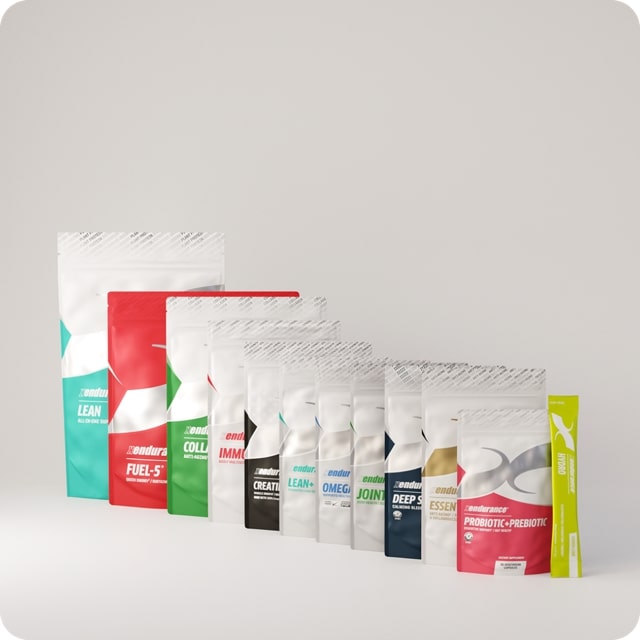
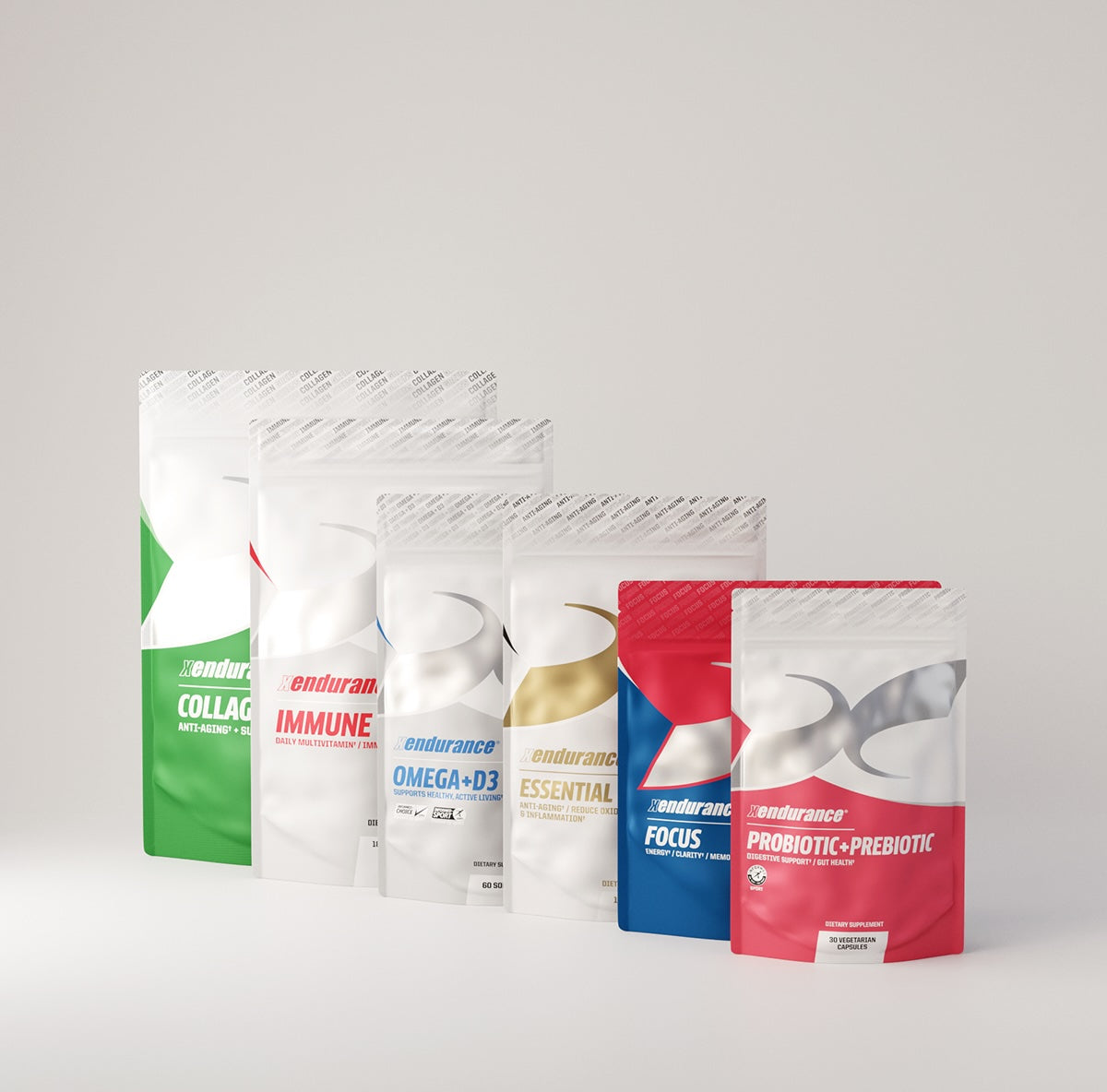
A strong option is Xendurance Probiotic + Prebiotic. It delivers a potent 17-strain blend with 10 billion CFUs per serving in a vegetarian, delayed-release, acid-resistant capsule. This multi-strain approach targets digestion, immunity, and recovery—ideal for runners. It also includes prebiotic support to enhance colonization and SCFA production.
Athletes often report better GI tolerance and sustained energy when using high-quality synbiotic formulas like this during training blocks.
Food-First and Lifestyle Strategies
Supplements work best alongside real food:
- Fermented foods: Yogurt, kefir, sauerkraut, kimchi, kombucha.
- Prebiotic-rich foods: Garlic, onions, leeks, asparagus, bananas, oats, apples.
- Diverse plant intake: Aim for 30+ different plants weekly to feed microbiome diversity.
- Lifestyle factors: Manage stress (cortisol harms good bacteria), stay hydrated, limit unnecessary antibiotics, and prioritize sleep.
Practical Recommendations for Runners
- Start early: Benefits often build over 4–12 weeks. Begin supplementation during base training.
- Consistency: Take daily, ideally 20–30 minutes before a meal.
- Combine with smart fueling: Pair with proper hydration and electrolyte strategies.
- Monitor and personalize: Track GI symptoms, energy, and illness frequency. Consider microbiome testing if issues persist.
- Consult professionals: Especially if you have IBS, autoimmune conditions, or take medications.
Potential limitations: Results are strain-specific and individual. Probiotics are not magic—they complement, not replace, good training and nutrition. Evidence is strongest for endurance athletes but continues to evolve.
Train Your Gut Like You Train Your Legs
The smartest runners treat their microbiome as a performance organ. Supporting it through multi-strain, high-CFU probiotics (like Xendurance Probiotic + Prebiotic), prebiotic foods, and gut-friendly habits can mean fewer GI disasters, stronger immunity, faster recovery, and better race outcomes.
Your gut isn’t just digesting food—it’s quietly directing your energy levels, immune resilience, and ability to handle heavy training loads. Give it consistent attention, and you’ll build a stronger foundation for reliable progress and peak performances all season long.



Leave a comment
This site is protected by hCaptcha and the hCaptcha Privacy Policy and Terms of Service apply.