




In 2026, it feels like half the country is on a GLP-1 medication. Ozempic, Wegovy, Mounjaro—whatever the brand, these drugs are everywhere. Celebrities swear by them, social media feeds are flooded with before-and-after photos, and doctors are prescribing them at record rates for weight loss. They work, at least while you’re taking them. People drop 15–20% of their body weight, sometimes more. But here’s the uncomfortable truth nobody wants to say out loud: most of that weight comes roaring back the moment the injections stop. Studies show up to two-thirds of the lost pounds return within a year of discontinuation. And even while you’re on the drug, you’re not magically fixing your relationship with food or your long-term health habits.
This isn’t new. It’s the same story we’ve heard for decades with every restrictive diet—keto, intermittent fasting, juice cleanses, low-carb, no-carb, cabbage soup. They promise quick wins and deliver short-term results. Then life happens, the rules break, and the cycle restarts. According to research, 80–95% of dieters regain the weight they lost, often plus a little extra, within two to five years. The dieting industry keeps growing because it’s built on temporary fixes that keep customers coming back for the next “miracle” plan.
But what if the real problem isn’t your willpower? What if it’s the very nature of dieting itself? Let’s unpack the six major disadvantages of restrictive dieting. Then we’ll look at why even GLP-1s can’t escape the same traps—and why a solid, non-diet nutrition plan paired with smart supplementation and a true lifestyle program is the far smarter, more sustainable path.
1. Dieting Creates an “All-In or All-Out” Relationship with Food
Dieting doesn’t teach you how to live in the real world. It puts you in a temporary bubble of rules: no sugar, no bread, no eating after 7 p.m., whatever the current trend demands. For a few weeks or months, you’re “on.” Then the wedding, the vacation, the stressful work deadline hits, and suddenly you’re “off.” You swing from hyper-control to total abandonment, bingeing on the very foods you swore off. This pendulum creates a toxic black-and-white mindset: food is either “good” or “bad,” and you’re either succeeding or failing.
The result? Chronic guilt, shame, and a fractured relationship with eating. You never learn how to enjoy a slice of pizza without spiraling into self-judgment. Over time, this all-or-nothing pattern makes normal, balanced eating feel impossible.
2. It Triggers Extreme Cravings and a Scarcity Mindset
Tell yourself you can never have chocolate again, and suddenly, chocolate is all you can think about. Restrictive diets create a psychological scarcity effect. Your brain fixates on the forbidden foods, turning every craving into a battle of willpower. This isn’t weakness—it’s biology and psychology working exactly as evolution designed them.
Clients often describe lying awake thinking about the foods they “can’t” have. The mental energy spent resisting those cravings drains willpower for everything else. GLP-1 drugs temporarily blunt appetite, but they don’t rewire the underlying scarcity mindset. When the medication stops, those cravings often return stronger.
3. You Lose Control Around Food—Then Feel Even Worse
Diets designed to give you control over food often end up stripping it away. When you finally “break” the rules, the scarcity mindset pushes you into overeating past fullness, followed by intense guilt. That guilt fuels the next restrictive phase, and the cycle deepens.
This loss of control isn’t imaginary. Studies link repeated dieting to disrupted hunger and satiety signals. Yo-yo dieters frequently report higher rates of emotional eating. Add GLP-1s to the mix, and the rebound in hunger and emotional triggers can feel even more intense once the drug is discontinued.
4. Results Are Short-Term by Design
Diets deliver quick wins because they’re extreme. But the very extremity that creates the drop makes it unsustainable. Metabolism adapts, muscle mass can decline, and hunger hormones surge. Within months, the body fights back.
Long-term data is brutal: most dieters regain more than half the weight within two years. Weight cycling itself carries health risks. GLP-1s follow a similar script—impressive loss while on the drug, but rapid regain (often 60–75% of the lost weight) within 12–20 months once stopped, unless strong lifestyle habits are already in place.
5. Diets Override Your Body’s Natural Cues
Your body is remarkably good at signaling hunger, fullness, and energy needs—when you let it. Diets replace those signals with external rules. Over time, you stop trusting yourself. You eat on a schedule instead of by internal cues and ignore satiety because the plan says you can’t have more.
Even with GLP-1s, which enhance satiety signals, people still need to relearn how to listen to their bodies once the pharmacological boost fades.
6. Food Becomes Stressful, Time-Consuming, and Miserable
Tracking every bite, memorizing rules, meal-prepping obsessively, avoiding restaurants—the mental load is enormous. Dieting turns one of life’s greatest pleasures into a constant source of anxiety.
In contrast, a sustainable approach frees up that mental space. Food becomes simple again: mostly whole foods, balanced plates, flexibility built in.
The GLP-1 Reality Check: A Powerful Tool, Not a Magic Wand
GLP-1s clearly work for many people, improving blood sugar and reducing cardiovascular risk while you’re on them. But they’re not a standalone solution or a permanent fix for most. Muscle loss is a real concern without adequate protein and strength training. Cost, side effects, and long-term adherence are barriers. The smartest use of GLP-1s is as a temporary bridge while you build the foundations that will outlast it.
The Better Path: A Solid Diet + Supplementation + Lifestyle Program
Here’s what actually works long-term: stop “dieting” and start living a nourished life. This means a flexible, evidence-based eating pattern focused on whole foods, adequate protein, fiber-rich carbs, healthy fats, and plenty of volume from vegetables and fruits. No food is off-limits, but most of your plate comes from nutrient-dense sources.
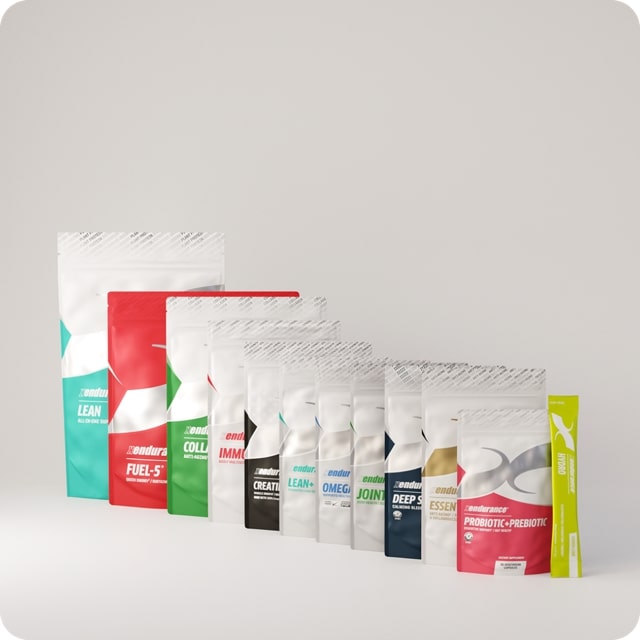
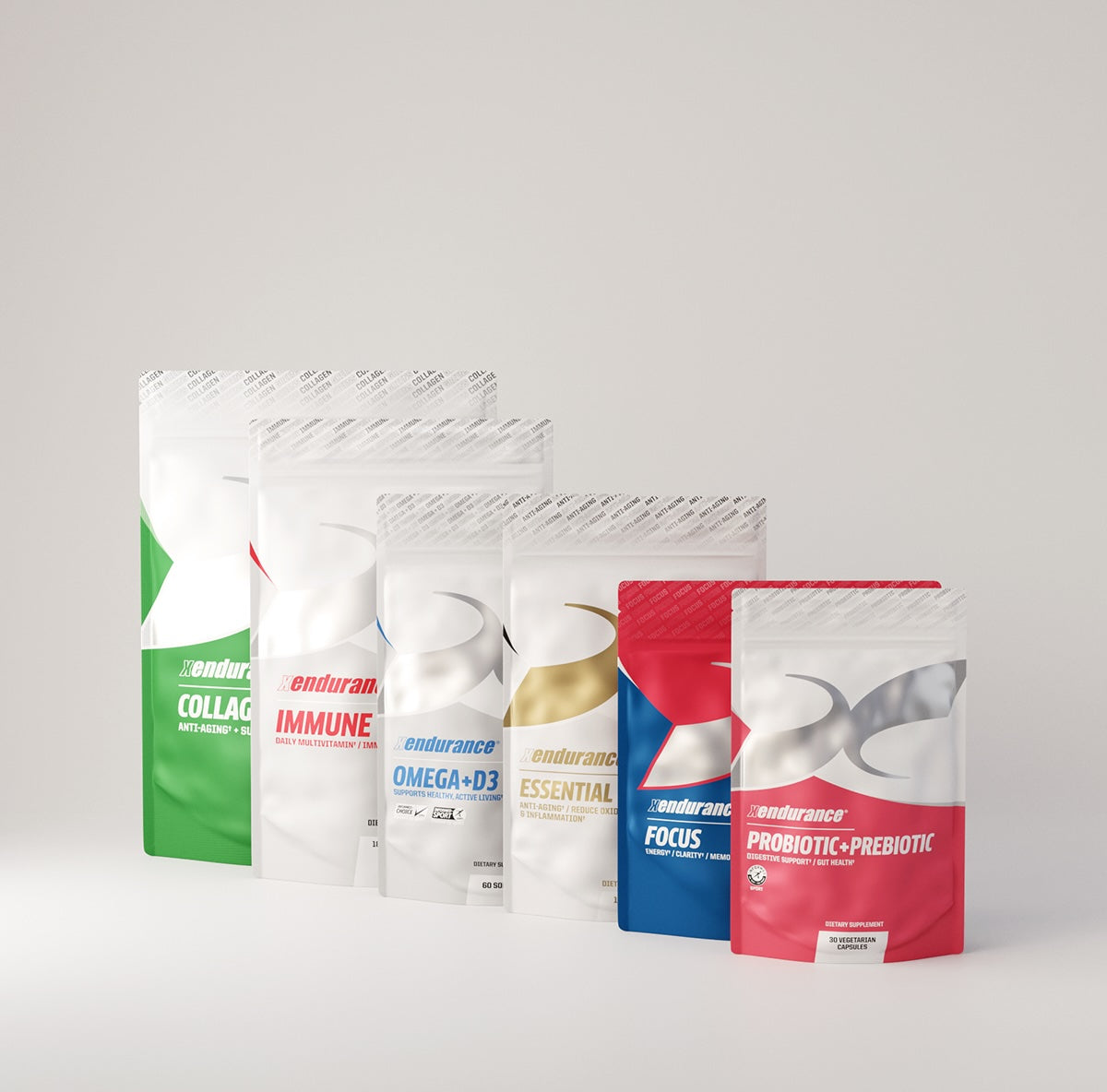
Layer in smart supplementation to fill gaps that even the best diets can have—especially during weight loss or when using GLP-1s. A high-quality protein like Xendurance Protein (a supergrade blend with over 70% whey hydrolysate plus whey isolate, micellar casein, and calcium caseinate) helps protect and build lean muscle mass while supporting faster absorption and recovery. Pair it with Omega+D3 by Xendurance, which delivers triglyceride-form EPA and DHA omega-3s along with 4,000 IU of vitamin D to support heart health, brain function, joint mobility, and reduced inflammation. For overall nutritional insurance and immune support, add Immune Boost by Xendurance, a comprehensive multivitamin packed with research-backed vitamins, minerals, antioxidants, and phytonutrients to nourish cells, strengthen immunity, and keep you feeling your best.
These aren’t magic pills—they support the lifestyle. Then build the full lifestyle program: strength training 3–4 times per week to preserve muscle, daily movement, quality sleep, stress management, and consistent habits around hydration and mindful eating. Track non-scale victories—energy levels, mood, strength gains, lab markers—not just the number on the scale.
This approach doesn’t promise 20 pounds in 30 days. It promises steady progress you can maintain for decades.
Breaking Free for Good
The dieting disadvantages—cyclical extremes, cravings, loss of control, short-term thinking, ignored body cues, and constant stress—aren’t character flaws. They’re predictable outcomes of an approach that treats food and your body as enemies rather than partners.
Whether you’re currently on a GLP-1, thinking about starting one, or just tired of the next diet launch, the invitation is the same: step off the hamster wheel. Invest in building a personalized lifestyle program. Focus on habits that enhance your life instead of shrinking it.
Your body isn’t broken. It doesn’t need another temporary fix. It needs consistent, compassionate care—nourishing food without rules, movement that feels good, rest that restores, and smart supplementation that supports you. That’s not a diet. That’s freedom.


Leave a comment
This site is protected by hCaptcha and the hCaptcha Privacy Policy and Terms of Service apply.