



Athletes who use intermittent fasting, time-restricted eating, or occasional longer fasts often ask a practical question: can I still take my usual supplements, or will capsules, pills, and calorie-free powders undo the benefits?
The short answer is that most standard capsules and pills are fine, and many zero-calorie powders (especially electrolytes and plain creatine) are not only compatible with fasting but useful for performance and recovery. The exceptions are clear and easy to spot once you understand what actually ends a fasted state.
What Actually “Breaks” a Fast
Fasting benefits depend on keeping caloric intake near zero and avoiding meaningful insulin responses. Carbohydrates and protein are the strongest triggers. Pure fat has calories and can technically interrupt a strict fast, though small amounts often preserve ketosis.
A typical vitamin or mineral tablet contains only a few calories from fillers such as cellulose, starch, or magnesium stearate—usually well under 5 kcal. That amount does not produce a meaningful rise in blood glucose or insulin for most people practicing intermittent fasting for metabolic health or body-composition goals. Gummies, chewables, liquids with sugar, and any product containing maltodextrin, dextrose, or added protein are different; those can interrupt the fast.
Fat-soluble vitamins (A, D, E, K) and fish oil softgels contain small amounts of oil and calories (often 5–15 kcal per capsule). They are better absorbed with a meal containing fat, so most athletes simply take them during their eating window.
Capsules and Pills: Generally Compatible
Plain multivitamin tablets, B-complex capsules, vitamin C, magnesium glycinate or citrate, and most single-mineral pills can be taken during a fasting window without meaningfully affecting the fast. Water-soluble vitamins and minerals add essentially zero calories and do not trigger insulin.
Stomach comfort is a separate issue. Iron, zinc, and some forms of magnesium can cause nausea on an empty stomach. Many athletes prefer to take these with their first meal. Fat-soluble nutrients are also absorbed better with food, so shifting them to the eating window is often optimal even if the calories themselves are negligible.
Medications follow the same logic: most standard tablets and capsules do not break a fast. Always follow medical advice for anything prescribed.
Zero-Calorie Powders That Support Fasting Athletes
Electrolytes are the most important category. When insulin drops during a fast, the kidneys excrete more sodium, and other electrolytes follow. Training multiplies the loss through sweat. Pure sodium, potassium, and magnesium powders or tablets with no sugar or caloric additives do not break a fast. Continuous glucose monitoring data and metabolic studies show negligible effects on insulin or glucose from unflavored mineral salts.
Athletes who train in the heat, do longer sessions, or follow protocols like 16:8 or Ramadan-style fasting frequently report fewer headaches, less light-headedness, and better session quality when they replace sodium (often 500–1,000+ mg) along with potassium and magnesium. Many endurance athletes simply add a pinch of salt or a dedicated zero-calorie electrolyte powder to water during the fasted window.
Creatine monohydrate is calorie-free and does not raise insulin on its own. A classic study in healthy men showed that 5 g of creatine alone produced no meaningful insulin response; the rise only appeared when large amounts of carbohydrate were added. Because creatine works by saturating muscle stores over days and weeks, timing is flexible. Many strength and hybrid athletes take their daily 3–5 g dose with water during the fasting window without issue. Those who experience stomach discomfort simply move the dose into the eating window.
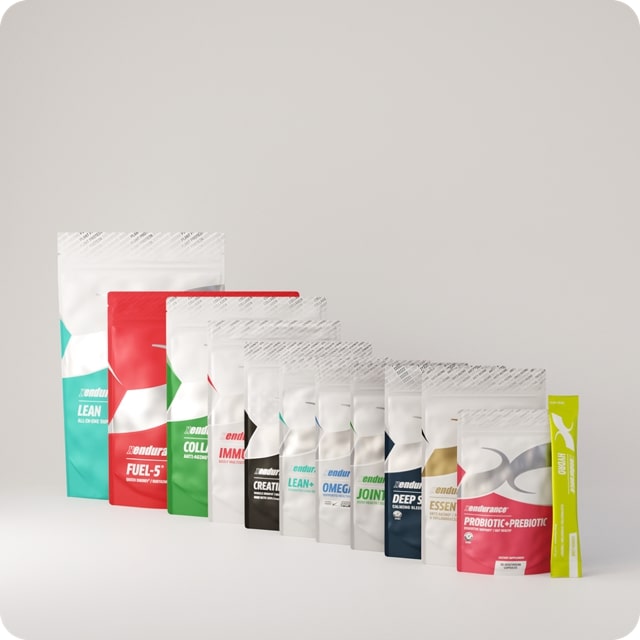
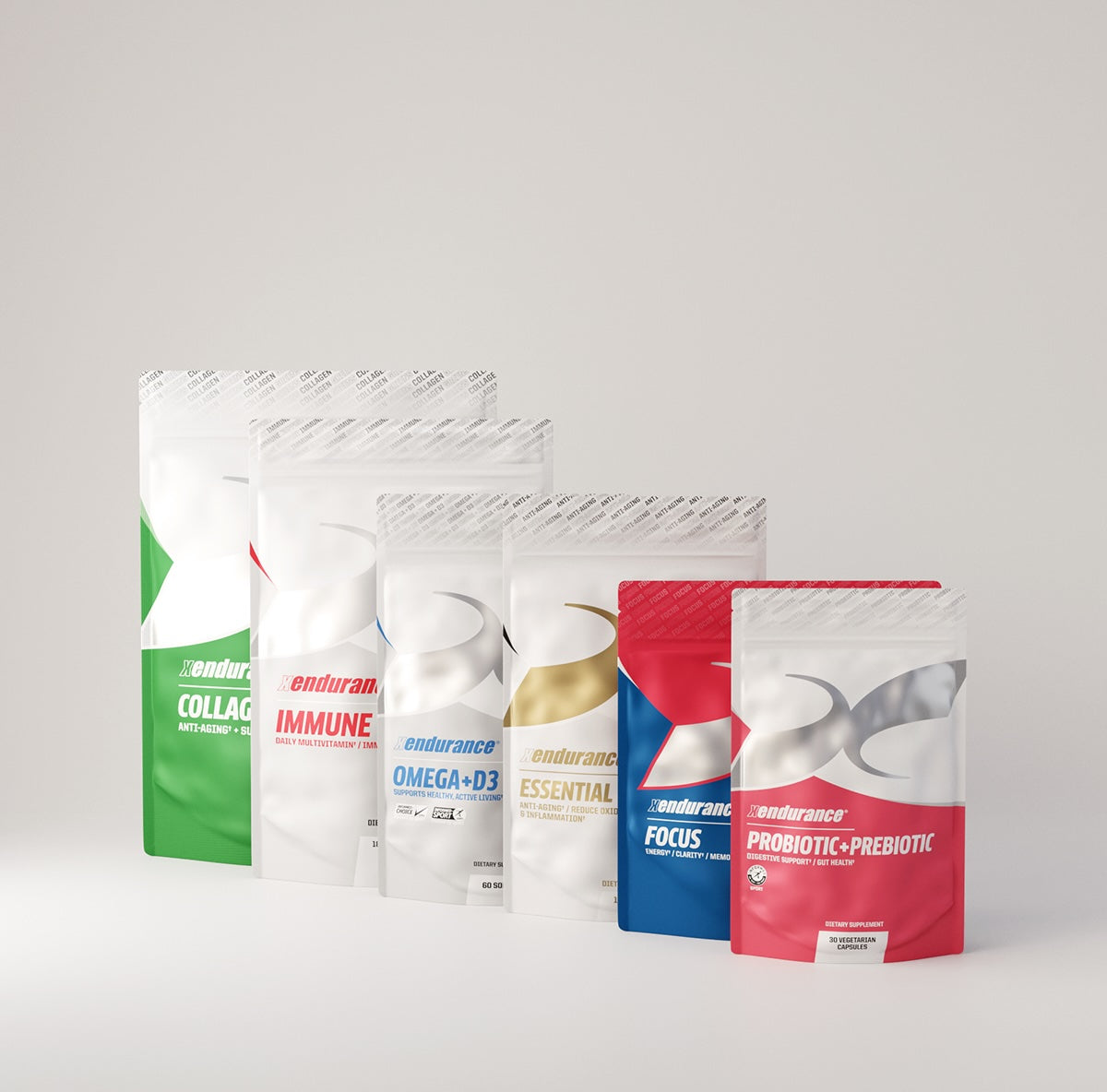
For athletes who want targeted support without adding meaningful calories or sugar to
a fasting window, Strength-5 from Xendurance is a practical option at just 8 calories
per serving with no sugar. Its blend of Peptistrong, essential amino acids, HMB,
L-glutamine, and electrolytes is designed to help support muscle protein synthesis, reduce breakdown, and maintain hydration during training—key concerns when eating windows are limited. Because it delivers these performance and recovery benefits in a low-calorie, sugar-free format, it fits more cleanly into intermittent fasting routines than traditional protein powders while still addressing the nutritional demands of hard training.
Caffeine in pure tablet or anhydrous form is also zero-calorie. It can support alertness and fat oxidation and is commonly used by athletes training fasted. Individual tolerance varies; some people find the effect stronger without food.
What to Avoid During the Fast
- Protein powders, collagen, BCAAs, and EAAs (these contain amino acids that can stimulate insulin and provide calories).
- Gummies, flavored drink mixes with sugar or maltodextrin, and most commercial pre-workouts.
- Fish oil or other oil-based softgels if you want a strict zero-calorie window (better taken with a meal anyway).
- Any powder that lists carbohydrates, protein, or significant calories on the label.
Athlete Examples and Real-World Context
Muslim athletes observing Ramadan provide some of the clearest real-world data. They fast from dawn to sunset (often 12–18 hours) while continuing to train and compete. Studies on professional footballers, endurance athletes, and team-sport players show that performance is often preserved when total daily energy, carbohydrate, protein, and fluid intake are maintained in the non-fasting window. Electrolyte replacement and adequate protein around iftar and suhoor are repeatedly emphasized. Creatine is commonly continued, taken with meals in the eating window. Performance decrements that do appear are more often linked to reduced sleep, dehydration, or total energy shortfalls than to the absence of daytime supplements.
Elite cyclists in a randomized trial of 16:8 time-restricted eating lost fat mass and improved power-to-weight without losing lean mass or impairing performance, provided training quality and overall nutrition were maintained. Strength athletes who continue creatine and prioritize protein in their eating window typically maintain strength and muscle even while fasting 16 hours daily.
Endurance athletes who use occasional fasted easy sessions (Zone 1–2) for metabolic adaptation frequently take electrolytes and caffeine during the fast and reserve carbohydrate gels or real-food fuel for harder or longer sessions. The key is matching the tool to the session rather than treating fasting as an all-or-nothing rule.
Practical Recommendations for Athletes
- Prioritize electrolytes if you train while fasted, especially in heat or for sessions longer than about 60 minutes. Choose unflavored or zero-calorie formulas.
- Creatine is fine during the fasting window for most people. Consistency matters more than exact timing.
- Take fat-soluble vitamins and fish oil with a meal that contains fat.
- Shift anything that causes stomach upset to the eating window.
- Read labels. “Zero sugar” is not the same as zero calories or zero insulin impact. Avoid maltodextrin, dextrose, and protein.
- Match the approach to your goal. For standard intermittent fasting aimed at body composition or metabolic health, plain capsules, pills, electrolytes, and creatine are compatible. For a strict water-only or autophagy-focused fast, keep the window as clean as possible and move supplements to the eating period.
- Protect total daily nutrition. The biggest risk for athletes is under-eating protein, total energy, or micronutrients across the day—not the occasional zero-calorie capsule.
Fasting and supplementation are not mutually exclusive. For most athletes, the highest-leverage supplements (electrolytes for training quality and recovery, creatine for strength and power) can be used without sacrificing the benefits of the fast. The practical rule is simple: if it contains meaningful calories, protein, or sugar, save it for your eating window. Everything else can usually stay on your usual schedule.
Always consider individual tolerance, training demands, and medical advice. What works cleanly for one athlete’s 16:8 routine may need adjustment for someone doing longer fasts or training in extreme conditions.

Leave a comment
This site is protected by hCaptcha and the hCaptcha Privacy Policy and Terms of Service apply.