




Imagine this: You’ve trained for months—nailed your 1km splits, perfected your sled-push technique, and dialed in wall-ball pacing. Race day in Berlin (or London, or Miami) is finally here. But after a red-eye from Phoenix, you’re foggy, your legs feel heavy, and that first station feels like it’s underwater. Your PR slips away by minutes. Sound familiar?
Hyrox is exploding worldwide. With 80+ events across continents in 2025–2026 and the World Championships drawing athletes from everywhere, travel is now part of the game. Whether you’re flying domestically for a U.S. stop or crossing oceans for an international qualifier, the science is clear: jet lag, travel fatigue, disrupted sleep, dehydration, and performance dips are real—and they hit hybrid athletes hard.
Sports science and training communities are flooded with searches for practical advice because these issues don’t just make you tired—they steal power, endurance, grip strength, and mental edge in an event that demands all of them, back-to-back, for 60–90+ minutes. The good news? You can prepare like a pro and turn travel from a performance killer into a non-factor. Here’s your complete playbook.
Why Travel Crushes Hyrox Performance (And Why It Matters for You)
Hyrox isn’t a pure endurance run or a strength meet—it’s a brutal mix of 8km running and eight high-intensity stations (ski erg, sled push/pull, burpee broad jumps, rowing, farmers carry, sandbag lunges, wall balls, and more). Every element relies on aerobic capacity, anaerobic power, grip, coordination, and mental resilience.
Travel fatigue (the physical/mental grind of airports, sitting, and disrupted routines) hits even on short flights. Studies on athletes show it spikes perceived fatigue and drops mood/motivation without always tanking objective metrics like jump height—yet in Hyrox, that “off” feeling can mean slower transitions and early burnout.
Jet lag (circadian rhythm chaos from crossing time zones) is worse. Eastbound travel is tougher because it shortens your day; westward feels easier but still disrupts sleep. Symptoms—poor sleep quality, GI upset, reduced alertness—can linger 3–7+ days. One day per time zone crossed is a rough rule of thumb for adaptation (half a day westward).
Real-world impact on Hyrox:
- Performance dips: Reduced anaerobic power and muscle strength (sleds, wall balls) plus slower reaction times (burpees, transitions). Endurance suffers too—your 1km runs feel heavier.
- Disrupted sleep: The #1 performance robber. Less deep sleep = poorer recovery, higher perceived effort, and increased injury risk.
- Dehydration: Cabin air is bone-dry. Even mild fluid loss tanks strength and raises core temperature during stations.
- Other hidden costs: Higher illness risk from crowds, stiffness from sitting, and mental fog that kills race strategy.
Elite athletes in similar hybrid events (think CrossFit Games) report these exact struggles. But with smart prep, many turn in personal bests anyway. You can too.
Pre-Travel Mastery: Build Your Buffer (7–14 Days Out)
Start early—don’t wait until the airport.
- Shift your body clock gradually. Begin adjusting sleep and meals toward destination time 3–7 days before. Eastbound? Go to bed 30–60 minutes earlier each night. Westbound? Stay up later. Use light exposure strategically at home to reinforce it (bright morning light for east travel).
- Taper smartly. Cut volume 40–60% in the final 4–5 days but keep intensity with short, sharp Hyrox-specific sessions (e.g., 4-station mini-sim). Do these at your new “race time” if possible. Arrive with fresh legs, not fried ones. Many Hyrox vets recommend one last light simulator 48 hours before flying.
- Load up on hydration and nutrition baseline. Drink 4–5 liters of water daily at home with electrolytes, using Xendurance Hydro electrolyte drink. Carb-load with familiar foods so your gut is happy on race day. Pack your own snacks—energy gels, bars, porridge packets—to avoid airport junk.
- Choose flights wisely. Book direct if possible. Aim to arrive 48–72 hours early for international events (24 hours minimum for domestic). Morning arrivals help you sync faster.
Pro tip: Download a jet-lag app (like Timeshifter) that creates a personalized plan based on your flight and event time.
In-Flight Survival: Hydrate, Move, Protect Sleep
Your plane is ground zero for travel fatigue.
- Hydration math: Aim for 8–10 oz of water per hour of flight. Skip alcohol and limit caffeine—they dehydrate and wreck sleep. Bring an empty bottle and electrolyte tabs/powder.
- Move every hour: Walk the aisle, do seated calf raises, ankle circles, and shoulder rolls. Compression socks help circulation and reduce swelling.
- Sleep smart: If it’s nighttime at your destination, use eye mask, earplugs, neck pillow, and melatonin (3–5 mg) if your doctor okays it. Noise-canceling headphones with white noise are gold.
- Nutrition: Bring familiar, easy-to-digest carbs and protein, such as Xendurance Protein. Avoid heavy or spicy meals that could trigger GI chaos.
Post-Arrival Reset: Adapt Fast and Train Smart (Days 1–3)
You’ve landed—now flip the switch.
Light exposure is your superpower. For eastbound travel, get bright morning light and avoid afternoon/evening light. Westbound? Seek afternoon/evening light. Outdoor time or a light-therapy box works wonders. Align meals and training to local time immediately.
Sleep hygiene rules:
- Dark, cool, quiet hotel room (blackout curtains, white-noise app).
- Short naps (20–30 min) only if desperately needed—don’t nap late.
- Consistent bedtime routine, even if you feel wired.
Training days 1–3: Keep sessions light and short. Focus on technique, mobility, and easy runs at race pace. No hero workouts—your body is still adapting. Use the hotel gym treadmill for a quick Hyrox simulator if needed.
Hydration & recovery:
- Weigh yourself morning and night; replace every pound lost with 16–24 oz fluid.
- Foam roll, stretch, or use a travel roller/lacrosse ball for tight hips and calves (critical after flights and for Hyrox stations).
Dehydration fix: Sip electrolytes all day—300–1000 mg sodium per liter of fluid to match sweat loss.
Nutrition, Mental Game & Bonus Hacks Every Competitor Needs
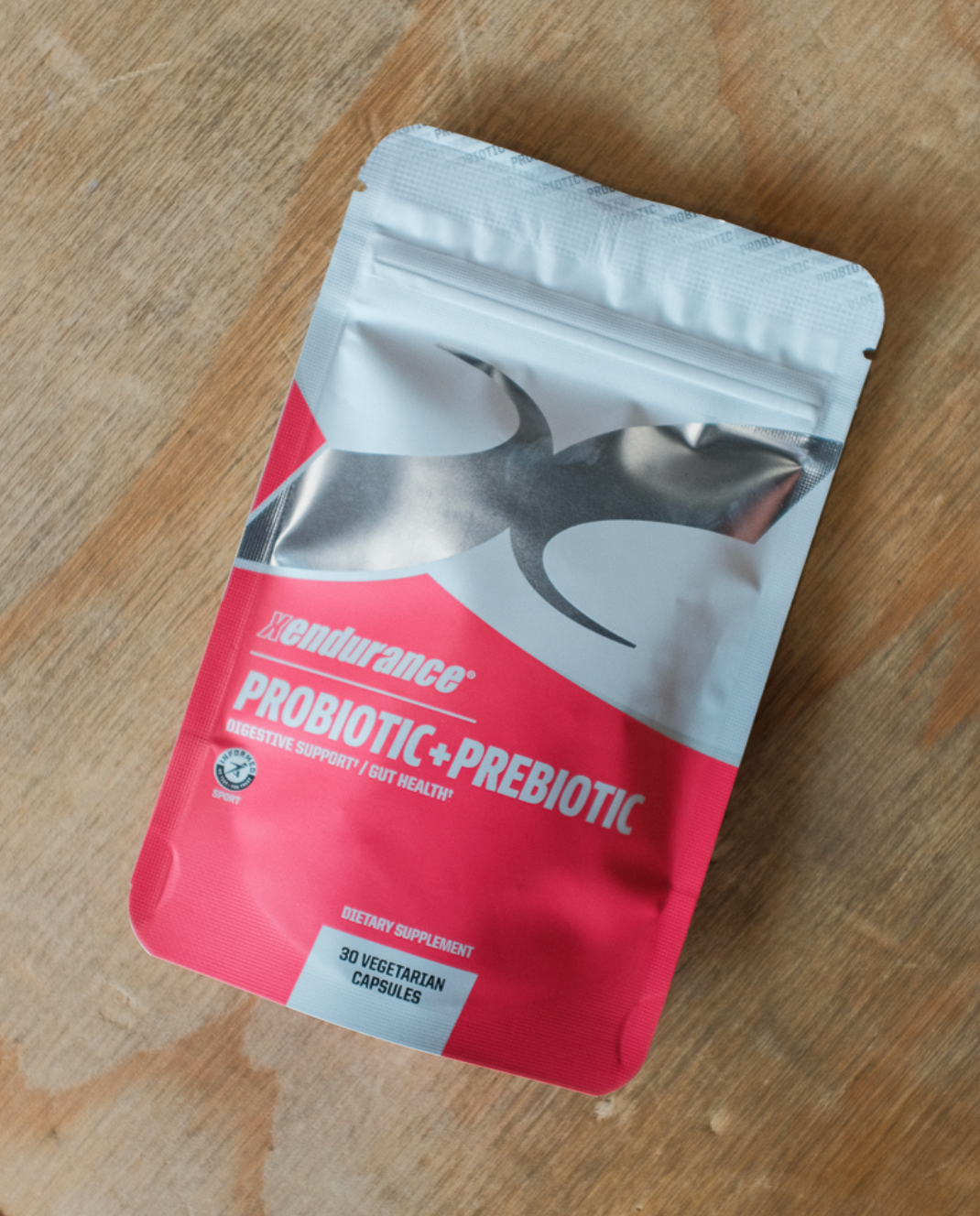
- Fuel like a pro: Stick to tried-and-true race-day meals (oats, banana, coffee 2–3 hours pre-start). During travel, prioritize anti-inflammatory foods (berries, salmon, turmeric) and probiotics such as the Xendurance Probiotic+Prebiotic to protect immunity.
- Mental edge: Visualize your race in the new time zone. Use breathing apps or gratitude journaling to combat travel stress. Pack a small “lucky” item or playlist that triggers your race mindset.
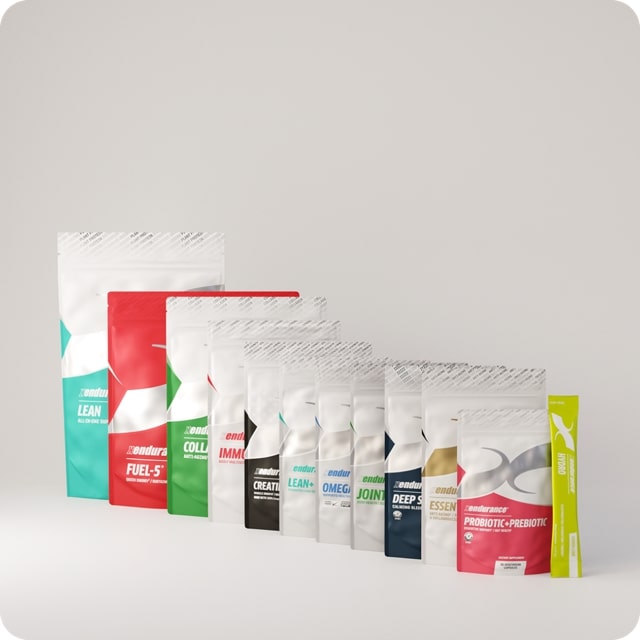
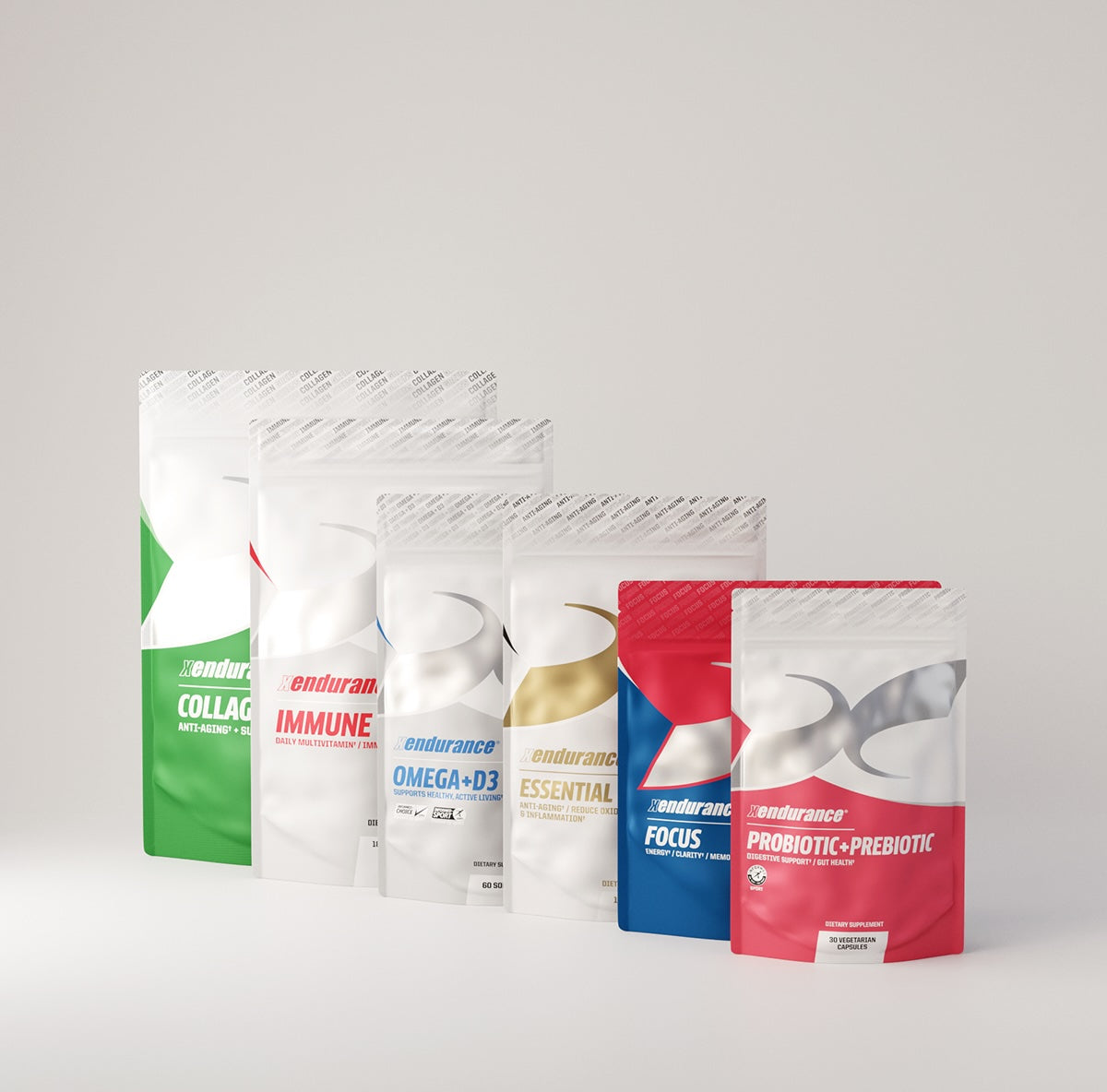
- Illness prevention: Sanitize hands, avoid touching your face, and consider a travel immune booster (zinc, vitamin C) if you’re prone to getting sick. Xendurance’s multivitamin, Immune Boost, is used by some of the world’s best to promote wellness while traveling.
- Monitor yourself: Track resting heart rate or use a simple perceived exertion scale. If it’s elevated, ease off.
Hyrox-specific packing checklist (race-day bag + travel):
- Race kit (bib, chip, shoes—break them in!)
- 2–3 pairs of socks + anti-chafe balm
- Electrolytes, gels, familiar pre-race fuel
- Foam roller/lacrosse ball + resistance bands
- Eye mask, earplugs, compression socks
- Recovery clothes, flip-flops, body wipes
- Passport/visa/docs (international), hotel confirmation near venue
- Lacrosse ball for self-myofascial release
Final Lap: Turn Travel Into Your Competitive Edge
Travel doesn’t have to steal your Hyrox potential. With these strategies—rooted in sports science consensus on jet lag and fatigue management—you’ll show up recovered, hydrated, and mentally locked in.
Plan meticulously, test what works in training camps or smaller races, and treat travel days as part of your performance protocol. The athletes who podium aren’t always the fittest—they’re the best prepared.
Next time you toe the line after a long haul, you’ll feel the difference: legs fresh, mind clear, ready to crush those stations and chase that personal best.
Safe travels, faster times, and see you at the finish line!

Leave a comment
This site is protected by hCaptcha and the hCaptcha Privacy Policy and Terms of Service apply.