





We all know chronological age ticks forward relentlessly—one year, two years, a decade at a time. But inside our cells, the story is more complex. Biological aging, the wear and tear at the molecular level, doesn’t always match the number on our driver’s license. Some 70-year-olds feel and function like they’re 55; others seem to accelerate toward frailty far too soon. For decades, scientists have searched for ways to nudge that internal clock. Now, a landmark randomized clinical trial offers compelling evidence: a simple daily multivitamin may slow biological aging by roughly four months over just two years.
The findings, published March 9, 2026, in Nature Medicine, come from the well-known COcoa Supplement and Multivitamin Outcomes Study (COSMOS), led by researchers at Mass General Brigham in Boston. This isn’t hype or a small observational snapshot. It’s a prespecified analysis of a large, rigorous trial involving nearly 1,000 healthy older adults. The implications are exciting for anyone who wants to age well—not just longer, but better.
Understanding Biological Aging: Beyond the Calendar
Before diving into the results, let’s clarify what “biological aging” actually means. Chronological age is simple: the years since birth. Biological age reflects how fast our bodies are deteriorating at the cellular level. Scientists measure it through epigenetic clocks—sophisticated biomarkers based on DNA methylation patterns. These are chemical tags on DNA that control gene expression and change predictably with age.
The study examined five established clocks:
- First-generation clocks (PCHannum and PCHorvath), which track basic aging signals.
- Second-generation clocks (PCPhenoAge and PCGrimAge), which better predict mortality risk and healthspan.
- DunedinPACE, which estimates the pace of aging.
These clocks analyze blood samples to estimate how many “years” your biology has advanced compared to your actual age. Accelerated biological aging correlates with higher risks of chronic diseases like heart disease, cancer, cognitive decline, and frailty. Slowing these clocks even modestly could translate to healthier, more vibrant years.
The COSMOS Trial: Gold-Standard Design
COSMOS was already one of the largest and most robust trials on supplements. The parent study tested cocoa extract and a multivitamin-multimineral supplement for effects on cardiovascular health, cognition, and other outcomes. For this epigenetic aging analysis, researchers pulled blood samples from 958 randomly selected participants—482 women and 476 men—with an average chronological age of 70.
The trial used a 2×2 factorial, double-blind, placebo-controlled design. Participants were divided into four groups:
- Daily multivitamin + cocoa extract (500 mg cocoa flavanols, including 80 mg (−)-epicatechin).
- Cocoa extract + placebo multivitamin.
- Multivitamin + placebo cocoa.
- Double placebo.
Supplements were taken every day for two years. Blood was analyzed at baseline, year 1, and year 2 for changes in the five epigenetic clocks. This setup allowed researchers to isolate the effects of the multivitamin, the cocoa, and their combination—eliminating bias and confounding factors that plague many nutrition studies.
The Results: Four Months of Slowed Aging
The headline finding is clear and statistically significant: daily multivitamin supplementation modestly slowed the rate of biological aging.
Compared to the placebo-only group, the multivitamin group showed:
- A reduction in the yearly increase of PCGrimAge by 0.113 years (95% CI: −0.205 to −0.020; P = 0.017). That’s roughly 1.4 months per year.
- A reduction in PCPhenoAge by 0.214 years (95% CI: −0.410 to −0.019; P = 0.032). Roughly 2.6 months per year.
Combined across the second-generation clocks, this equates to about four months less biological aging over the two-year trial period. Slowing was observed across all five clocks, though only the mortality-predictive ones reached statistical significance.
Even more compelling: the benefits were amplified for people who started the trial with accelerated biological aging. For PCGrimAge, those with faster baseline aging saw a 0.236-year slowdown per year—more than twice the average effect—while those with normal or decelerated aging showed almost no change (interaction P = 0.018). In other words, the multivitamin appeared to help those who needed it most.
Cocoa extract, by contrast, had zero detectable effect on any of the clocks. The multivitamin drove the benefit entirely.
Senior author Dr. Howard Sesso, associate director of the Division of Preventive Medicine at Mass General Brigham, put it succinctly: “There is a lot of interest today in identifying ways to not just live longer, but to live better. It was exciting to see the benefits of a multivitamin linked with markers of biological aging. This study opens the door to learning more about accessible, safe interventions that contribute to healthier, higher-quality aging.”
Why Might a Multivitamin Slow the Clock?
Multivitamins aren’t magic, but they address a very real issue: suboptimal nutrient status is common in older adults, even in developed countries. Deficiencies or marginal intakes of vitamins (B12, D, folate) and minerals (zinc, magnesium, selenium) can impair DNA repair, increase oxidative stress, and disrupt methylation processes—the very mechanisms epigenetic clocks track.
The supplement used in COSMOS provided a broad spectrum of these nutrients at levels designed for adults 50+. By filling nutritional gaps, the supplement may reduce cellular damage and support the epigenetic machinery that keeps our biological age in check. Co-author Dr. Yanbin Dong noted plans for follow-up to see if these effects persist beyond the trial and link to real-world outcomes like reduced cancer risk or better cognition—outcomes already hinted at in earlier COSMOS analyses.
Limitations and Realistic Expectations
This is groundbreaking because it’s the first large-scale randomized trial to show a supplement directly affecting epigenetic clocks. But the effect size is modest—four months over two years isn’t reversing aging. The changes were statistically significant yet small, and researchers emphasize that more work is needed to confirm clinical relevance. Do these clock shifts actually translate to fewer diseases or longer healthspan? The COSMOS team is already investigating that.
Other caveats: participants were generally healthy, well-nourished older adults. Results might differ in frailer populations or those with clear deficiencies. The trial lasted only two years; longer-term data would be ideal. And while DNA methylation is a powerful proxy, it’s not the only measure of aging.
Still, the randomized, placebo-controlled design and large sample size give these findings far more weight than observational studies that previously linked multivitamins to better health.
A Premium Option: Xendurance Immune Boost
The COSMOS study used Centrum Silver, a standard over-the-counter multivitamin. But today’s consumers have access to higher-quality formulations that build on the same principle—comprehensive nutrient support—while adding modern enhancements for absorption and targeted benefits.
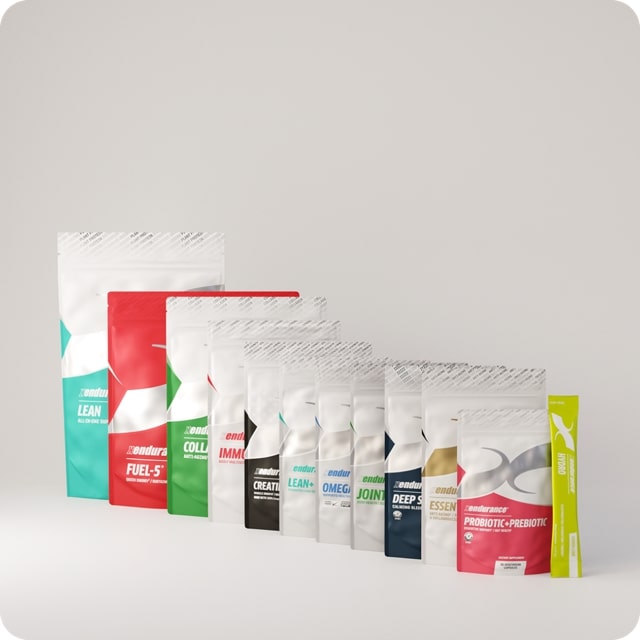
One standout example is Xendurance Immune Boost, a full-spectrum multivitamin-mineral supplement crafted specifically for immune resilience and healthy aging. It delivers research-supported doses of essential vitamins and chelated minerals to nourish cells, tissues, and organs. Beyond basic nutrients, it includes over 25 powerful antioxidants and phytonutrients (such as acai fruit, broccoli sprout, and curcumin) plus BioPerine® for superior absorption and Nrf2 activation to combat oxidative stress.
Xendurance Immune Boost also features clinically dosed lutein and zeaxanthin to protect eyes from blue light and supports bone, cardiovascular, and anti-aging health. Users describe it as an “insurance policy” for overall wellness—precisely the kind of accessible, daily intervention the COSMOS results highlight.
For athletes, active seniors, or anyone prioritizing cellular protection, it offers a premium way to mirror the trial’s multivitamin benefits while adding extra layers of antioxidant defense and immune fortification.
Of course, no supplement replaces a balanced diet, exercise, sleep, or medical advice. Always consult your doctor before starting, especially if you have health conditions or take medications.
Looking Ahead: A New Chapter in Healthy Aging
The COSMOS epigenetic analysis doesn’t claim a fountain of youth. But it does suggest that something as straightforward and affordable as a daily multivitamin could meaningfully slow the cellular clock—particularly for those already aging faster than their years. In an era obsessed with expensive biohacks and longevity clinics, this feels refreshingly democratic.
As Dr. Sesso noted, many people take multivitamins without knowing their potential benefits. Now we have randomized evidence linking them to slower biological aging. Future studies will explore whether these clock changes explain the cognitive, cancer, and vision benefits seen elsewhere in COSMOS.
For now, the message is hopeful: aging can’t be stopped, but its pace might be gently dialed back. A daily pill—whether the one tested in the trial or a comprehensive formula like Xendurance Immune Boost—could be part of a practical strategy for healthier, higher-quality years ahead.
In the end, four months might not sound like much. But over a lifetime of consistent use, compounded with good habits, those months add up to more time feeling vibrant, independent, and engaged with the world. Science is finally catching up to what many have long suspected: small daily choices can shift the trajectory of how we age.



Leave a comment
This site is protected by hCaptcha and the hCaptcha Privacy Policy and Terms of Service apply.